
Florida's Wetland Park Near Orlando Is A Scenic Spot To Hike, Blending Natural Habitats With A Smart Design
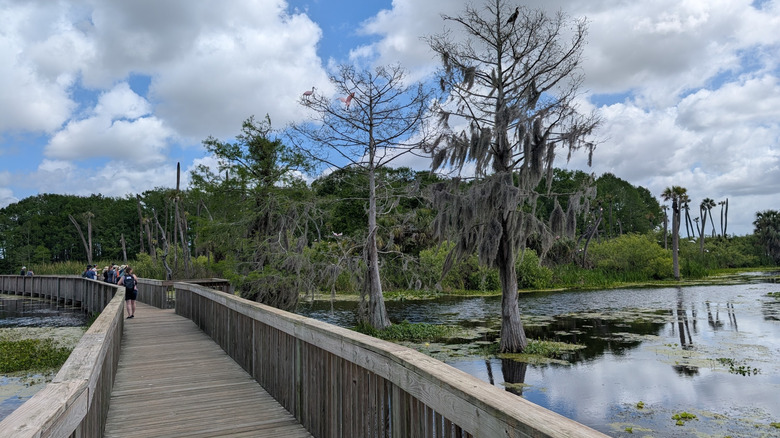
Florida is home to vast conservation lands and preserved wildlife habitats, though not all of them are managed with human access in mind. However, one wetland area in Central Florida stands out for its multi-functionality and visitor access. Just 50 miles northeast of Disney's Magic Kingdom, the Orlando Wetlands comprises 1,650 acres of marshland and swamp laced with miles of tranquil hiking, biking, and equestrian trails. It's known for its photography opportunities and is on the Great Florida Birding and Wildlife Trail, where hundreds of bird species and plentiful wildlife thrive. Free public tram tours on Fridays and Saturdays allow visitors to get guided glimpses of the water treatment and wildlife, and with 4.9 stars across nearly 1,400 Google reviews, it's easy to see why the park's such a popular spot.
But Orlando Wetlands is more than a scenic place to picnic — it's also an important water treatment facility. In the 1970s, as cities sought to comply with the Environmental Protection Agency's clean water mandates, the City of Orlando built a water reclamation facility called Iron Bridge. A few years later, the city purchased 1,650 acres of a nearby former dairy farm that had once been wet prairie, building levees and berms to simulate wetlands. The artificially engineered area added 2 million plants during its development, including 200,000 trees.
Along with hydraulic capabilities able to receive up to 35 millions of gallons of water per day, this nature-based design was considered incredible innovative for its time and is estimated to have reduced significant costs for wastewater treatment. The Orlando Wetlands filters reclaimed wastewater pre-treated at Iron Bridge through the foliage, balancing the nutrients and fertilizing the natural habitats while preventing toxic algae blooms in the St. Johns River. Today, other communities have adopted artificial wasteland simulations in wastewater management.
Hike miles of trails and watch part of the water reclamation cycle
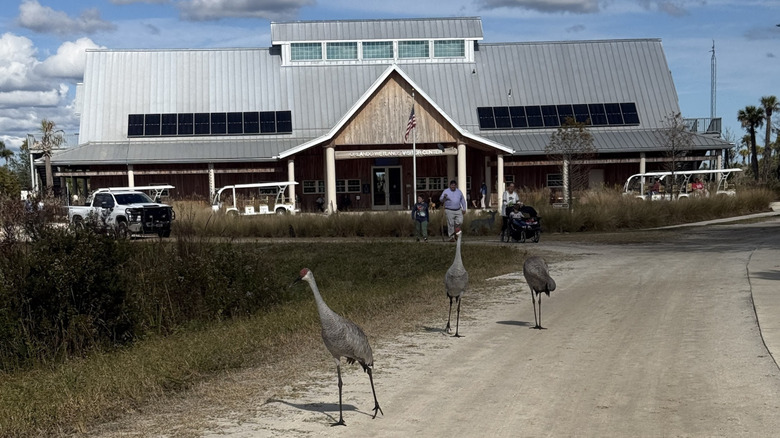
The inflow structure is about 1 mile west of the wetlands parking lot, next to an observation deck where visitors can check out the first stage of the water treatment system, called a "boil." Here, an average of 14 to 16 million gallons of reclaimed water is dispersed into the wetlands' deep marshes per day, removing toxins like nitrogen and phosphorus before flowing into the St. Johns River, a journey that can take 30 to 45 days. Stop by the visitors center, which features educational, interactive exhibits, taxidermy displays, and a gift shop, along with trail maps and information about the area.
About 18 miles of trails wind through the Orlando Wetlands' open marshes, some of which connect to the Florida National Scenic Trail and the Seminole Ranch Conservation Area, a thriving wildlife habitat with trails and primitive campsites. The Orlando Wetlands Loop Trail is a flagship path, a nearly 4-mile gravel loop (a favorite for birders). From the visitors center, hikers can access several trailheads, like the 2-mile Birding Loop trail and the 3.7-mile Lake Searcy Loop, as well as the Cypress Boardwalk Trail, an elevated wooden path extending nearly 0.5 miles over water. It's wide enough for a stroller (though bicycles must be walked across) and features benches and viewpoints. From the boardwalk, check out the cypress domes growing from the marsh as well as birds, turtles, fish, and alligators.
Keep in mind that the wetlands aren't shaded, so bringing water, sunscreen, and hats is recommended. There are a few chickees (thatched rain huts) throughout some of the more remote trails. Reviewers also note that the trails are well-marked and well-maintained. Non-motorized bicycling is permitted on the wide, packed dirt-and-gravel berm roads, and fat tire biking is common.
Flora and fauna abound in the wetlands
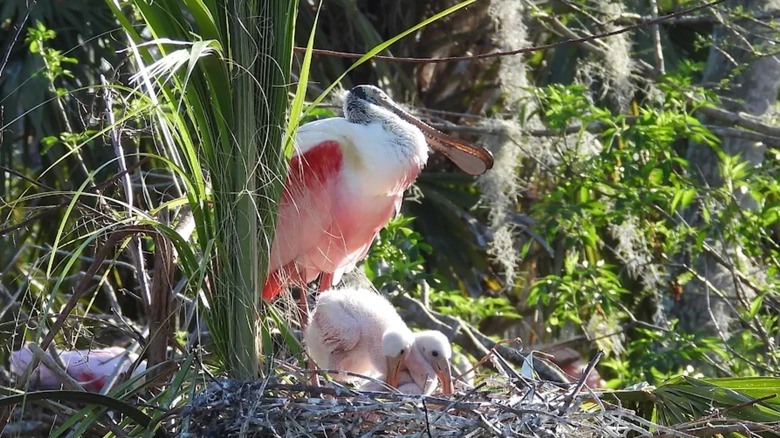
More than 220 species of birds have been observed among the wetlands, including threatened roseate spoonbills, great blue herons, wood storks, purple gallinules, limpkins, and bald eagles. "The wildlife is incredible — birds, alligators, and beautiful natural landscapes everywhere you look," writes one Google reviewer. "Sunrise here is absolutely magical, with soft light reflecting over the water." A range of wildlife from turtles, pig frogs, and otters to butterflies, bobcats, and 13 protected species live here, and you'll want to keep an eye out for alligators. They've been frequently spotted around and on the trails, but they won't disturb you if left alone. Alligator Alley is a mile-long scenic trail filled with alligators, along with cabbage palms and a wading bird marsh, where you can spot a diversity of herons and other wildlife. The wetlands also feature a bat habitat, where bats help keep the mosquitoes at a minimum.
Expect to see classic marsh and aquatic plants throughout the wetlands, including cattails, floating duckweed, and American lotus, as well as swamp flowers like purple hyacinths and rosemallows. Hammocks of hardwood cypress, along with water hickory trees, ash trees, and plenty of palms, are abundant.
Orlando Wetlands is free to enter and best accessed by car, with close proximity to Orlando International Airport (MCO), just 30 miles away. The wetlands are located in Christmas, Florida, a holiday-themed town with frontier history and home to the "world's largest gator," which is worth visiting on your Orlando Wetlands day trip itinerary. If you want to see more Florida wildlife, just 20 miles west of the wetlands is Titusville, a coastal city with rocket launches and turtle nesting beaches.