
Japan's Underrated City On The Coast Is An Asian Escape With Gorgeous Mountains, Hot Springs, And Seafood
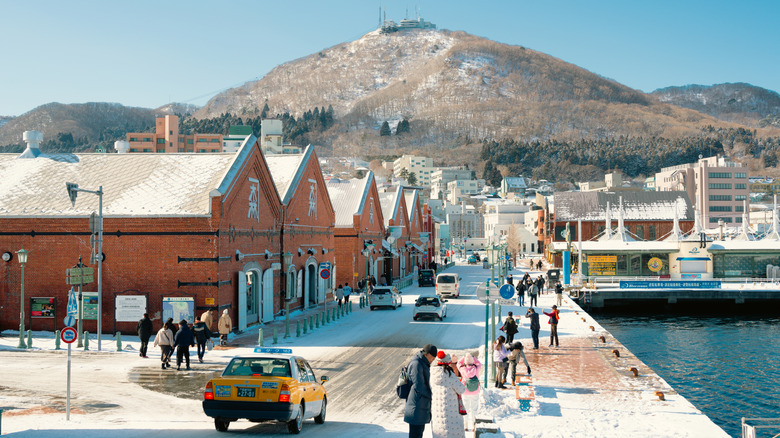
Japan is so hot right now. Travelers can't get enough of the island nation, so much so that the tourism board and tour agencies have launched campaigns to encourage people to visit less popular destinations beyond the big three — Tokyo, Kyoto, and Osaka — which are absolutely heaving. Enter Hakodate, Hokkaido's third-largest city, generally overlooked by Western tourists who tend to head to Sapporo, the capital of the prefecture. A sweeping coastal metropolis located at the southern tip of Japan's northern island, Hakodate is wildly underrated, packed with interesting history, Indigenous culture, coastal charm, and natural wonder.
Hakodate was one of Japan's first ports to open to the world for international trade in the 19th century, and that global influence is still very visible today, particularly in the architecture of the Motomachi district, where distinctly Western-style houses, churches, and merchant buildings sit. Kanemori Red Brick Warehouse is another example; now converted into cool shops, cafes, and restaurants, it's a great place to spend an afternoon by the waterfront, sampling the delectable seafood. Visiting Hokkaido also gives an opportunity to learn about the Ainu, Indigenous communities who first lived on the island. There's a renaissance of their culture and language in Hokkaido, and Hakodate City Museum of Northern Peoples is a great place to start.
Aside from the history and architecture, one of Hakodate's biggest draws is the view from Mount Hakodate, ranked as one of Japan's best night vistas. The city's hot spring neighborhood, Yunokawa Onsen, also boasts an impressive array of bathing spots. It's easy to reach, as Hakodate is pretty compact and easy to explore by tram or on foot. The city is also easy to get to, connected to Tokyo by a four-hour-long Shinkansen ride, making it an excellent base for discovering southern Hokkaido. And being so easy to navigate, this part of Japan is the ultimate destination for solo travelers.
Mountain views and hot spring baths in Hakodate
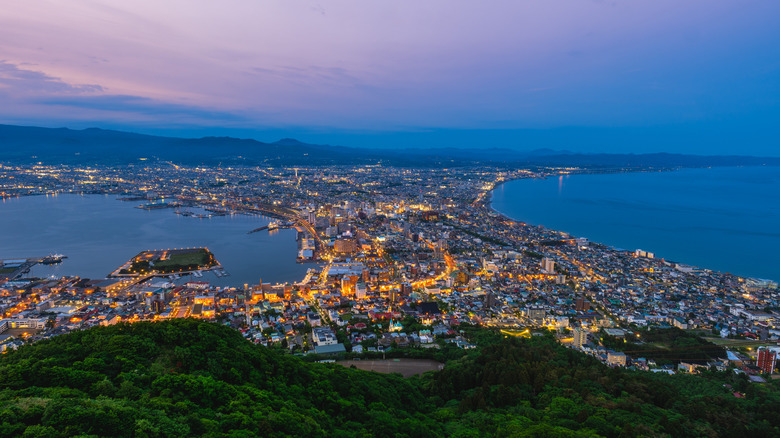
Hokkaido is an island packed with stunning nature trails with unique landscapes. And thanks to coastal Hakodate's location, its mountains have knockout views. Rising 1,096 feet above the city, Mount Hakodate's summit is easy to explore, as you can hop on the Mount Hakodate Ropeway from the Motomachi neighborhood or take the bus up from Hakodate JR Station, which takes around 30 minutes. Or, if you're in for a hike, it's an hour-long trek up the trail, which starts at Hakodate Fureai Center. The views across Hakodate's narrow peninsula are worth the trip – taking in the sprawling city surrounded by sea is especially picturesque around sunset and after dark as the lights below twinkle.
After a day of sightseeing or hiking, head to an onsen, a pool full of thermal hot spring water. The main hot spring zone is Yunokawa Onsen, around 30 minutes from central Hakodate by tram or under 10 minutes by car from Hakodate Airport. It is one of Hokkaido's longest-serving hot spring resorts, opening in 1653, and today has over 20 onsen found within both traditional ryokan and modern hotels, with indoor and outdoor baths. Some baths overlook the sea like those at Imagine Hotel and Heiseikan Kaiyotei, and many hotels also welcome day visitors, so you do not need to stay overnight to enjoy the hot springs (you can find day-use facilities and make bookings via the Yunobura website). If a traditional bath is a little intimidating, the area has free outdoor foot baths to soak your toes in, or you can head to the Hakodate Tropical Botanical Garden to watch the cute macaques enjoying the hot springs. There's only a handful of places in the country to see these snow monkeys soak, including Kamikochi in the Japanese Alps.
Chowing down on Hakodate's seafood delights
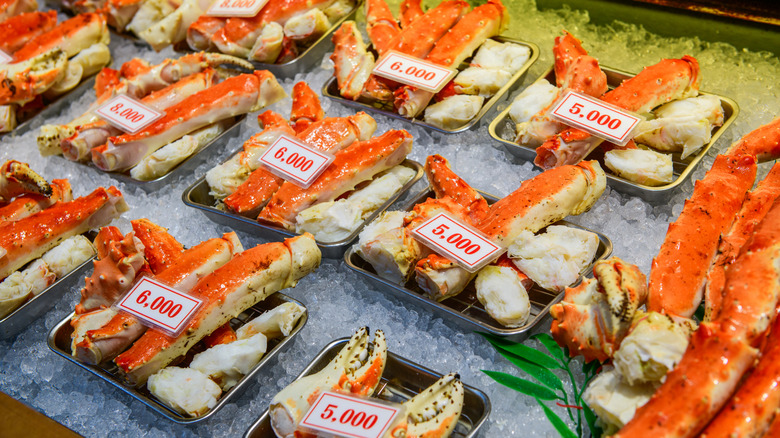
No prizes for guessing how impeccable the seafood is in Hakodate — the coastal location is a dead giveaway. Sample the local catch at the Hakodate Morning Market, a fun place full of the hustle and bustle you'd expect from a busy Japanese fish market. There are more than 250 stalls, seafood shops, and restaurants to graze your way around, so prepare to spend a full morning here. And, handily, it's just a two-minute walk from Hakodate Station.
The city is particularly good for squid, or ika, which is often served fresh from the tank. Be prepared for your caught ika to wiggle as you dip it in sauce! Local dish ika somen is raw squid sliced into thin strips and served with soy sauce (it's the soy that makes it wiggle — don't say we didn't warn you). If writhing squid isn't for you, try kaisen-don, a rice bowl topped with seafood like tuna, shrimp, and crab. Every bowl is slightly different depending on the catch of the day.
One of the market's best pit stops is Donburi Yokocho Market, an avenue of little restaurants. Other solid choices on the block include Kikuyo Shokudo, lauded by past diners for its fresh kaisen-don, and Ajino Ichiban, which makes different types of ramen, served with three colors of rice and your choice of seafood. Fish restaurants can be found all over this city, so be sure to come with a big appetite.