
10 Japanese Ramen Dining Rules American Tourists Break Within The First 10 Minutes
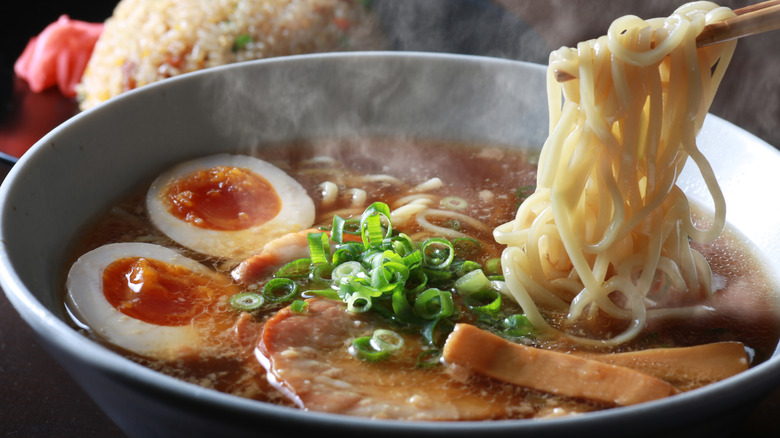
Ramen's popularity has expanded far beyond Asia's borders over the past century. In 2024, approximately 123.1 billion servings of instant ramen were consumed worldwide. However, the packaged noodles and seasoning found in college students' kitchens are a far cry from the complex, chef-prepared dishes now served in restaurants across the globe. While several different styles exist, restaurant ramen typically features intricate broths simmered for extended periods to maximize flavor, along with wheat noodles made with kansui, an alkaline solution that gives them their distinctive chewiness.
Wherever you're settling in for a steaming bowl of ramen, certain etiquette is expected, especially in Japan, where omotenashi – a hospitality philosophy centered on anticipating guests' needs — is deeply ingrained in the culture. In return, it's considered respectful for guests to show appreciation for their hosts. However, many American tourists aren't familiar with proper ramen-eating decorum. So, let us help. Here are 10 commonly broken rules of ramen dining to help you show respect to the establishment and chef — and blend in a bit more with the locals.
Saving a place in line
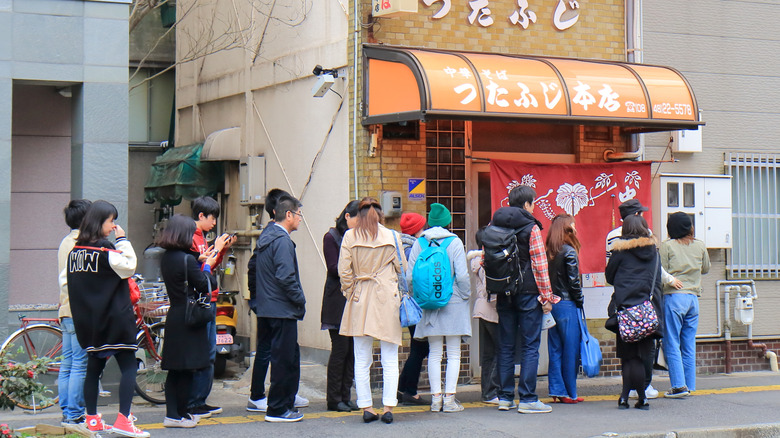
Before ordering, there's some basic protocol to follow just to get a seat. One of the rules American tourists break within the first 10 minutes is saving a place in line while waiting to enter a restaurant. Many popular ramen spots have lengthy queues. It's generally considered rude to leave the line and rejoin your companions near the entrance. Being loud while waiting is also frowned upon, as many restaurants are located in residential neighborhoods where excessive noise can disturb nearby residents.
Not bringing cash
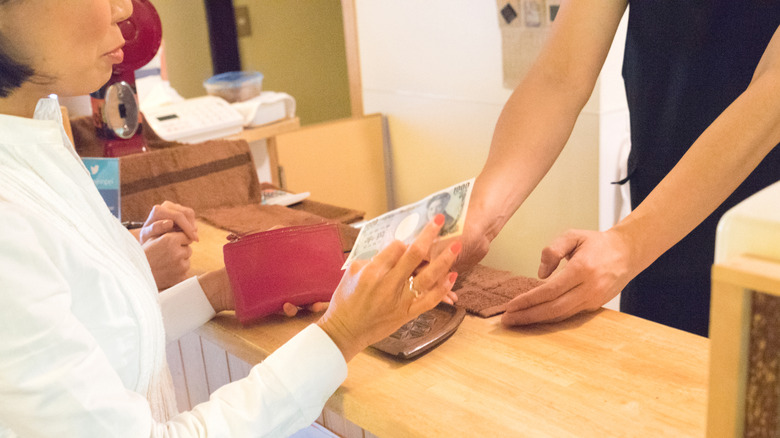
Many ramen restaurants still accept only cash, so make sure to hit the ATM before heading out to eat rather than expecting to pay by card. Upon entering some of the cozier establishments, you may be greeted by a vending machine where you place your order. These are often cash-only. Even if you're ordering from a person, small ramen shops often avoid credit card processing fees. Additionally, some older customers still prefer cash. It's better to come prepared.
Taking up too much space
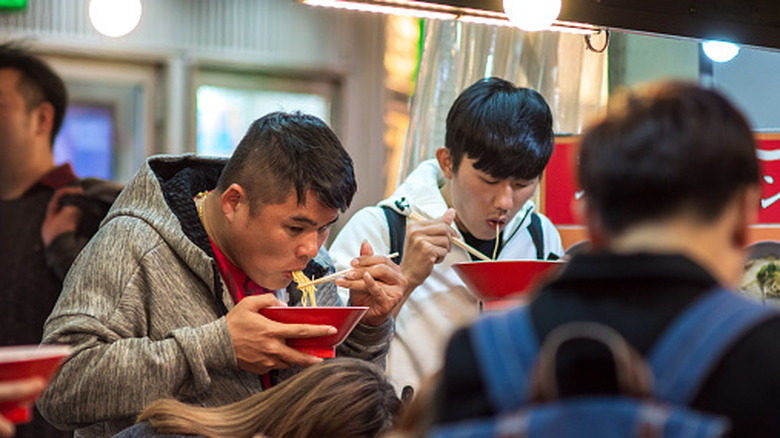
You've made it inside the restaurant, now what? After finding your seat, make sure you don't take up too much space in what's often a cozy dining area. Look for a hook or ledge under the counter for your personal items, and make sure they're out of others' way. Another perhaps surprising etiquette mistake you'll want to avoid is occupying two seats while only ordering one bowl. Space is often limited in ramen establishments, and seating is usually in high demand. If you don't think you can finish a whole serving yourself, ask if you can order a smaller size.
Snapping photos immediately
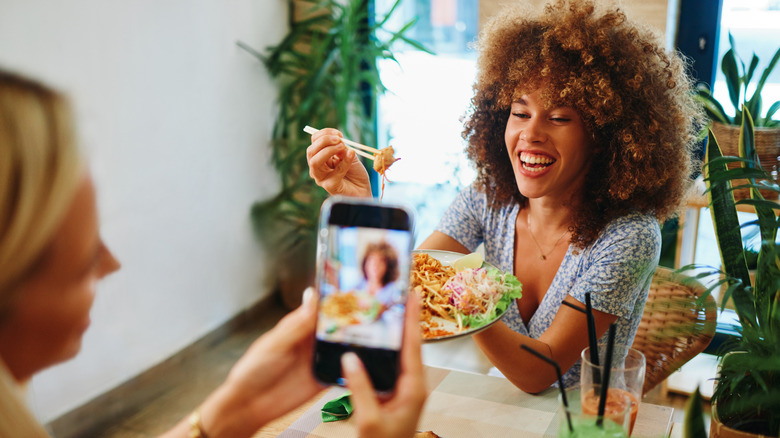
Another common habit is immediately taking photos of your meal and surroundings. This is a major no-no in many ramen restaurants. While photographing your dish is generally acceptable, some ramen shops don't allow photography inside at all. If photography is allowed, keep your camera focused on your food rather than other diners or staff. If you must take a photo of someone, ask them politely, but respect their answer if they decline. Some people may even cross their arms into an "X" as a way of saying no.
Letting hair get in the way of eating
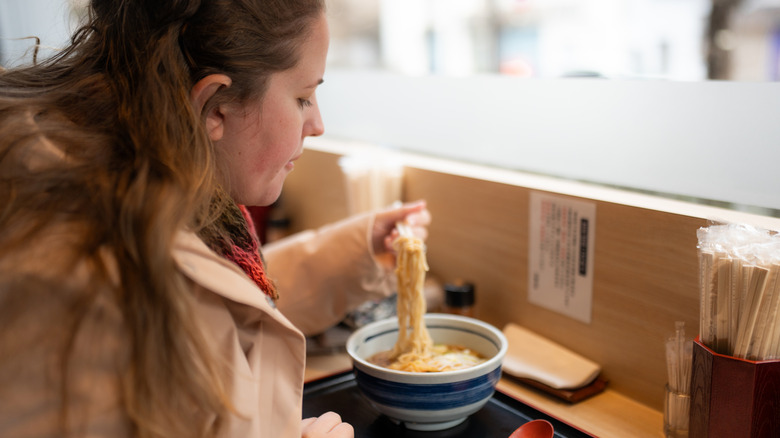
If you have long hair, bring something to tie it back. Some ramen restaurants even provide hair ties if you don't have one. Both for sanitary reasons and better dining experience, long locks dangling in your bowl are a definite no-no. Plenty of condiments can improve the taste of your ramen, but hair is definitely not among them.
Adding seasonings before tasting the broth
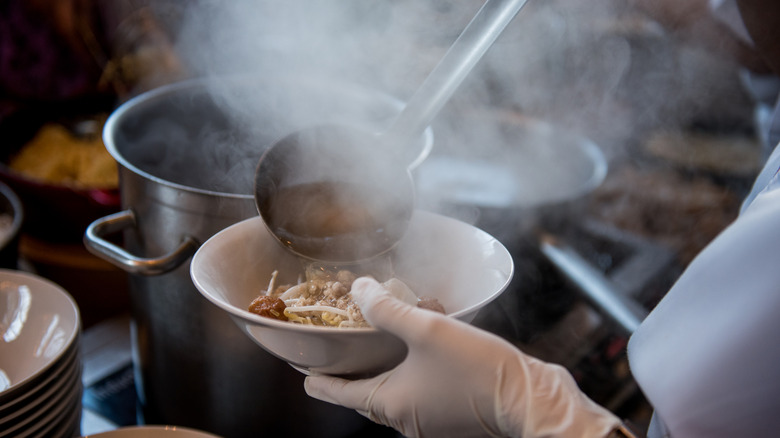
Once your order is served, don't immediately reach for the seasonings. Many ramen chefs spend years perfecting their recipes, and crafting impeccable, complex soups is often a lifetime pursuit. Tasting the broth first shows appreciation for the dish as it was intended to be enjoyed. Japanese Soba Noodles Tsuta in Tokyo even became the first ramen restaurant to earn a Michelin star. Once you've tasted the broth, feel free to add seasonings if you think the bowl needs them.
Hesitating to slurp
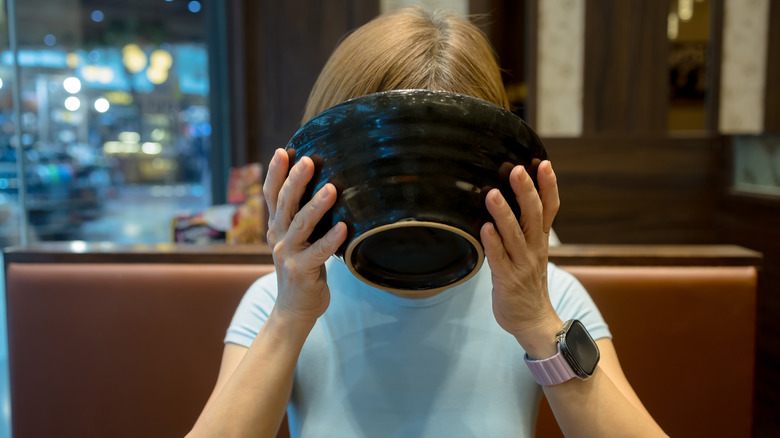
You'll typically be provided with chopsticks and a soup spoon called a renge, though it's also perfectly acceptable to drink the broth directly from the bowl. In many Western cultures, making noise while eating is discouraged. In Japan, however, slurping your noodles isn't viewed as rude and can even signal that you're enjoying the meal. It also helps cool the noodles before they reach your mouth. Just avoid doing so excessively or splashing broth everywhere.
Lingering in the restaurant
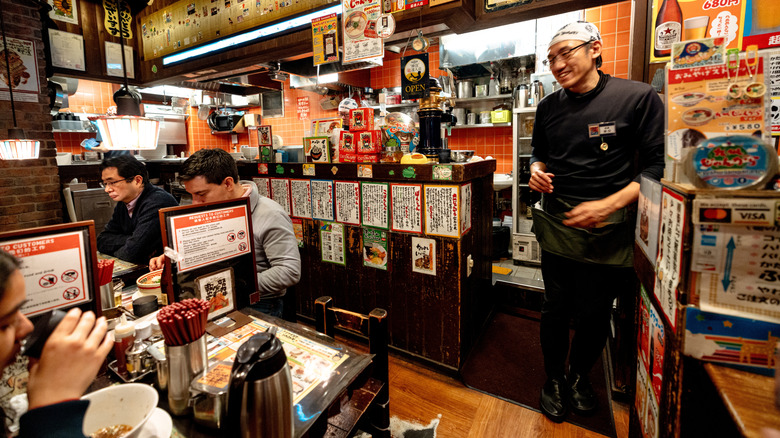
Ramen restaurants are not exactly places for long conversations. They're considered a form of fast food in Japan, meant to be appreciated but also eaten without lollygagging. People are simply there to dine and do so quickly. Turning over tables helps keep prices affordable at these relatively small eateries and keeps the outside queue moving. Plus, it's considered good manners to eat up while the ramen is hot and fresh. And after all, who likes soggy noodles?
Improper use of chopsticks
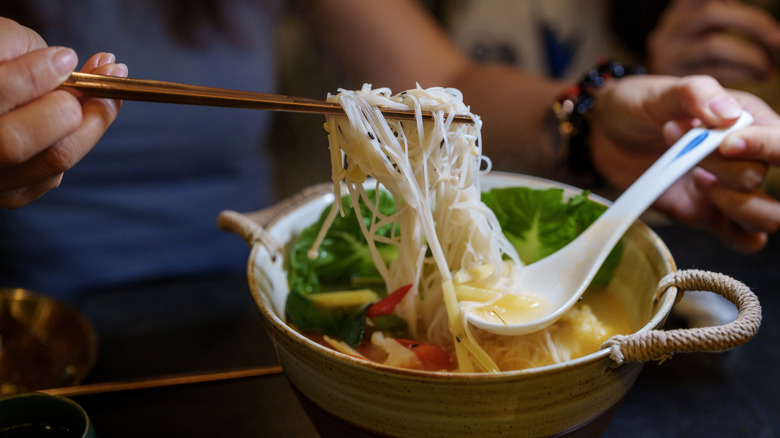
Chopstick etiquette is crucial, such as not sticking them upright into your bowl after taking a bite or sip. Unfortunately, too many tourists make this dining mistake when visiting Japan. Doing so resembles a funeral ritual and is considered inappropriate. Instead, use the provided chopstick rest or a small plate. Other chopstick no-nos include crossing them instead of resting them side by side, pointing with them, or using them to pass food directly from one person's chopsticks to another's.
Putting food back in the bowl
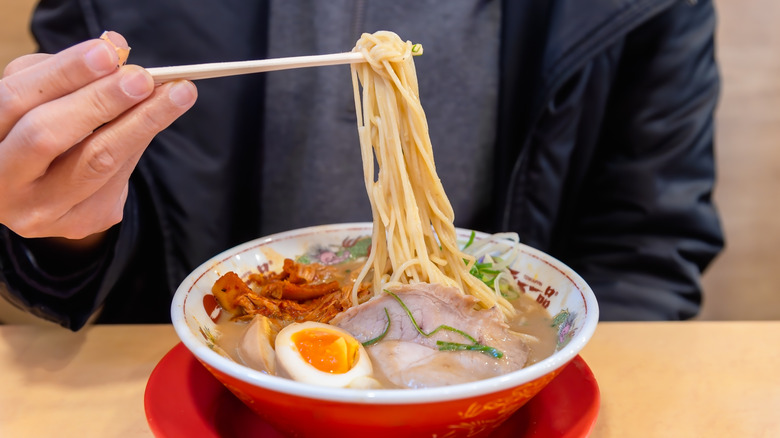
How do you gracefully eat those long noodles without looking like an outsider? One important rule is to avoid putting food you've already picked up with your chopsticks back into the bowl. If you lift something from your ramen, you want to try to eat it in one go, and that means slurping up those noodles without biting into them and letting the rest fall back into the bowl.