
Just Outside Little Rock Is Arkansas' Historic Town With A Unique State Park, Museum, And Outdoor Fun
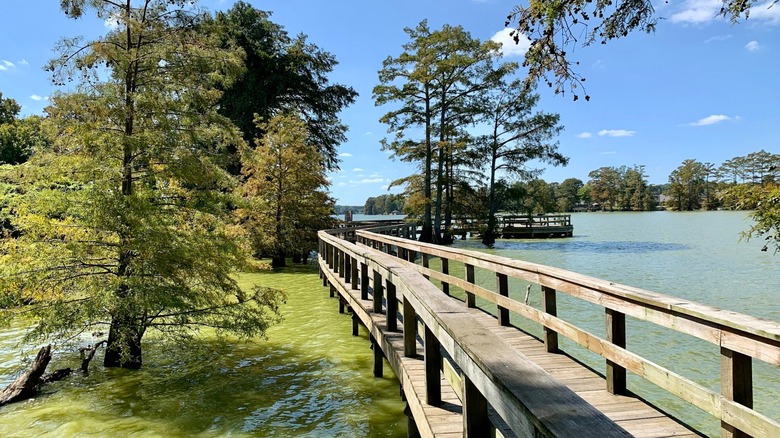
Most travelers looking for hidden gems in Arkansas might encounter the same names on typical lists, such as Hot Springs National Park, Eureka Springs, and other scenic attractions. But if you want to visit a niche destination, you won't have to venture out too far from Little Rock. Just east of the Arkansas capital is a little community that's humble in size, but rich in history. Named for early settler John Scott, who arrived in 1844, the community grew around the fertile farmland of the Arkansas River and became known for its cotton plantations. You can learn about its role in cotton farming at the Plantation Agriculture Museum and the Scott Plantation Settlement.
Scott's origins, however, extend far beyond its agricultural community period. In fact, the historic town was once an ancient Plum Bayou Native American mound settlement. More than a thousand years ago, the Plum Bayou people built complex earthwork mounds, with one reaching nearly 50 feet tall. You can view these at the unique Plum Bayou Mounds Archeological State Park, dating back to the years between 650 and 1050 A.D. Whether you're interested in its agricultural past or indigenous history, this pocket-sized town's millennia-old heritage boasts several key eras worth discovering.
Beyond its historic sites, Scott also offers plenty of opportunities for outdoor recreation. You can take advantage of fishing and camping at Willow Beach Park, situated along the Arkansas River. Moreover, there's boating, wildlife watching, picnicking, and other pastimes on the riverfront. Since Scott is located outside Little Rock — only a 20-minute drive away — you can easily plan a day trip. If you want to spend the weekend here, don't expect fancy hotel stays. Instead, book a vacation rental on Airbnb or opt for a rustic camping experience at Willow Beach Park.
Learn about Scott's history at the local museum and state park
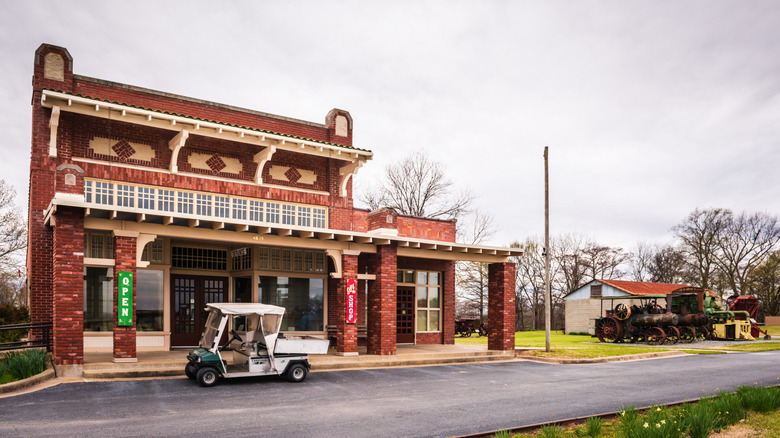
A good start for historical exploration is the Plantation Agriculture Museum. This site consists of multiple structures, like the 1912 Steele-Dortch general store, Dortch gin building, and seed warehouse. The general store is the main museum building, with exhibits on how cotton was cultivated and harvested — a process that took up to a year to complete. At the Dortch gin building, you'll see vintage processing machinery, including two 80-saw gin stands. The 1948 seed warehouse, on the other hand, allows you to step into Cotton Belt boxcars. If you're there on the weekend after Labor Day, don't miss the Annual Antique Tractor and Engine Show.
Not too far is the Scott Plantation Settlement, an open-air attraction with over 20 buildings depicting rural and agricultural life from the 19th century to World War II. Go on a guided tour to spot the oldest original structure on-site, the Ashley-Alexander Log Dogtrot House, where you can learn about early textile making. Then, wander through some one-room plantation schools, a medical clinic, a commissary, and other styles of tenant homes. There are also live craft demos, including a blacksmith at the forge and sorghum boiling.
To step back to the years between 650 and 1050 A.D., head to Plum Bayou Mounds Archeological State Park. This one-of-a-kind state park houses one of the biggest Native American ceremonial centers in Arkansas. Originally an 18-mound complex, the park features the state's tallest mound, which stands at 49.5 feet. First, pop by the visitor center to see the relics, then follow the Plum Bayou and Knapp Trails, which snake through the prehistoric mounds and earthen embankments. To extend your outdoor adventure, drive to nearby Cane Creek State Park, which has camping, trails, and water recreation.
Enjoy outdoor activities around Scott, Arkansas
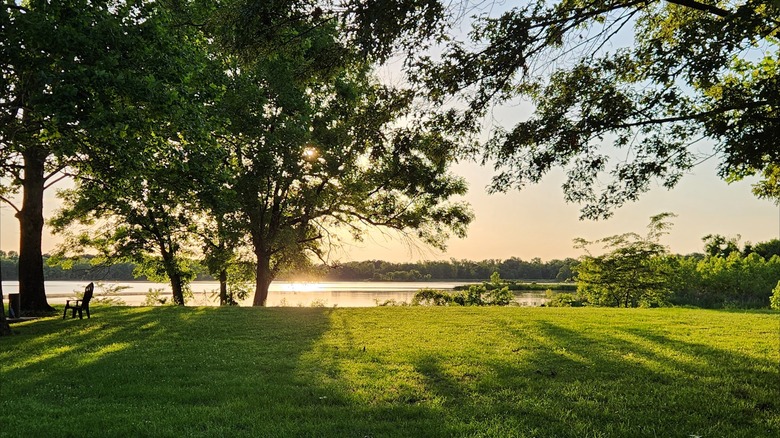
With the history lessons completed, you can soak in the great outdoors at Willow Beach Park. Nestled along the Arkansas River, this waterfront spot allows you to launch boats, fish for a variety of species, and have a quiet afternoon of picnicking and wildlife spotting. You'll find most anglers by the boat ramp launching their vessels in hopes of reeling in bass, bream, and crappie. Target the dam tailwaters for higher chances of successful catches. One previous traveler recounts how they "had a good time with [their] family," noting that Willow Beach is a "nice, clean location to fish."
Keep an eye out for local wildlife while you're at it. This area includes deer and red fox sightings — a previous visitor even said that "the park was just crawling with armadillos." Bring your binoculars as well to spot waterfowl wading by the shore. There are group picnic shelters, too, so you can enjoy a nice outdoor meal as the kids burn off energy at the playground.
If you're not done basking in the great outdoors, spend the night at the Willow Beach campground. Reserve one of the 21 available campsites that are equipped with water and electric hookups. Campers have access to showers, picnic facilities, and a dump station. One person said that it's "very quiet" at the campground and there's "lots of space between sites" — they also added that the "showers and bathrooms were clean and well-maintained." To improve your overnight stay, don't forget to brush up on some of the top DIY camping hacks before your outdoor adventure, from preparing food in advance to making a cozy camp floor with foam mats. For even more outdoor fun, drive to Daisy State Park, which has camping, lake recreation, and wildlife viewing.