
Forget Yellowstone — Visit This Less Crowded, Beautiful Montana State Park With Scenic River Trails
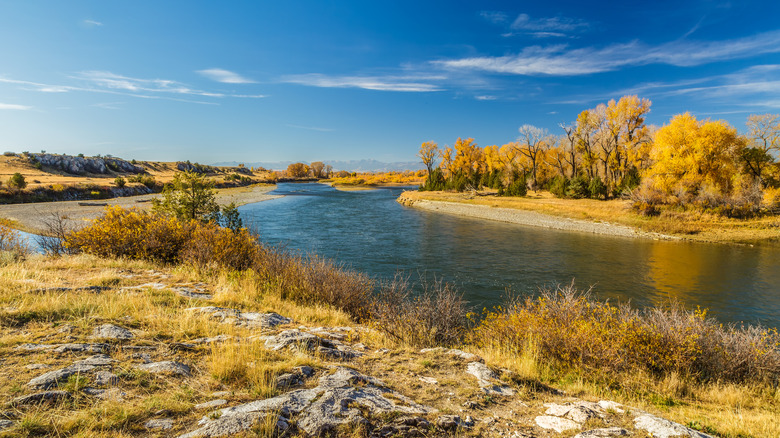
There's no denying Yellowstone is one of America's — and the world's — great national parks. But there's also no denying that it's crowded, with more than four million annual visitors flocking to the epic sprawl of mountains, pulsing geysers, and endless skies in northwest Wyoming. There are great alternative options for crowd-weary park enthusiasts, though, one of which is Missouri Headwaters State Park, just across the Wyoming border in Montana.
Missouri Headwaters State Park, only 30 minutes from Bozeman by car, sits at the point where three smaller rivers converge to form the Missouri River, which then winds cross country for some 2,500 miles before flowing into the Mississippi at St. Louis. The park's topography is different from the towering vistas and volcanic activity for which Yellowstone is famed. Missouri Headwaters is a highland area of verdant plains, webbed in great, snaking tributaries and dotted with willow, cottonwood, and birch trees. The abundance of water and the lushness of the landscape has lured humans for centuries, with Native American tribes, and subsequently trappers and settlers, all vying for control of the region. Lewis and Clark even camped here in 1805.
Wildlife also thrives in Missouri Headwaters: freshwater fish in the rivers; pelicans, eagles, hawks, and cormorants in the skies; and otters, beavers, deer, and elk on land. Look out for these as you walk the park's miles of gentle river trails or stay in one of 17 campsites overnight. Other activities include cycling, fishing, kayaking and boating, and a summer speaker series featuring free-to-attend presentations on the history and nature of Missouri Headwaters. Most importantly, you can experience all of this without braving the crowds of over-touristed Yellowstone.
A State Park Without the Crowds
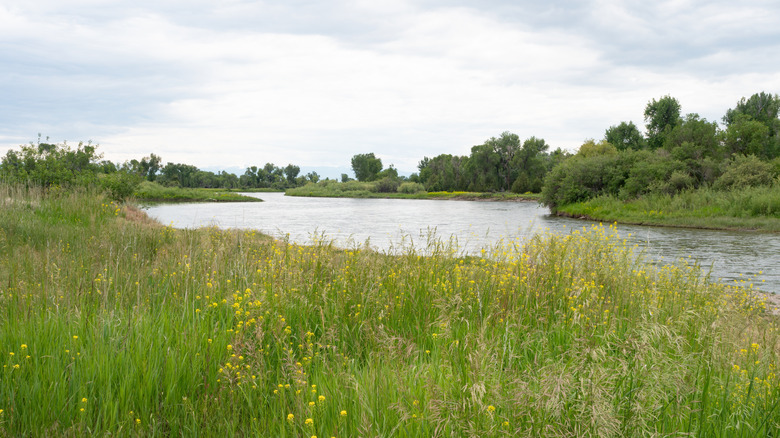
While Montana is home to a crowd-free state park, Yellow Bay, it's not comparable to Yellowstone. Equating Missouri Headwaters to Yellowstone is also a comparison of apples to oranges. Missouri Headwaters covers 532 acres, whereas Yellowstone engulfs more than two million. Yellowstone struggles with the millions of visitors it receives each year, causing disruptions to local wildlife, stressing the park's infrastructure, and resulting in injuries and fatalities with errant driving in Yellowstone. Missouri Headwaters, meanwhile, seems much better equipped to deal with its own helping of tens of thousands of annual visitors — Three Forks Voice reports that there were just 56,849 visitors in 2025.
No overcrowding creates a more ambient atmosphere, the kind that nature-loving travelers often seek out. Hiker reviews on AllTrails note the lack of tourists and quietude present in the park. YouTube vlogs also show a wilderness area as yet untainted by excessive footfall and long lines of vehicular traffic. Tripadvisor reviews express similar sentiments, praising the park's seclusion and its quiet nooks and crannies.
To be clear, increased visitor numbers to Montana's state parks in recent years has led to some issues with crowding, infrastructure wear and tear, and maintenance demands. But Missouri Headwaters, despite its inherent beauty, has seen a more irregular pattern, with last year's figure actually a 16% decrease from the number of visitors during the previous year. If you enjoy solitude in nature, this probably comes as good news.
Walking Missouri Headwaters' Scenic Trails
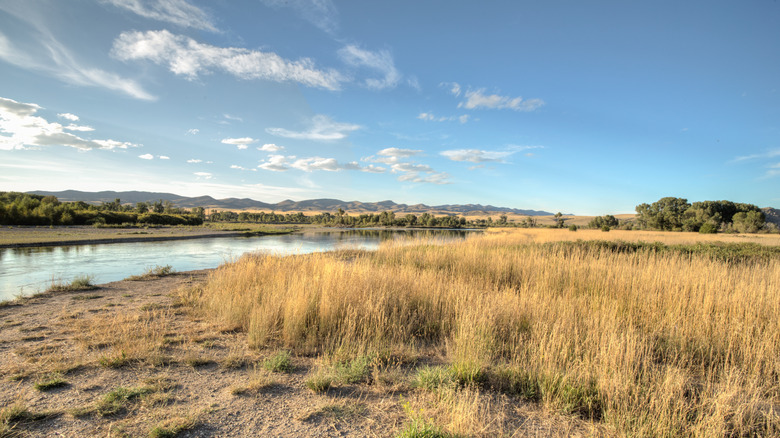
Much as the labyrinthine river tributaries wander across the plains of Missouri Headwaters, hiking trails — some better marked than others — meander along the water's edge. There are 10 interwoven trails here, all of which are relatively flat, with the highest elevation gain a total of 88 feet on the popular Fort Rock Loop Trail. Though only a mile-and-a-half long, it offers expansive views across the plains and to the mountains beyond, and if you're lucky, you might spot grazing moose. Be careful on hot, sunny days, as the trail has little shade.
Alternatively, the short Ling Rock Trail starts at the confluence of the Gallatin, Jefferson, and Madison Rivers, the official start point of the Missouri, and ambles for 0.5 miles alongside the headwaters. Though short, and partially overgrown, you'll get a great view of the converging tributaries and the Missouri River wending around an outcrop as it makes its journey eastward. If you'd prefer a slightly longer route, you can combine several trails to create a three-mile loop trail. This will give you the best scenery: verdant or sunbaked plains (depending on the season), placid stretches of river glinting in the sunlight, rare birds whirling in the skies, and a chain of mountains standing sentinel in the background. For more inspiration, download the official trail map online.
Missouri Headwaters is easy to access, half an hour from Bozeman or just seven minutes from Three Forks, a peaceful city high in the Montana Rockies. The park is open year-round, though campsites open seasonally — call or check online for camping reservations and availability. It's well kitted out with amenities, too, including flush and vault toilets, drinking water, grills, maps, and a boat launch area. Again, some are seasonal, so check before visiting.