
Between Tampa And Gainesville Is Florida's Wildlife Haven With Lakes, Trails, And Birdwatching
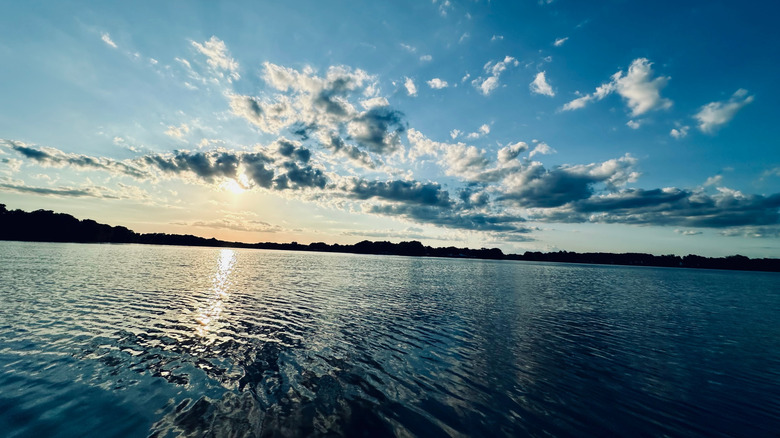
When you think of Florida, living the beach life, partying in Miami, or heading out to find monster fish in the waters that surround the peninsula are what likely come to mind. Inland from the ocean and gulf is reserved for Disney World and perhaps Lake Okeechobee. However, if you take the time to explore away from the coast, you may be surprised by what you discover. There's a spot off of most people's radar, located between Tampa and Gainesville, where you can find a wildlife haven with lakes, trails, and birdwatching. That place is the Flying Eagle Wildlife Preserve, and it's as inspiring as its name suggests.
The 10,950-acre Flying Eagle Wildlife Preserve (also known as the Flying Eagle Wildlife Management Area) is a diverse landscape of lakes, islands, marshes, and swamps. This diversity is created by the preserve being set within the Tsala Apopka Chain of Lakes. The freshwater aquatic system spans over 19,000 acres and is comprised of three main bodies of water — Floral City Pool, Inverness Pool, and Hernando Pool — with a myriad of smaller lakes and pools interspersed throughout the area. The preserve, set just to the east of the Inverness and Floral City Pools, is an ideal spot to take to the water and explore this network of lakes. Boating and fishing are both popular, and public boat launches are available for use.
The preserve is free to enter and is open year-round from 30 minutes before sunrise until 30 minutes after sunset. There are no restrooms and no water available at the entrances, however, you'll find portable toilets within the preserve at the camping sites. Plan accordingly and make sure to bring plenty of water to stay hydrated.
Explore the trails in Flying Eagle Wildlife Preserve
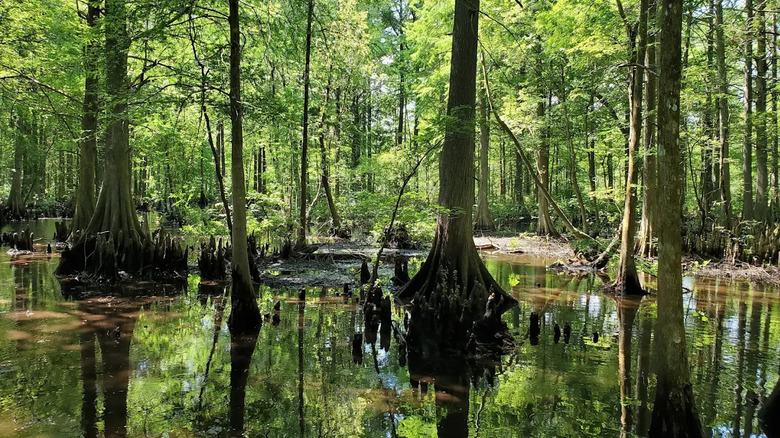
One of the most rewarding ways to experience the Flying Eagle Wildlife Preserve is by taking advantage of the 26 miles of multi-use trails on offer. One of the most popular trails is the Flying Eagle Preserve Loop, a 4-mile jaunt through a variety of terrain including marshy wetlands, open prairies, and wooded highlands. Typical of Florida, the path is flat with only 75 feet of elevation gain. Keep an eye out for wildlife such as American alligators, gopher tortoises, gray squirrels, and a wide variety of birds. For a shorter option, check out the Withlapopka Community Park Loop, a quiet, 0.9-mile trail near Floral City on the southwestern edge of the preserve that's popular with hikers, birders, and mountain bikers.
Although the trails are flat and seem far from extreme, you should still come prepared. Conditions can be inordinately wet depending on the season, so stay up to date on the local weather. Also, when hitting the trails in the heat, especially in hot, humid Florida, it's prudent to take steps to mitigate the dangerous temperatures. Take a look at the five colors you should always wear on a summer hike (or all year-round in Florida).
The trails are multi-use and are also popular with equestrians. If you're thinking of bringing a horse, there are approximately 22 miles of trails on which you can ride. There's even the option to do some horse-drawn buggy riding, if that's your thing, with a free day-use reservation. Just be sure to stay on designated trails, and follow all equestrian regulations. Remember, riders under the age of 16 are required to wear helmets per Florida law.
The preserve is a haven for birdwatchers
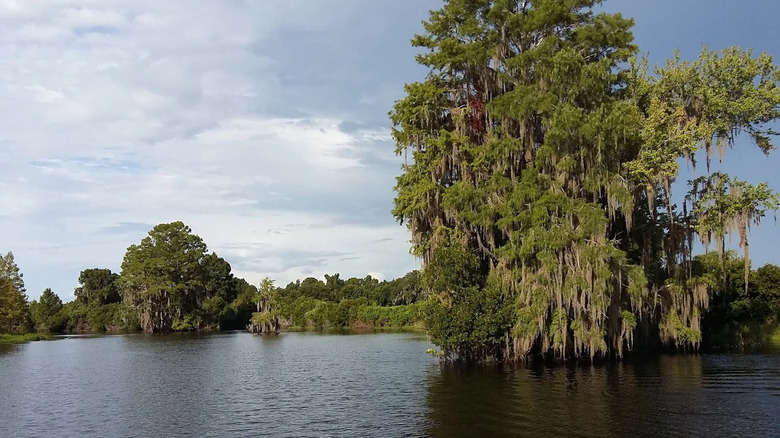
For bird watching enthusiasts, Flying Eagle Wildlife Preserve has two major designations indicating it's a prime spot to indulge in the hobby. First, it's a stop along the Great Florida Birding and Wildlife Trail, a collection of over 500 sites with some of the best opportunities to view Florida's wildlife. The trail spans 2,000 miles and includes various parks, preserves, and private lands. To make it easier to research and explore specific ecosystems, the trail is divided into four sections: Panhandle, West, East, and South, with Flying Eagle Wildlife Preserve being in the West region. One of the most notable stops on the trail is the surprisingly relaxed reef and beach paradise of Dry Tortugas National Park.
Second, the preserve sits along the Atlantic Flyway. Flyways are major bird migration routes, and North America contains four. The Atlantic Flyway stretches from Greenland to Florida along the Atlantic Coast, with Florida being in a crucial spot for avian species transitioning to or from the Caribbean and South America. Suffice it to say, for birdwatchers, the preserve presents ideal access and opportunity to view a wide variety of birds, including loggerhead shrikes, herons, woodpeckers, American kestrels, raptors, and swallow-tailed kites, to name only a few. To get the best views during your adventure, make sure you have the very best binoculars to fit the task.
The closest airport is Tampa International Airport (TPA), about 77 miles away. As for lodging, the preserve has primitive campsites available with picnic tables, fire pits, and portable toilets. The camp sites are free but you must make a reservation. There are no hotel or motel type accommodations within the preserve, however lodging options are plentiful in Inverness near the northwestern section of the preserve.