
Between Laredo And The Gulf Is The 'Vaquero Capital Of Texas,' With Rodeos, Ranches, And Historic Charm
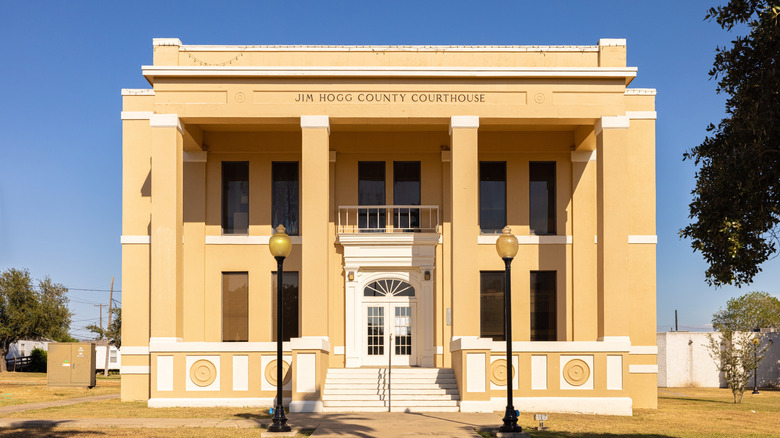
When travelers think of South Texas, they normally picture the Alamo and Riverwalk of San Antonio or the warm beaches of the Gulf Coast. But deep in the heart of the region lies Hebbronville, shaped by a strong vaquero heritage. The census-designated place has a population of just over 4,300 residents and serves as the seat of Jim Hogg County. Located between the busy border city of Laredo and the Texas Gulf Coast, Hebbronville stands apart from both, forging its own identity rooted in its ranching past and vaquero culture.
The name "vaquero" is born out of the Spanish word for "cow," and the tradition has roots in both Spanish and Indigenous Mexican cultures. Per History.com, their history dates back to the 1500s, when Spanish settlers in now-present-day Mexico trained Indigenous Mesoamerican men to herd cattle and horses. By the 1700s, ranching had spread to the American Southwest, and vaqueros were hired for their expert herding, riding, and roping skills. Vaqueros are considered the original Texas cowboys, and the tradition remains especially strong in the southern part of the state.
Hebbronville was established in 1883, when rancher James R. Hebbron sold the land the town sits on to the Texas-Mexican Railway Company. The area has long been filled with cattle ranches, and by the 1920s, Hebbronville had become the largest cattle-shipping point in the United States, per KIII-TV. The vaqueros who worked the surrounding ranches remain a vital part of the community. In 2005, the state legislature designated Hebbronville and Jim Hogg County as the official "Vaquero Capital of Texas." Shortly after, the annual Hebbronville Vaquero Festival began, celebrating the cowboys and the ranching culture the area is known for.
Hebbronville's rodeos and ranches
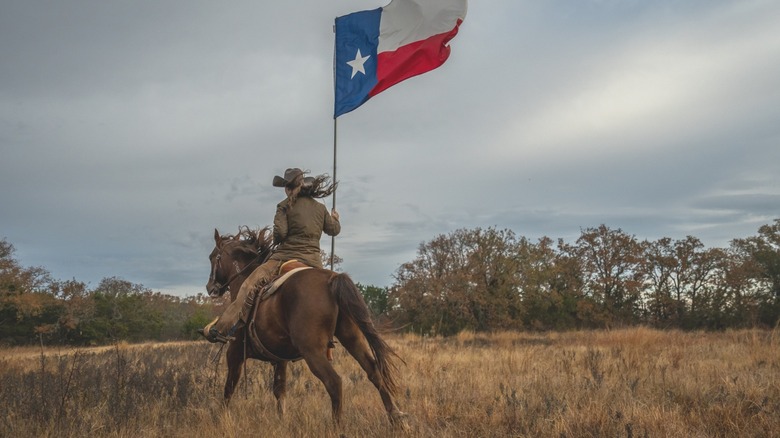
The vaquero heritage is celebrated every year at the Hebbronville Vaquero Festival, a two-day celebration of the cowboys at the heart of the region's ranching culture. The festival features rodeos, cook-offs, local artists, a parade, and live regional music. Per a 2007 press release about the third edition of the festival from the senator, visitors come to celebrate the "guardians of the South Texas ranching culture," while learning about the area's history and connecting with the traditions that define Hebbronville. For those who want to learn more about cowboy culture within Houston's urban landscape, Rosenburg is an underrated, historic suburb that's home to a free vaquero museum.
Outside of the Vaquero Festival, the Hebbronville Event Center hosts Riley's Birthday Bash Kids Ranch Rodeo for children, where young participants compete in events such as trailer loading and branding, all for the chance to win prizes. Another major event for the area is the Jim Hogg County Fair, bringing residents together for two days of livestock events, food contests, a carnival, and a parade.
To truly appreciate Hebbronville's cattle culture, consider exploring the numerous ranches that dot the South Texas landscape. About 17 miles south of town is Jesus Maria Ranch. With buildings dating back to the late 1800s, visitors can experience the ranch through retreat packages that include activities such as cattle herding, archery, nature walks, horseback riding, and more. Another historic ranch in the Hebbronville region is Alta Vista, a 34,000-acre ranch that has operated in South Texas for over 130 years. Guests here can take sunrise and sunset drives around the land, try skeet shooting, and enjoy live Mariachi performances.
The historic, South Texas charm of Hebbronville
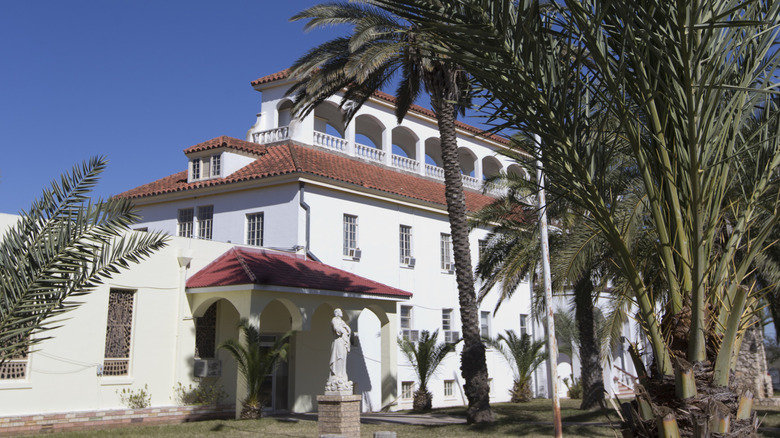
One of Hebbronville's notable landmarks is Scotus College. The college is a historic building that now serves as the home of the Franciscan Friars of Hebbronville, which was founded in 1926 by priests fleeing religious persecution in Mexico. The building is also a museum that looks at the history of the friars in the area, and it's connected to the Our Lady of Guadalupe Parish. Visitors can tour the church and the grounds but should be respectful as it is active. Located next to the Scotus College is the Garza House, built by Don Bonifacio Garza in 1893, making it the oldest house in Hebbronville. It was home to important families, nuns during the Mexican Revolution, and a teacher who taught at Colegio Altamirano, a Spanish language school that operated in Hebbronville until 1958.
A good place to get a sense of a town's identity is in its restaurants, and North Smith Avenue is where visitors will find the majority of Hebbronville's eateries. Avila's BBQ, which was profiled in Texas Monthly in 2021, is a historic barbecue restaurant known for its barbacoa, beef cheek seasoned with chilies and spices and slow-cooked until the meat is tender. To the south of Avila's sits Las Lomitas Cafe and Tasty Pastry, a popular lunch and dinner spot that features both American and Mexican dishes.
After exploring the vaquero ranching culture of Hebbronville, consider heading west to Laredo, a city where Texas, American, and Mexican influences come together. If you prefer a coastal atmosphere, the beach towns along the Texas Gulf offer a completely different atmosphere, sometimes feeling more like the Caribbean than the rest of the Lone Star State.