
Between London And Bristol Is One Of England's Oldest Towns With Scenic Nature Reserves And Historic Charm
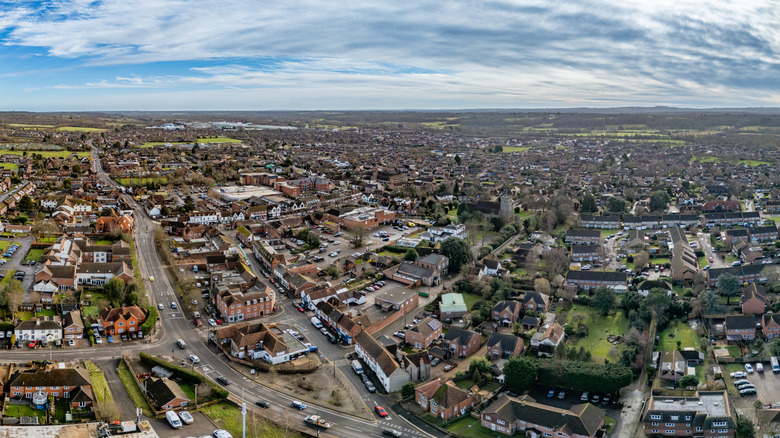
The south of England is full of prosperous and charming country towns, with stone churches and manicured lawns, and attractive shopping streets. Among the most historic is Thatcham, lying in the River Kennet valley between London and Bristol. Thatcham was considered Britain's oldest continuously inhabited settlement until scientists discovered an even older one in 2014. Nevertheless, it's still ancient, with archaeological evidence suggesting people have lived in the area since at least 7,700 B.C.
Much has changed since then, but visitors will still be taken by the town's historic charm. It's home to a church that retains some of its 12th-century architecture and a former chapel that's more than 700 years old. The chapel is designated a Grade I listed building, meaning it's a protected structure of exceptional historic interest.
Thatcham is also known for its nature reserves, as befits its bucolic countryside setting. There's a Nature Discovery Centre on the edge of Thatcham Lakes, where you can access a variety of trails and wildlife habitats. You can also walk along the Kennet and Avon Canal, running for 87 miles from Reading to Bristol, one of the best places in the world to travel this year. Or you can explore Greenham Common and neighboring Crookham Common, a stretch of woodland and heathland that's scenic in a typically understated British way.
Exploring historic Thatcham
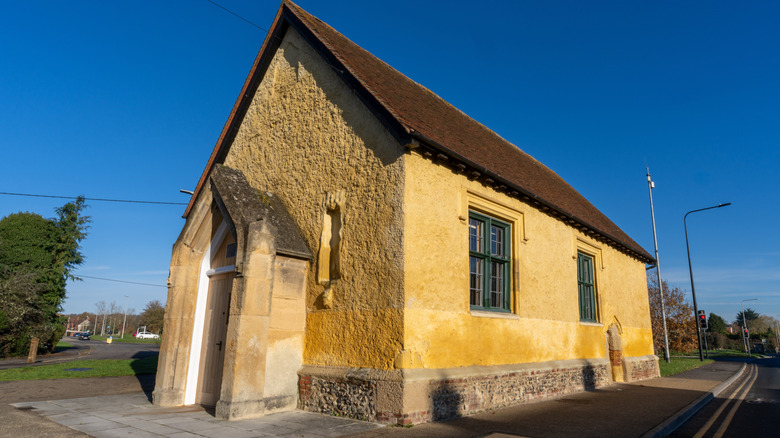
The Old Bluecoat School, formerly St Thomas' Chapel, is one of Thatcham's most notable historic buildings. Records suggest the chapel was already in operation by 1304, meaning it likely predates that. It may also have functioned as a prayer stop on the route between London and Bristol given its location beside a medieval highway. It later became a school, which is how it acquired its modern name.
As a Grade I building, it's in rarefied air: of the almost 380,000 listed buildings in the U.K., only 2.5% have been given this prestigious designation. Replacing so much as a stone in one of these structures without permission is technically a criminal offense, no matter how ill-equipped it might be for modern living. Though not a conventional museum — it's run by a volunteer-led charity — you can walk up to the Old Bluecoat School building and inspect it from outside. It's also used for small festivals and community events; check the official website for the latest information.
For a religious structure of much grander dimensions, visit St. Mary's Church in the heart of town. The first stone church here was a Norman-era construction, possibly dating back to the 12th century. Though it was expanded and altered over the centuries, including substantial work in the 1800s, its original door still stands in the south porch. Visitors are free to walk into the church and attend regular services.
Visiting Thatcham's nature reserves
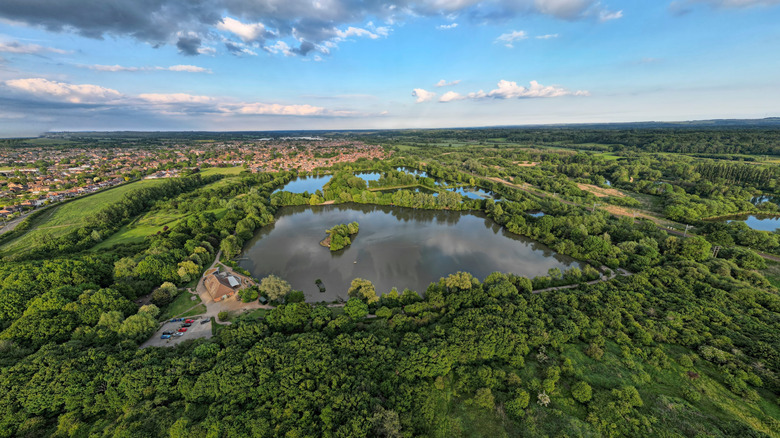
This is a pretty corner of rural England — the idyllic villages and rolling hills of the North Wessex Downs National Landscape are only 10 miles away. For an introduction to the wilderness and wildlife you'll find around Thatcham, head to the Nature Discovery Centre on the south side of town. With bird-watching areas, walking paths through orchards and woodlands, and a cafe overlooking a lake, it's an easy place to while away an afternoon.
The lakes, hedgerows, and woods enable birds to live here — permanently or during rest stops on their migratory routes — throughout the year. Alongside ducks, mallards, and geese on the lakes, you might spot cormorants, herons, kingfishers, warblers, and wagtails. Bats and wildflowers are also found in the area, while dragonflies and damselflies thrive in the reedbeds. A downloadable trail map shows three marked trails you can embark on from the discovery center. The longest is 2 miles, taking you through the Thatcham Reedbeds, one of the most significant habitats of its kind in the country, and along the Kennet and Avon Canal. From here, you can take a detour and follow a public right of way skirting the water channel.
Greenham and Crookham Commons offer sumptuous scenery, too, and together compose the largest stretch of heathland in the county. The landscape, a 15-minute drive from town, is known for its thick heathers and bright yellow gorse bushes, while cream-colored orchids bloom in late summer. Miles of trails web the commons, guiding you across the heathlands, through the woods, and along the canal. You can even start from the Nature Discovery Centre or Thatcham Station if you'd prefer to do the whole journey on foot. Your outdoor excursions will be better when it's not teeming from the heavens; check the best time to visit England for optimal weather.