
This Wetland Gem Filled With Endless Wildlife And Trails Is One Of Canada's Best Birdwatching Destinations
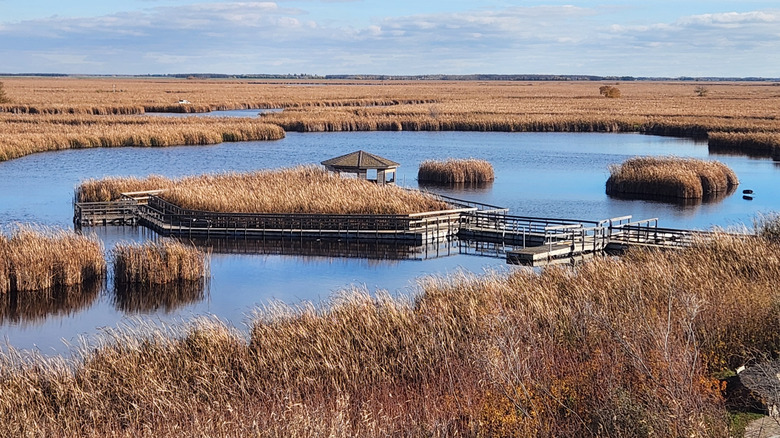
Sprawling across a gorgeous stretch of land in Canada's Manitoba province, Oak Hammock Marsh has been attracting birders for decades. Thanks to its diverse habitats, this restored prairie wetland is a designated Ramsar Wetland of International Importance, and the shallow ponds, reedbeds, tall-grass prairie, and aspen parkland provide important breeding and nesting grounds for migratory and resident birds. Over 300 species have been spotted by bird enthusiasts at the marsh, and during the height of migration season, more than 200,000 waterfowl can pass through the marsh, so it is no great shock that Oak Hammock Marsh has been listed by IBA Canada as an Important Bird Area.
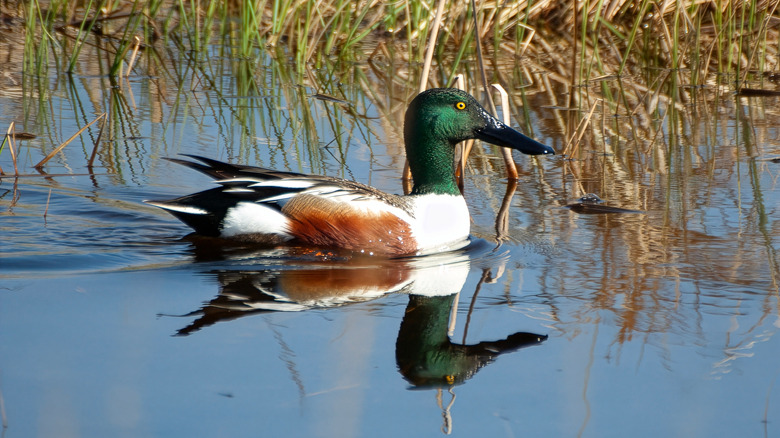
Birdingplaces describes this wild wetland as a "world-class birding destination," with the marsh also ranking in 1000 Towns of Canada's list of the best bird watching parks in the country. The latter even reports that there are "so many birds you could stay there for days," with frequently sighted species including the American avocet, the yellow-headed blackbird, and the Wilson's Snipe. The marsh's inhabitants change with the seasons, and while in summer you might see northern harriers and blue-winged teals, with winter bringing snowy owls, rough-legged hawks, and more.
This wetland sanctuary is teeming with wildlife, and beyond the birds, there are many mammals, including river otters, raccoons, and white-tailed deer. Reptiles are also found in the marshlands, and you might come across painted turtles sunning themselves on logs during the warmer months. If you're here in spring, listen for boreal chorus frogs. The marsh is "a gem of a place to see nature close up" according to one Tripadvisor visitor, so if you're into wildlife, this is where to come.
Exploring the trails around Oak Hammock Marsh
You'll find Oak Hammock Marsh about 20 miles north of Winnipeg, making it a great day trip from the city. Start your visit at the Wetland Discovery Centre where there are interpretive exhibits to help you understand the marsh ecosystem and its inhabitants. Then it's time to hit the 18 miles of self-guided trails that traverse the wetlands and grasslands. The trails are color-coded to help with navigation and range from gravel tracks to grassy paths, with wooden boardwalks across the wetter sections. You'll find several viewing platforms and observation blinds around the marsh where you can observe the wildlife from different perspectives.
When choosing your route, one AllTrails user suggests that the "best one for seeing the waterfowl is the pond with the observation blind" where they saw "lots of geese and ducks." You may find some of the grassy trails unmown, as this helps to protect nesting habitats. Ticks are present in the marsh grasslands, but these clever tips for avoiding ticks during your hike should keep them at bay. If you'd like in-depth insight into the wetlands and wildlife, guided marsh walks are available during summer. You can also bike along the trails or canoe on the marsh for close-up wildlife encounters between May and November. If you're here in winter, you can still access the site using snowshoes, which can be rented from the visitor center.
If you're wondering about the curious name, it comes from the 19th-century settlers who used to gather by the marsh's wooded knoll for picnics. For more nature experiences in Canada, check out the wetland haven at Creston Valley Wildlife Management Area or the scenic 100 Mile Marsh Sanctuary in British Columbia.