
Canada's Quintessential Journey Is A Wildly Scenic Drive Through Mountains, Mining Towns, And Storybook Beauty
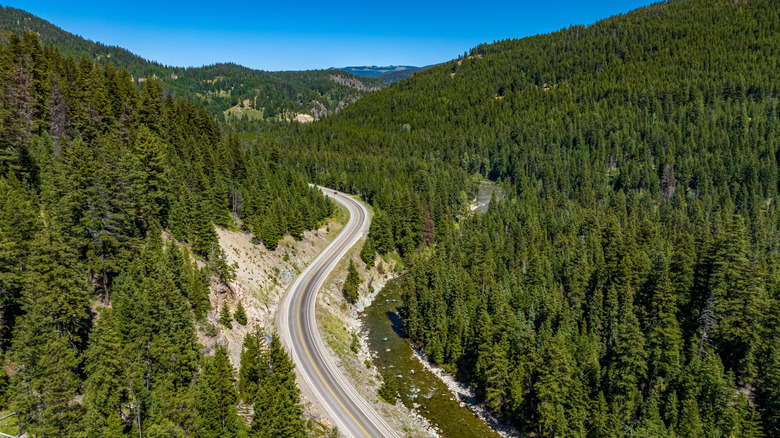
Searching for a picturesque way to enter the Canadian mountains? You might just have found it with Canada's Highway 3. Otherwise known as the Crowsnest Highway, it's a 721-mile odyssey through some of the most spectacular corners of the country, whisking you all the way from Hope, British Columbia (around 100 miles east of Vancouver), across the soaring Crowsnest Pass nearly 4,500 feet above sea level, and into the rolling plains of the province of Alberta.
As you can imagine, there's quite the reel of highlights waiting on this one. Mountains abound as you whiz through areas like the E.C. Manning Provincial Park, where dense forests halo the tops of the Cascade Mountains, and through the Kootenay region, where the mighty Rockies rise high, and glaciers lip over the ridges. The route includes enthralling towns, too, such as the erstwhile coal-mining outpost turned adventure-sports hub of Fernie, and Grand Forks, a copper boom town from the late 19th century with oodles of historic buildings and outdoor adventures on the doorstep to boot.
It's possible to drive the Crowsnest Highway either east to west, finishing near Vancouver, or west to east, finishing in the underrated Albertan sunny city of Medicine Hat. Travelers flying in can choose their starting point based on their wider itinerary, with Vancouver International Airport (YVR) providing convenient access to Hope from the west and Calgary International Airport (YYC) offering an alternative gateway to southern Alberta.
A true mountain adventure on the Crowsnest Highway
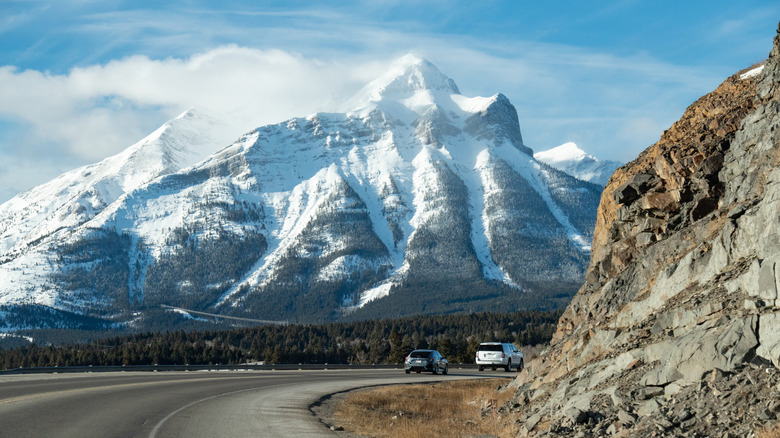
If you start the journey in the west, it'll be less than an hour from Hope to reach E. C. Manning Provincial Park. Think of it as a fine entrée to the mountain landscapes that await deeper into the trip, and a chance to explore a mosaic of unique habitats, from the dense forests right up to high alpine tundra areas where grizzly bears roam free. If you really want to stretch the legs, hit the 13-mile Frosty Mountain Trail to scramble up a ridge that has exquisite views over a series of glittering lakes and lovely larch forests below.
The folks over at HWY3bc.ca, the official website of the Highway 3 Consortium, made up of a group of communities that sit along the route, list a whopping 13 outdoorsy stops in the Nelson and Kootenay sections of the drive. Among them is the Kokanee Creek Provincial Park, where campgrounds with front-row seats to the annual salmon run sit under the dramatic Selkirk Mountains. And there's the Monica Meadows Trail, a chance to experience shimmering lakes, wildflowers in bloom, and ice fields high in the Purcell Mountains on a 6-mile there-and-back hike.
Later again, you'll pass through the rugged mountain town of Fernie. There's rich history there, but also bucket loads of adventure. By winter, the Fernie Alpine Resort opens up 145 trails and 3,500 feet of vertical descent. When the snow's not around, you can hit easy river trails or conquer challenging summits like Mount Hosmer and Castle Mountain to get sweeping views.
Loveable towns on the Crowsnest
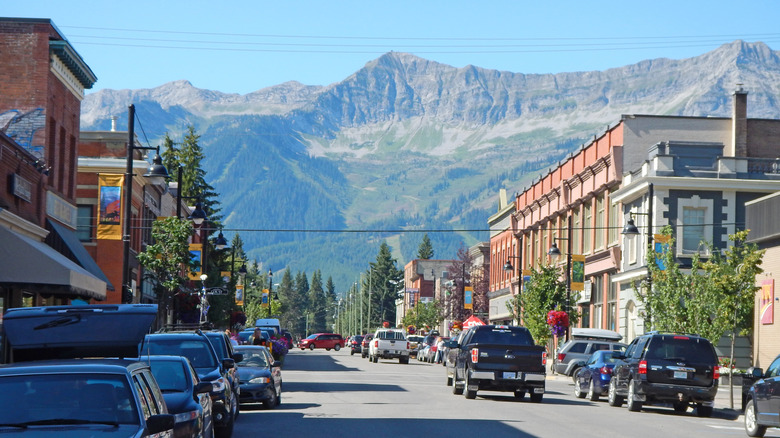
Highway 3 might snake its way through some of British Columbia's most eye-watering mountain scenery, but it's not just about that. It's also a montage of charming towns that come steeped in history, replete with local eats and loveable downtowns. Fernie is a case in point. The town was first laid out in the 1890s, and it still has buildings that are more than 100 years old — banks, a miners' social club, and vintage hotels among them.
Over 400 miles further west along the highway, you'll encounter Princeton sat amid the lush farms and fruit orchards of the Similkameen Valley. It's the gateway to the once-thriving mining town of Coalmont, where timber-fronted buildings from the early 1900s still stand alongside a pretty river. What's more, the greater Similkameen Valley is ground zero for wine and cider lovers, offering stacks of pretty tasting rooms as it ventures eastwards.
You might also want to pull over at Greenwood, if only to say you've visited Canada's smallest city. Main Street there is a real looker, coming laced with Victorian-style facades and historic buildings — around 60 of them in total — that belie its long history of boom and bust during the era of copper mining at the turn of the 20th century.