
Between Edinburgh And Middlesbrough Is A Quaint Town With Fun Shops, Tasty Eats, And Historic Charm
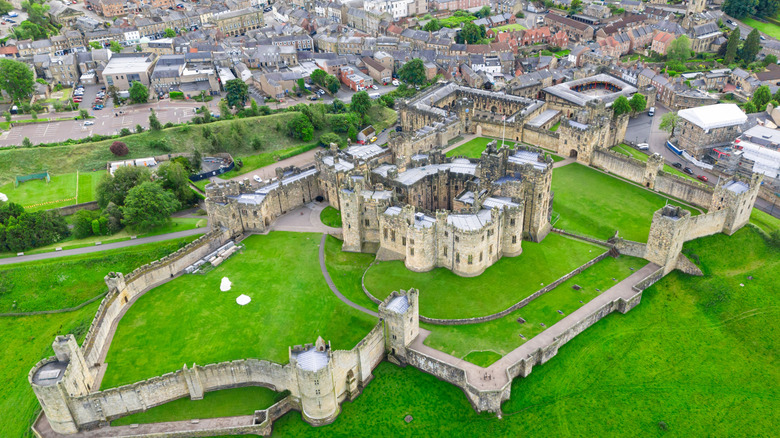
Every corner of northern England, whether it is a field, a forest, a town, or a city, can fill a dozen books about its history. Taking center stage, the area stretching from the North Sea to the Irish Sea has defined the history of England and Scotland as far back as the Romans, with the latter building the famous Hadrian's Wall in what is now the county of Northumberland. As a quintessential border region shaped by centuries of disputes and warfare, it has more castles than any other region in England. It is within that region, known for its dramatic landscapes and dynamic history, that sits the quaint town of Alnwick.
The town sits comfortably almost exactly halfway between Edinburgh and Middlesbrough, accessible by the historic Great North Road (known as A1) in about an hour and a half by car from either city. Although this enchanting medieval market town and staging post is home to roughly 8,000 people, its importance in Northumberland is marked by the imposing outline of Alnwick Castle, which has cemented its crucial role both in English history and on screen. The site stands witness to nearly a millennium of history and is currently the second-largest inhabited castle in England after the Royal Residence at Windsor Castle.
Aside from its absorbing historic charm, and true to its mercantile nature, Alnwick is brimming with fun shops and tasty eats. You will encounter one of England's largest second-hand bookshops, restaurants in treehouses, and a 300-year-old coaching inn with the elegant name of The White Swan, which holds an interesting connection to the Titanic inside one of its suites. And if you have a taste for the morbid oddity, Alnwick is also home to its very own Poison Garden.
The many charms of Alnwick
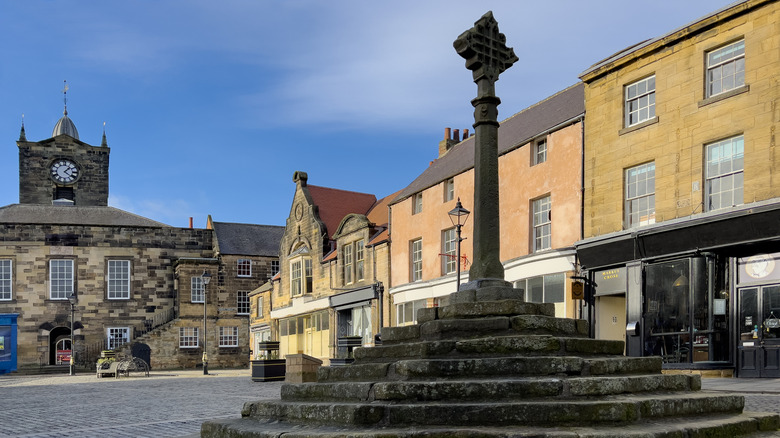
For centuries, the Great North Road, a historic artery that connected London to Edinburgh, fed Alnwick and its commercial interests, especially after improvements began in the mid-18th century. Its convenient proximity to Berwick-upon-Tweed, a town on the Scottish border equally celebrated for its historic charm and fresh seafood, solidified it as a sensible stopover during the era of staging posts in the early 1800's. The White Swan Hotel remains a wonderful reminder of the era of bustling coaching inns.
Once you step into its old market square, which has been the focal point of commerce since the 13th century, with its iconic market cross, you have a bucketful of choices. A 10-minute stroll down the endearingly named Bondgate Within/Without Streets will take you to a fun local institution. Open since 1991 and receiving up to 350,000 visitors a year, Barter Books is often nicknamed "the British Library of secondhand bookshops", and is beloved for its unique bartering system of trading books for credit. The bookshop enchants visitors even more by being located in the town's Victorian-era railway station and also houses a buffet, fireplaces crackling in the winter, and 40-foot murals.
If you wish to dress the part of a Northumbrian country gentleman or lady, Jobson's of Alnwick is a staple destination for outfitting you for the northern outdoors. Located right across from the Hotspur Tower on Bondgate Within, this former master saddler shop has been in business for over a century and currently specializes in country clothing. Once you look the part, you can stock up on locally brewed mead, unique spiced rums, and other heartwarming spirits to beat the North Sea chill in A Taste of Northumbria, all the while learning about the local culture of distilling.
Alnwick at the crossroads of history
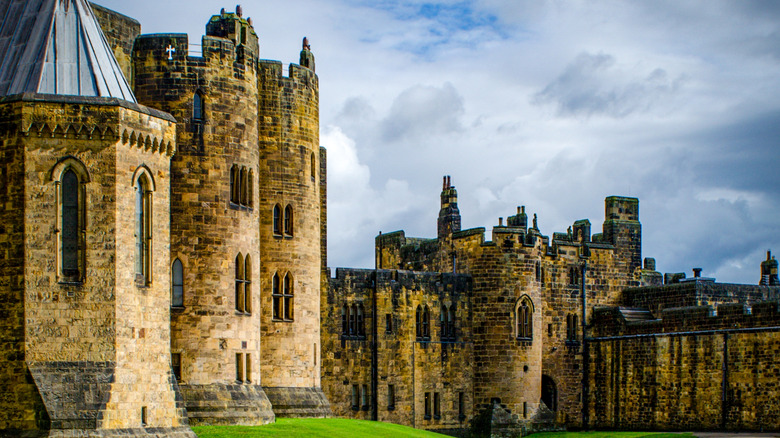
The coast of Northumberland is no stranger to iconic castles, as is the case with neighboring Bamburgh Castle, the ancient seat of Anglo-Saxon kings. Alnwick's crown jewel is the behemoth Alnwick Castle, on whose grounds history has churned for almost a thousand years. Built after the Norman Conquest and a familial home to the aristocratic Percy family, the Dukes of Northumberland still reside within its walls after 700 years. You can visit Alnwick Castle between the end of March and October, as it closes for the winter. It is open daily between 10 a.m.- 5 p.m, with the tickets including exhibits, guided tours, and museums, but excluding the estate's gardens. It is an impressive testament to Norman, Tudor, and Victorian grandeur fused together.
After touring the castle, you can dare to visit Alnwick Garden's Poison Garden, a famous local oddity that is home to over 100 toxic plants, some of which are notoriously lethal. The grounds are accessible only with guided tours and after a safety briefing. If that activity isn't up your alley, you can head straight for a more congenial garden experience by having lunch in the garden's Treehouse Restaurant. Akin to a childhood fantasy meets fairytale thanks to its unique setting and woodwork, the restaurant serves British cuisine with locally sourced Northumberland ingredients.
Northumberland can certainly be proud of its scenic landscapes, castles, and history, bordering Scotland, with Lindisfarne Island just a 40-minute drive from Alnwick. Commonly known as Holy Island due to its central role in Christianity in the region, it witnessed the first-ever Viking raid in Europe and the beginning of the Viking Age. In sum, Alnwick maintains its tradition as a practical and quaint base from which to explore this stretch of the Great North Road.