
One Of Liverpool's Most Scenic Nature Retreats Is A Wildlife Haven With Wetland Trails And A Unique History
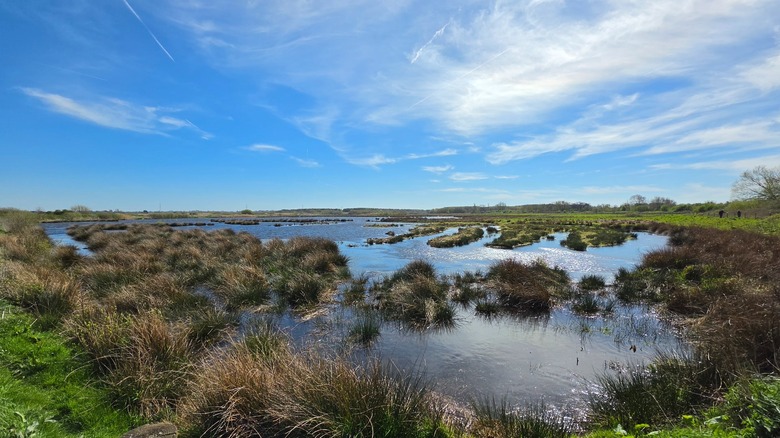
The western coastal region of Britain just north of Wales is rife with hidden nature reserves tucked between charming small towns, where historical artifacts are often uncovered from the soil. One site that has been especially abundant with Mesolithic history is Liverpool's Lunt Meadows Nature Reserve, where the treasure is not only historical, but natural. A trove of waterfowl spreading their wings and small mammals skittering among the underbrush make this spot a perfect day trip for lovers of nature and history alike.
The River Alt flows along the northern edge of the reserve, while the area itself is split, with wetlands and lakes on the western half and patches of woodlands and meadows on the eastern side. This diverse landscape provides habitats for a wide range of wildlife, as well as a small herd of cattle that helps to maintain the grasslands for other species. Their grazing prevents the grasslands from becoming overgrown, which would drive out the creatures that depend on them, per The Wildlife Trust.
Locals and visitors in the beautiful, vibrant city of Liverpool can drive north for a little over 20 minutes to reach this 165-acre reserve. Those arriving from overseas can fly into Manchester Airport (MAN), and drive about 45 minutes. A small parking fee is required to visit, and the reserve is open all year. It only closes after prominent rainstorms, when it functions as a flood storage reservoir.
Scenic trails surrounded by prolific wildlife
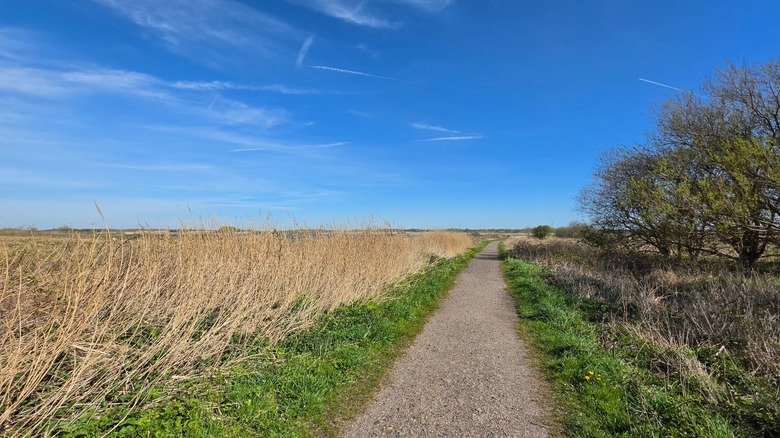
One can stroll through several habitats in the space of an hour on the Lunt Meadows Nature Reserve Circular Trail. The 2.6-mile route takes hikers around the outer edge of the reserve, between the lakes, and through the wetlands brimming with wildlife. In AllTrails reviews, some hikers report that it can be overgrown with brambles at times, but the effort is worth it. As one visitor puts it, "If you love wildlife this is the place for you." Dogs may come along for the journey, but must be kept on a leash at all times.
A new, fully accessible trail has also opened at Lunt Meadows. According to The Wildlife Trust, it runs along the grasslands and provides ample opportunities to see a variety of animals and wildflowers. This is one of the few habitats of the water vole, affectionately known to Britons as "Ratty," which has been driven nearly to extinction due to habitat loss and predation from mink. Nature reserves around the U.K. are working to protect the species, including the North Wessex Downs National Landscape, between London and Bristol.
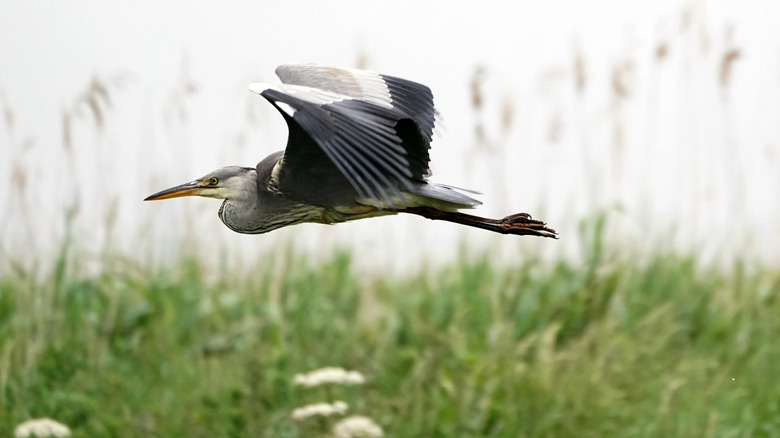
The wetlands are prolific with waterfowl like oystercatchers, egrets, and herons, as well as other bird species such as barn owls, swallows, and lapwings. This park is a birder haven, with over 170 species recorded on eBird over the years. Roe deer graze as field mice scurry past and brown hares leap through the grasses. Wildlife thrives here, and each species is supported by healthy, interconnected ecosystems. Bringing the family along to get away from the screens and witness these creatures up-close may inspire the kids to care about preserving such places someday.
Lunt Meadows is a treasure trove of Mesolithic history
The area that is now Lunt Meadows Nature Reserve was inhabited about 8,000 years ago by Mesolithic people who chose to settle here. The remains of a settlement were discovered in this area, including remnants of roasted hazelnut shells, building post holes, flint tools, and burnt wood. These discoveries provide evidence that this was not simply a temporary stop, but a prolonged habitation which differs from most during that age, as it's believed Mesolithic people typically led a more nomadic life, per The Guardian. Experts believe that they may have chosen to settle down in this area for its biodiversity and proximity to the sea and inland river, a source of both food and water.
The region's acidic soil made the discovery of bone fossils impossible, according to the Lancashire Archaeological Society. This would have allowed for a more informed understanding of the Mesolithic diet, yielding a clearer picture of how these ancient people lived and which animals they hunted for food. Still, this site has provided great insight into the Mesolithic history of the area. For those interested in learning more, the Museum of Liverpool has a regional archaeology collection showcasing many ancient artifacts dating back 10,500 years.
With a combination of rich history, a plethora of wildlife, and stunning scenery all around, Lunt Meadows is worth returning to many times over. The reserve also hosts occasional events, including weekly craft socials led by volunteers. It's the perfect afternoon escape from bustling Liverpool, the U.K.'s coolest big city outside of London, according to Rick Steves.