
Washington's Former Tree Farm Outside Seattle Is Now A Park With Scenic Wetlands, Wildlife, And Trails
Seattle may be best known for its downtown skyline, a diverse coffee scene (including the world's first Starbucks), and panoramic Puget Sound views, but it also has plenty of green spaces that invite outdoor exploration year-round. There are a whopping 489-plus parks in the city — with some perched along the waters of Lake Washington and others offering walks through old-growth forests. This lush beauty extends beyond the city limits, where outdoor lovers can find scenic areas to explore on a refreshing day trip. One such woodsy retreat is the Paradise Valley Recreation Area, about 26 miles northeast of downtown.
Located in Snohomish County, the recreation area engulfs 793 acres of woodlands, wetlands, and gently rolling hills, with miles of mixed-use trails meandering through the reserve. "A jungle like experience. Love going in there for a refreshing walk!" writes one Google reviewer. These thickets of trees are what brought loggers to this region in the 1800s — including the Lloyd family, who homesteaded the particular piece of land that is now this reserve. They managed pasture farms and logged portions of this expansive property at different times, selling the plentiful timber for lumber production. It wasn't until 2000 that this once-private tree farm was acquired and developed for recreational fun, finally opening to the public in 2009.
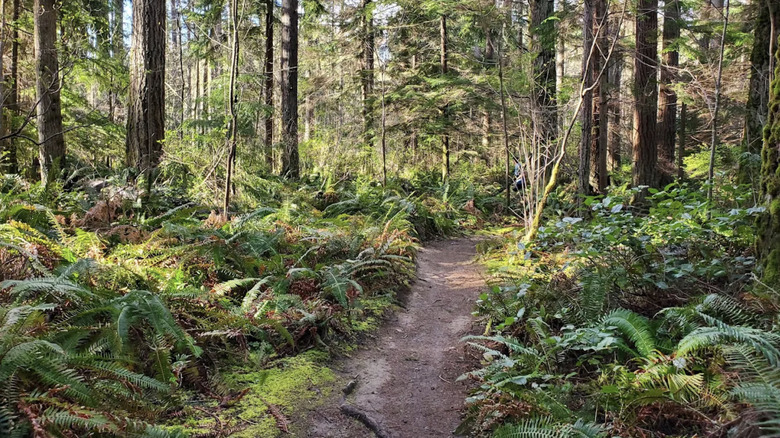
Today, the picturesque setting is easy on the eyes — imagine lush green ferns framing the paths, songbirds darting through moss-covered groves, or filtered sunlight dancing through the quiet of the forest. The reserve is free to enter, Fido-friendly, and opens sharp at 7 a.m. daily. The trail system is the main way to explore, so bring your hiking boots, bikes, or horses, as there are options for everyone.
Paradise Valley Recreation Area's wildlife and trails
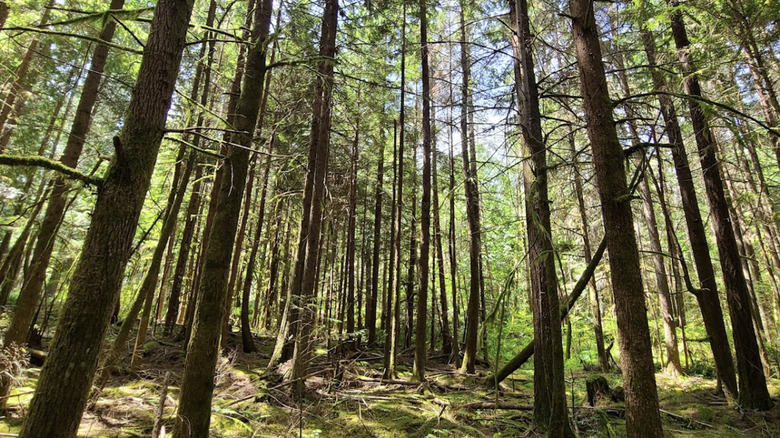
Because the park comprises a mix of dense woods, streams, and wetlands — and protects the headwaters of Bear Creek — there's plenty of wildlife diversity. With binoculars in hand, birdwatchers can scan the landscape for woodpeckers, songbirds (such as the vibrant spotted towhee, varied thrush, and Steller's jay), hawks, and bald eagles. Non-bird species include deer, snakes, beavers, and wild animals such as cougars and bears that tourists should avoid at all costs.
Encounters with these critters are common on trails, and with a web of routes, you can map out your own adventures within this reserve. One past visitor on Google explains that the area has many small loops that connect, allowing you to choose how far you go and that there are lots of signposts at trail intersections, so it's easy to navigate. This easy 4.9-mile looped path is one of the most popular strolls and combines sections of many trails. It wiggles through scenic stretches of verdant forest and past picturesque wetlands, offering plenty of peace in a lush setting. The terrain is relatively flat, with occasional overgrown roots that keep you present as you walk.
For a shorter walk, traverse either the Woodland Plateau and Lloyd or the Ephemeral and Big Leaf loop — both covering less than 3 miles of ground and packing pretty much the same scenery for anyone in a time crunch. For a moderate, fun jaunt, cruise along the Mainline Trail that one biker says was "very challenging at times (many rocks and roots), but most of it was good fun." Set aside around an hour for this canopied, 3.3-mile out-and-back trail that also features some wetland views. If you want to explore more around the area, travel 30 minutes away to Sammamish, a lakeside city with trails, global eats, and local craft beer. Or if you're exploring the Emerald City, read up on the unwritten rules and experience Seattle like a local.