
Waikiki And Lanikai Beach Are Way Too Crowded, Visit This Secluded Hawaiian Paradise For A Quieter Getaway
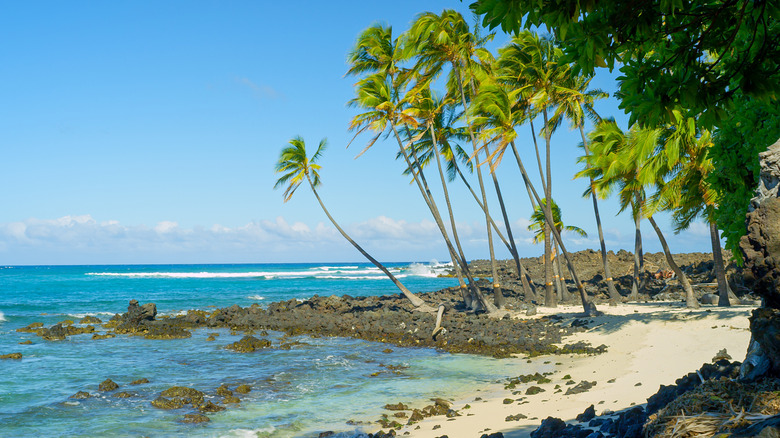
To what lengths would you go for a relaxing day spent on a remote Hawaiian beach? On the Big Island's North Kona coast, Makalawena Beach rewards travelers willing to work a little harder with three secluded crescent-shaped beaches stretching across roughly three-quarters of a mile. Soft white sand meets turquoise water, while jagged black lava rock cuts into the coastline, giving the serene spot a vibe that's dramatically different from Hawaii's busier beaches. Reaching it requires hiking across the rugged volcanic landscape or navigating an unpaved road, but the journey is part of what keeps the shoreline so peaceful.
Hawaii draws nearly 10 million visitors annually, with Waikiki Beach alone receiving nearly 4 million tourists and the Lanikai area seeing more than 15,000 a day. Makalawena Beach offers a much quieter alternative. Instead of high-rises and crowded beachfronts, the surrounding scenery is dominated by lava rock, native vegetation, and open coastline. Makalawena Beach sits within Kekaha Kai State Park, a less touristy area with hikes and numerous secluded beaches. The extra effort it takes to get here helps preserve the sense of solitude, making Makalawena feel worlds away from Hawaii's most heavily visited shores.
Spend the day swimming, snorkeling, and spotting marine life
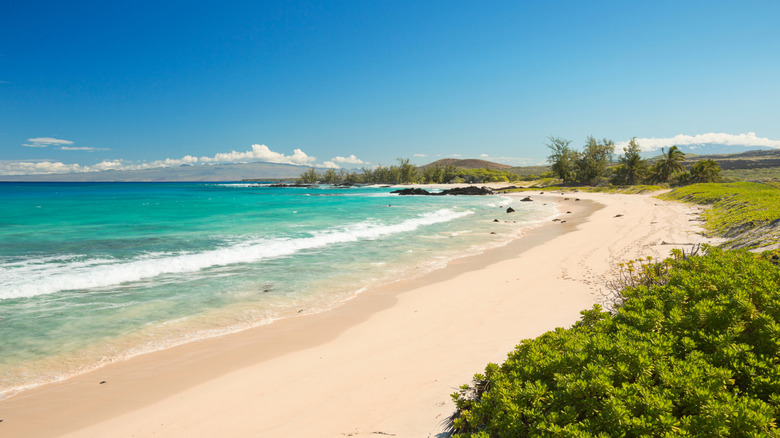
While Hawaii's Big Island is shaped by its five main volcanoes, you wouldn't know that by looking at Makalawena Beach. Rather than being rocky like many beaches on the island, soft white sand lies underfoot. It's a prime spot for viewing some of Hawaii's marine life. Endangered Monk seals rest onshore, while Hawaiian green sea turtles are often spotted near the beach. As tempting as it may be to get closer, visitors should give them plenty of space and admire them from a distance — they need their peace and solitude too!
The sandy shorelines makes Makalawena one of the beaches everyone should visit on a trip to the Big Island, and it's ideal for snorkeling and swimming. Here you'll find coral reefs spread across the ocean floor teeming with marine life. The water is usually calm, but bodyboarding is another possibility depending on the surf. With no lifeguard on duty, visitors should check a reputable real-time wave and swell report before entering the water. Hawaii's ocean conditions can change quickly, so if the surf is high or the water looks rough, it's best to stay on shore.
Getting to this remote beach requires a little extra effort
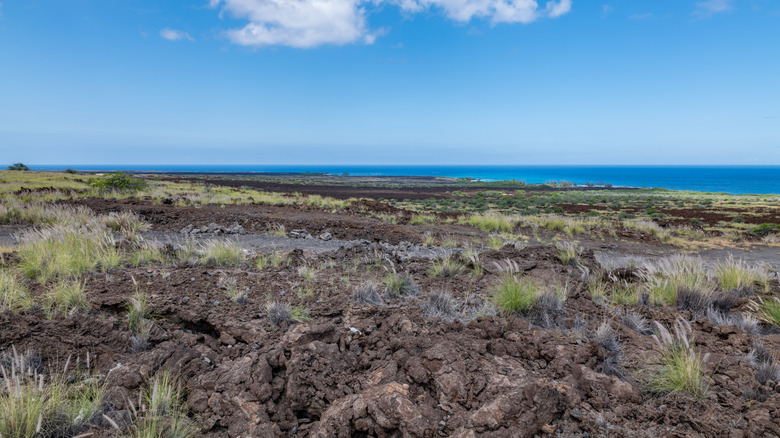
Reaching Makalawena is part of the adventure, and there are several ways to do it. From Highway 19, a scenic Hawaii drive without the crowds, most visitors enter the Mahai'ula section of Kekaha Kai State Park and follow the rough, unpaved access road toward the parking area. The road can be difficult for low-clearance 2WD vehicles, so drive carefully. Access on foot begins near Ka'elehuluhulu Beach, where the Ala Kahakai: Mahaiula Trail heads north past Mahai'ula Beach before continuing over volcanic terrain to Makalawena. The 1.8 mile out-and-back route has no elevation gain, but visitors will cross uneven volcanic rock and stretches of sand before reaching the beach. Leave your flip-flops in your backpack — the hike is not strenuous, but the terrain is uneven, so sturdy closed-toe hiking shoes will be your best friend. There's also little shade, so slather on reef-safe sunscreen, dress accordingly, and wear a hat.
Travelers with a 4WD vehicle have another option: A rough 1.6-mile road from Highway 19 leads to a small parking lot closer to the beach. But the road is rocky and has lots of potholes, so be sure that your vehicle is suitable for this type of adventure before putting your tires to the test. Travelers without an appropriate vehicle can park before the road becomes rough and continue on foot. Whichever route you choose, start early. To catch the most vivid sea colors, it's best to visit in the morning while temperatures are cooler, and the park opens at 8:00 a.m. Leave enough time for the return hike before the park closes at 6:30 p.m. and its gate closes at 7:00 p.m.
The land is largely undeveloped, which means that visitors should arrive prepared. There is little to no shade and no place on the beach to buy food, refill a water bottle, or pick up forgotten reef-safe sunscreen. So pack plenty of drinking water, sun protection, food, and anything else needed for the day. For all the heat, rough terrain, and lack of amenities, Makalawena makes a strong case that, like all good things, the quieter corners of Hawaii are worth the journey.