
Kansas Is Changing Its State Park Fees November 1 — And Campers Are Losing A Popular Permit
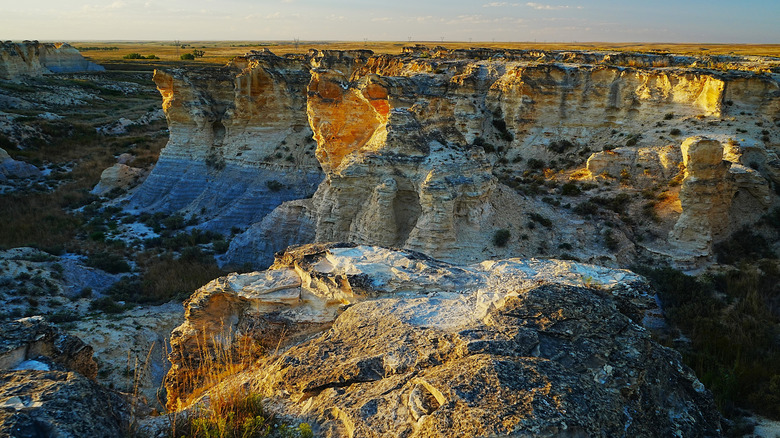
Travelers to the Sunflower State will face higher fees at its state parks, paying more for everything from parking to utilities. The recently passed changes also eliminate a popular annual permit for campers. The Kansas Wildlife and Parks Commission approved the changes, which go into effect on November 1, at a meeting in late August.
The fee increases boost the primary funding source for Kansas's state parks. State Parks Director Conner O'Flannagan cited inflation and rising costs over the last decade as the main drivers of the price increases in an interview with local news station KOAM (via YouTube). "Until there's some other option to where we have other funding, we're basically forced to be able to use fee funds and make that adjustment to get that revenue that way." In other words, the commission was forced to make some tough choices at the detriment of travelers' wallets.
The new prices may induce sticker shock. Annual vehicle permits are up 56%, from $25 to $39. Even the discounted Kansas State Park Passport, which gives residents unlimited entry to all the state's parks with their vehicle registration, will nearly double from $15.50 to $30.50. Daily vehicle permits will go up from $5 to $7. "Many of the issues we face don't come with a single right or wrong answer," Kansas Department of Wildlife and Parks Secretary Christopher Kennedy said in the department's statement. "They require judgment, balance, and collaboration." The increases join a wave of impactful changes to tourism fees taking effect in 2026.
Camping permits face big changes
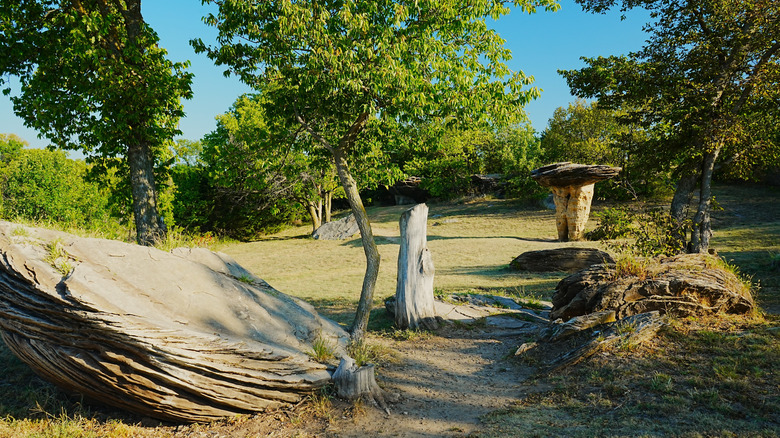
Perhaps the biggest change for frequent travelers and campers comes with the commission's total elimination of its annual camping permit. The pass, which costs between $202.50 and $252.50, will be nixed after November 1, 2026. O'Flannagan said in the same interview that the low cost of the annual permit created a big hole in the budget, making its elimination logical.
The state's other camping permits will see significant price increases as well, with daily permits increasing by 40% and two-week camping permits by nearly 50%. Utility fees for campers who need water and electricity are increasing as well. It means travelers will have to up their budgets when visiting destinations like El Dorado State Park, Kansas' largest state park, with outdoor adventure, camping, and cabin rentals.
It leaves travelers with fewer free or low-cost places to visit in the Sunflower State. The last one standing, Kaw River State Park, is a free-to-visit scenic Topeka gem with trails and river fun. But one out of around 30 parks may be little consolation for locals and visitors alike, something Secretary Kennedy acknowledged in his statement. "We take the public's input seriously as we navigate complex situations," he said. "We have a shared responsibility to steward fish and wildlife populations and manage our parks and public lands in ways that meet Kansans' expectations."