
Sandwiched Between Manchester And Birmingham Is A Storybook Town With Scenic Trails And Castle Ruins
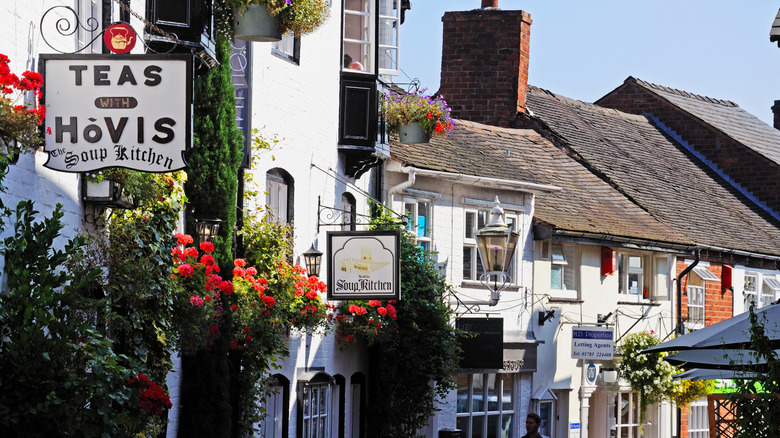
Measuring over 1,000 square miles, the landlocked county of Staffordshire is located in the heart of England. The county town is Stafford, which developed as an Anglo-Saxon stronghold in the 10th century and later evolved into a market town before becoming a hub for a variety of industries, including shoemaking and textiles. Today, the town's center boasts well-preserved buildings such as the famous Ancient High House, an architectural Tudor marvel that now houses a museum, the historic Swan Hotel that once hosted Charles Dickens, and the storybook facades of charming Church Lane.
For those who want to enjoy nearby nature, the town's urban bustle is relieved by the green oasis of Victoria Park on the River Sow, while a walking loop also encircles the ruins of the Stafford Castle, a Norman fortification occupying a hilltop mound near town. For even more active pursuits, Staffordshire's nearby sprawling Cannock Chase National Landscape, a protected countryside of forest, heathland, and grand estates, can be traversed by miles of paths.
Stafford is about 30 miles north of Birmingham and nearly 60 miles south of Manchester. The town is easily connected to both of these cities by car or public transportation. If you're planning to spend time outdoors exploring Stafford's quaint town and surrounding nature, June through September offers the warmest weather, with average high temperatures in July at 69 dgrees Fahrenheit.
Exploring the historic charm of Stafford
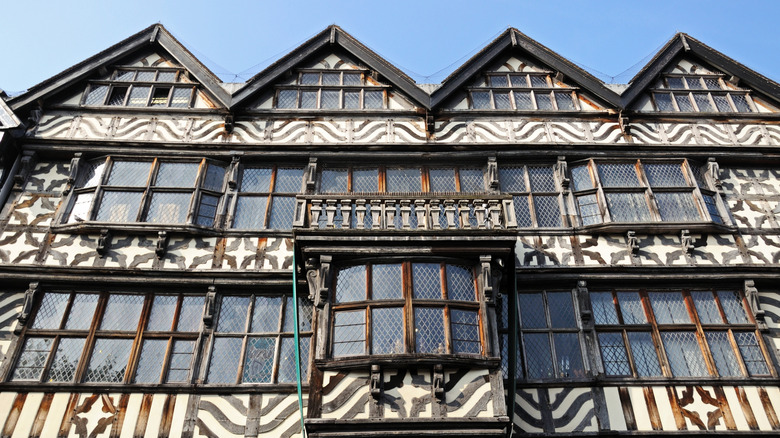
Stafford's walkable streets, historic facades, and picturesque riverfront setting create a storybook ambiance. The town is anchored by Market Square, where the town's markets have been held since at least the late 13th century. The 18th-century Shire Hall, designed in a stately Neoclassical style, overlooks the square, and the Stafford Farmers Market is still held here on the second Saturday of the month (except in January, when there is no market). Extending from the square is Greengate Street, Stafford's commercial pedestrian thoroughfare, which is lined with shops and restaurants. One of Stafford's best-known landmarks is the Ancient High House, a fanciful timbered facade that is the "largest remaining timber framed town house in England," according to the Stafford Borough Council. It was constructed in the late 16th century as a private residence, and is now a museum open to the public. Visitors can tour the interior of the Ancient High House for free to explore the well-preserved rooms adorned with art and antiques, as well as temporary exhibitions.
A few steps away is The Swan Hotel, an 18th century coaching inn that has welcomed guests for over 270 years. Even if you're not staying overnight, you can still stop for a meal at the restaurant, which serves classic and modern British fare, such as fish and chips, specialty hotdogs, and a pie of the day. A short stroll from Greengate Street will bring you to the fairytale Church Lane, a quaint path flanked by darling cottages festooned with flower boxes. Here you'll find The Soup Kitchen, a cozy restaurant housed in a 16th-century building. You can enjoy the full English breakfast, which Rick Steves recommends ordering when in Great Britain, or sample the traditional afternoon tea service with homemade treats.
Stafford's castle ruins and scenic trails
A short walk from Stafford town center will bring you to Victoria Park, a lush 5-acre park on the River Sow. Opened in 1908, this historic park has paved paths for a peaceful stroll along the river, a sensory garden, and children's play areas. For a larger expanse of nature, head south of Stafford to Cannock Chase National Landscape. This National Landscape covers about 26 square miles of heathland, forest, and farms and is crossed by nearly 100 miles of trails. An easy forested trail is the mile-long Ladyhill Trail, while those seeking a longer route should embark on the 10-mile Cannock Chase Heritage Trail, which links the towns of Cannock, Hednesford, and Rugeley for walkers and cyclists.
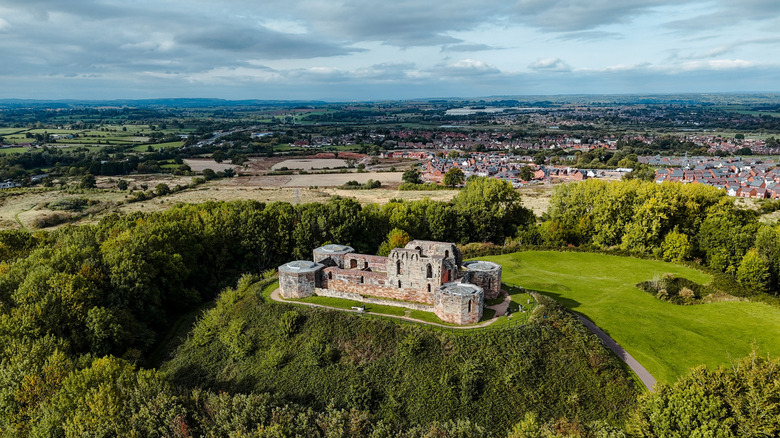
History fans shouldn't miss Stafford Castle, the ruins of which sit atop a hill overlooking Stafford. While a fortification was first constructed here centuries ago, the surviving ruins of the stone castle seen today largely date to a reconstruction in the early 19th century. Stop by the visitor center first to learn about the history before embarking on the walking loop trail through the nearly 30-acre site. You can even go inside the fortified keep, the central stronghold of the castle, that was also rebuilt in the 19th century. "Exploring the castle grounds is a treat in itself, with scenic walking paths that wind through the ancient walls and towers," raved one reviewer on Google Maps.
After exploring Stafford, drive roughly 30 minutes north to Staffordshire's Stoke-on-Trent, a city with a vibrant food scene, beautiful pottery and family fun. About an hour's drive south of Stafford is Birmingham, considered by some to be the United Kingdom's most underrated city, and home to Birmingham Airport (BHX).