
South America's Underrated Retirement City Is An Affordable Gem With Lively Music, Festivals, And Eats
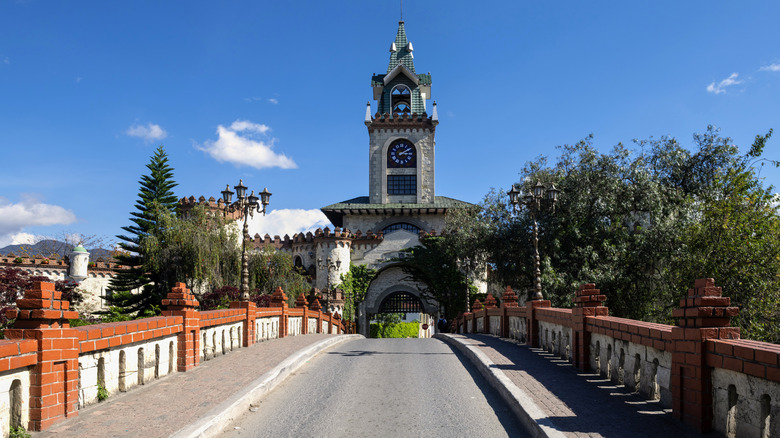
Americans work hard for years dreaming about what retirement might look like, and for some, that means starting an entirely new chapter abroad. More than 425,000 retired Americans are estimated to live in Central and South America, drawn by everything from warmer weather to a lower cost of living. You'll find both in Loja, Ecuador — with its stunning colonial architecture and charming cobblestone streets, it has all of the makings of a storybook retirement town. Terracotta-tiled roofs spread across the city beneath the green hills of the Andes, while markets and cafés, music and nightlife, offer retirees a colorful fabric of community.
Tucked into Ecuador's southern Andes, Loja is filled with historic public squares, parks, and green spaces. The Rio Zamora and Rio Malacatos run through Loja, adding riverways to the scenic elements of everyday life. At Jipiro Recreational Park, 10 hectares of grounds include replicas of landmarks such as the Eiffel Tower and the Kremlin, along with botanical gardens, paddle boats, a swimming pool, and horseback riding. Loja feels distinctly lived-in rather than built around tourism. Its reputation as one of Ecuador's cultural hubs shows up in the city's theaters, music traditions, festivals, and public events throughout the year. That combination gives retirees access to an active cultural calendar without needing to settle in one of the country's larger cities.
Loja blends affordable living with a rich and colorful cultural scene
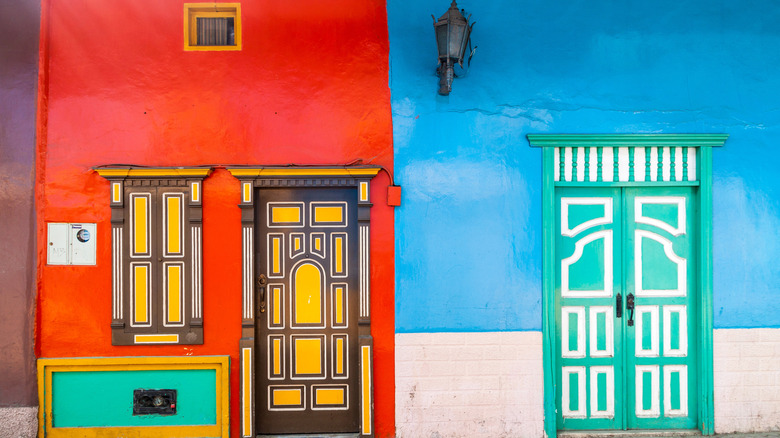
Loja has many of the things retirees look for in a new home without the price tag associated with a major city. Ecuador is among the countries where $2,000 a month can be enough to retire in comfort, and affordability remains one of Loja's biggest draws. Fresh produce, transportation, and dining out can cost considerably less than many Americans are accustomed to paying. International Living estimates that a couple can live quite comfortably in Ecuador for less than $23,000 a year. Loja also has a much smaller expat community than more popular Cuenca, which is also famous for cultural flair. English is less widely spoken though, so knowing some Spanish can make daily life and connecting with residents easier.
That local identity is especially visible in Loja's music scene. Known as Ecuador's Cultural and Musical Capital, the city is home to two orchestras, the Loja Symphony Orchestra and the Loja Municipal Symphony Orchestra, as well as the Salvador Bustamante Celi Higher Conservatory, an esteemed music school with approximately 700 students and 80 teachers in residence. Visitors and residents can also explore the Museo de la Música, which is home to authentic instruments used in traditional Ecuadorian music. Venues such as the Teatro Bolívar host performances throughout the year, while the theater's monthly Martes de Folklore showcases local music and dance.
Each August, thousands of devotees accompany the Virgen del Cisne on a pilgrimage from El Cisne to Loja, where the statue remains until November 1. Its arrival marks the beginning of weeks of religious and cultural activity in the city. In early September, the Noches del Peregrino fill the area around Loja's cathedral with music, dance, fireworks, and elaborate "castillos," culminating on September 8 with an outdoor Mass and procession through the city center. In November, the Festival Internacional de Artes Vivas brings live performances into theaters and public spaces around the city.
Cafés, markets, and local flavors shape daily life in Loja
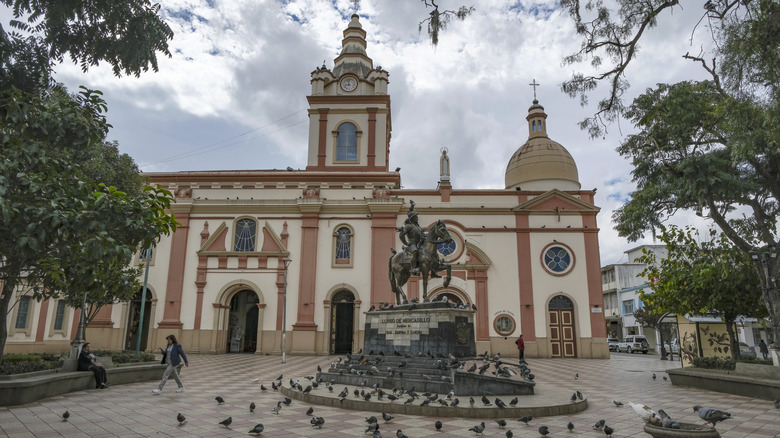
Much of Loja's café and restaurant scene is concentrated around Parque Central and the surrounding streets of the historic center, including 10 de Agosto, Simón Bolívar, and Bernardo Valdivieso. Alongside traditional Ecuadorian fare, the city also has international dining options including Mexican, Italian, and Cuban cuisine. Loja's university population also helps keep these central areas lively, with students and locals gathering in cafés and public spaces throughout the day.
The surrounding region produces coffee, and Loja's café culture is part of Ecuador's broader reputation for the drink, with the country earning a spot among 2025's Top 5 Coffee Destinations In America. More than 200 mapped cafés are listed on Pulled Coffee's city directory for Loja. One popular spot, the award-winning Emporio Lojano, sits in a century-old heritage building along a pedestrian stretch of Calle 10 de Agosto. Cronopios Coffee House – No. 36 on The World's 100 Best Coffee Shops list — serves specialty coffees sourced from local producers in the heart of the city. Both are included on Loja province's official Coffee Route.
Traditional food is just as much a part of daily life as coffee, and regional dishes such as repe lojano, cecina lojana, tamales, and empanadas introduce newcomers to southern Ecuadorian cooking. Loja's markets are gathering places that connect the city with the surrounding agricultural region, with growers from rural parishes bringing fresh fruits, vegetables, and other products into town. The Mercado Central is the city's oldest and largest market, housing farmer's stalls and vendors of everyday goods as well as eateries on its upper level. The city's Indigenous heritage is reflected in its food scene too, with highly-rated Kichwa restaurants like El Recreo serving traditional dishes.