
Where Is The Oldest University Botanical Garden In The World?
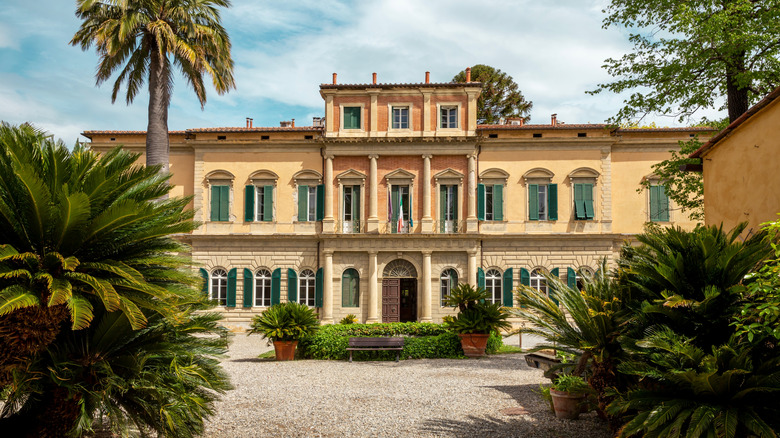
The natural world has an air of mystery that draws travelers to gardens and greenhouses, where dazzling plants can be admired up close. Today's botanical gardens may be considered tourist attractions, but some of the earliest examples were conceived as laboratories. The very first of these was established at a university in Italy nearly 500 years ago. The Orto e Museo Botanico at the University of Pisa is the world's oldest university botanical garden, founded in 1543, according to the Consortium of European Taxonomic Facilities (CETAF). It contains thousands of plants, from African desert succulents to Mediterranean herbs, and its museum preserves centuries of specimens used for botany.
Renaissance botanists aimed to understand the abundant range of plants through gardens designed primarily for study. The University of Pisa's botanic garden, the first of its kind, was created by botanist Luca Ghini specifically for students to learn about medicinal plants. It was moved to its current site in 1591, close to the Piazza dei Miracoli – home of the famed Leaning Tower — where its approximately two hectares now hold some 3,000 plants from around the world. The collection is categorized into seven sections arranged around plant types and historical periods. You could easily spend a couple hours at the gardens on a visit. Plus, its central location near other Pisa landmarks makes it easy to fit into a 24-hour itinerary for the popular Italian city.
What to see at Pisa's Orto e Museo Botanico
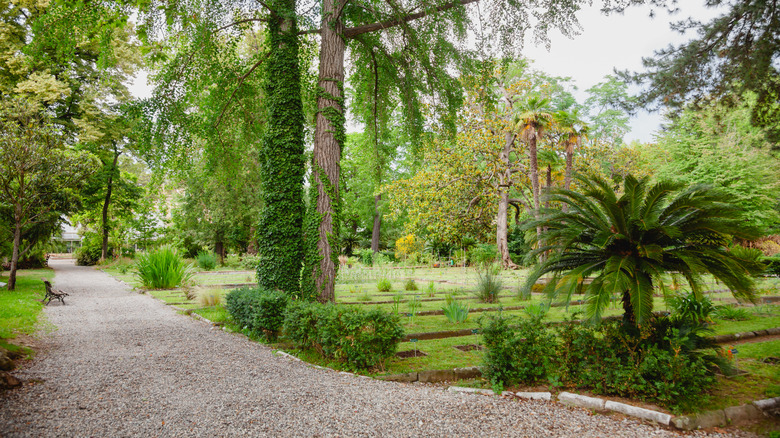
The Orto e Museo Botanico features interconnected walking paths dotted with benches and shady trees. Many previous visitors have found the gardens to be more low-key and quiet than usual tourist spots. "The Pisa Botanical Garden was the perfect place to escape: it was cool and shady, and I had the place to myself," travel blogger Bewitched By Italy writes. There's a small admission fee, but it's free to visit on the first Sunday of each month, making it ideal for exploring Italy on a tight budget.
The Scuola Botanica, or Botanical School, is the oldest section, dating back to the late 16th century. Here, the plants and paths are organized in orderly rows. Look for around 150 types of salvia, which are part of the sage family, alongside edible wild plants. As the paths converge in the Piazzale Arcangeli, they become less structured and more winding, with Chilean wine palms looming above. Towards the far side of the garden is a small artificial lake you can relax by. Stop in some of the greenhouses, too, which showcase more climactic variety, including succulents and banana plants.
If you're interested in the history of the garden, it's worth stepping inside the two-floor Botanical Museum, too. Be sure to check ahead that it's open, as the museum was temporarily closed after earthquake damage, at the time of writing. Among its exhibitions are a trove of 19th-century plant models and the original "Studiolo," where the garden's seeds were studied. You can also see some dried specimens dating back centuries from the Herbarium, which is otherwise only open to researchers. Once you've had your fill of botanical beauty, you could follow a couple of Rick Steves' recommendations for things to do beyond the Leaning Tower of Pisa.