
Texas' In-The-Works Park Near Mexico's Border Is Anticipated To Be A Total Remote Desert Mountain Paradise
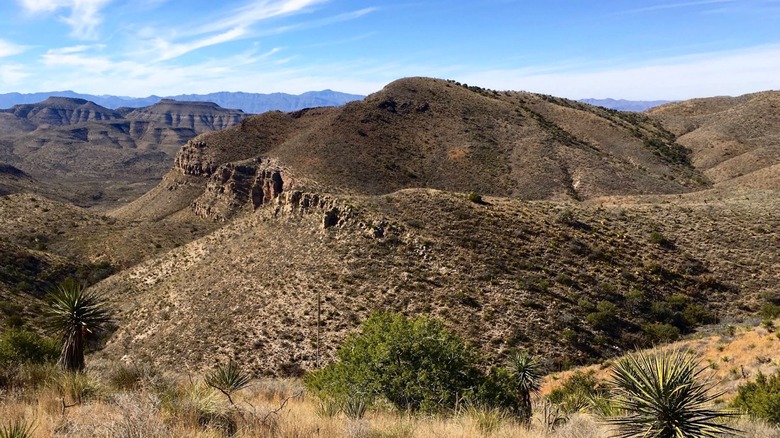
In the middle of the Far West Texas desert, a new public-land destination is taking shape. The nearly 39,000-acre Chinati Mountains State Natural Area is currently under development and will preserve a section of where the Chihuahuan Desert rises into the rugged mountains along the state's southern border. Plans call for a deliberately low-impact park where camping, stargazing, and other outdoor activities can take place in this secluded terrain. Hiking is set to be one of the main draws, with Marfa Public Radio reporting that plans call for between 50 and 100 miles of trails and that several existing stone cabins may be repurposed for day use or as backcountry shelters.
This isolated corner of the state is best explored by car, and the closest big cities are still quite a drive. The park is over 600 miles southwest of Dallas, just under 500 miles west of San Antonio, or about 300 miles south of El Paso. The main entrance is planned to be about a 30-minute drive from the border town of Presidio, a charming Texas getaway with a rich history. This will be the last stop to refuel, grab a bite to eat, and stock up on any supplies you may need before you head out. Mexico lies directly across the Rio Grande, which carves the border between the two countries. If you're looking to further explore the unique small towns of the region, the artsy West Texas town of Marfa is another worthwhile stop just under 90 miles away.
The remote borderland landscape defines this part of the Lone Star State, and though the land has been in state hands since the 1990s, the lack of public access roads has delayed its development. Planning for the natural area, including a public input process, is now complete, with leadership reviewing the final plan. Though no official opening date has been announced at the time of writing, local news outlets report that it's projected to open in 2032. A lucky few outfitters are expected to have limited small-group access ahead of the full opening.
Desert meets mountains in the remote Chinati Mountains
Chinati Mountains State Natural Area rises from low desert terrain toward higher elevations, with a roughly 4,400-foot elevation change across the protected lands. Cacti, yucca, and other desert plants dominate the lower regions, while higher landscapes transition into open oak woodlands. Along riparian areas, cottonwoods and willows add ripples of greenery within the otherwise arid surroundings.
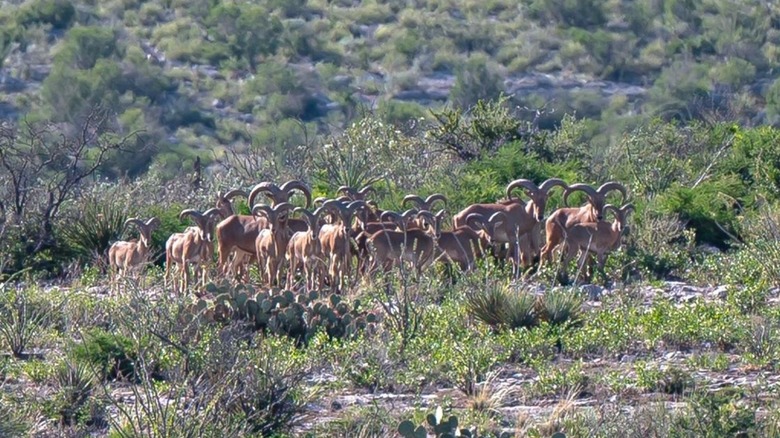
Steep canyons and rocky slopes dominate the landscape that is home to plenty of uniquely adapted wildlife like white-tailed and mule deer, bats, birds, and reptiles. The rare Dixon's whiptail lizard is also found here and only in a few other locations, adding to the area's ecological significance. One Google reviewer shares, "If you're looking for the last area of Texas that still has million-dollar views, peaceful living, free-roaming deer, black bears, goats, horses, burros, peacocks, cows and javelinas, this is the place."
Stargazing will be a natural fit for the future park, thanks to the region's exceptionally dark skies and minimal development. Notably, the area is already covered by a designation from DarkSky International. Since the goal is to preserve a wilderness experience, a trip here may appeal to travelers seeking a deeper connection to nature rather than a long list of amenities. As there is still plenty of time before most travelers can head to the Chinati Mountains State Natural Area, for those who can't wait to explore the less-traveled deserts of West Texas, Big Bend National Park offers another remote wilderness experience about 130 miles to the southeast.