
Near Blackpool Is An Underrated Market Town With Roman Roots, Local Markets, And Tasty Restaurants
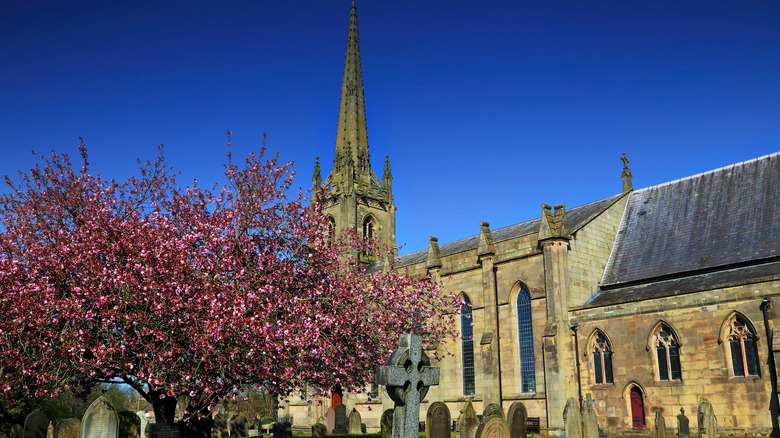
Once England's prime holidaymaking hotspot, welcoming tourists in the millions, the Lancashire coast may not score quite the same numbers today, but it has kept its appeal. One of the reasons why tourists still visit Blackpool and Morecambe is, undoubtedly, the joy of being by the seaside. Another less obvious reason is that this coastal region is surrounded by a plethora of underrated market towns, whose fascinating history and foundations vastly predate resort towns the likes of Blackpool. When the latter was still no more than a tiny village, the neighboring town of Kirkham was already centuries old, established before the Romans settled in Britain, and even featured in the Domesday Book of 1086 – England's largest, most comprehensive record of land settlements at the time.
Not just for history aficionados, Kirkham is also a good place to enjoy traditional weekly and monthly markets selling artisanal goods and local fresh produce, and to get a taste of the region's many independent and family-owned shops and restaurants. Compared to Lancashire's famous market towns (for example, Burnley), Kirkham is a more tranquil alternative. In fact, despite its diverse offer and rich heritage, Kirkham has not attracted as much attention as wished, according to its locals (via the Lancashire Telegraph).
The town is within easy reach of bustling Blackpool, with its prime pier by the sea and amusement park vibes that make it "England's own Coney Island", per Rick Steves. Lancashire's coastal capital is only 8 miles (or about 20 minutes) away from Kirkham.
Kirkham has Roman roots and plenty of historic sites
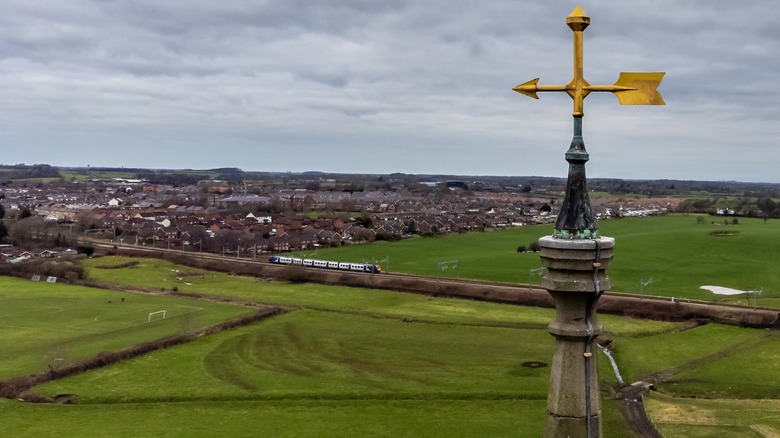
Kirkham is one of the region's oldest communities, predating the Romans settling in the area. Its name, roughly translating to "village with a church," points to Norse and Anglo-Saxon roots. One of the town's now-lost heritage sites is the Kirkham Roman Fort, which would have stood in what is Kirkham's town center. The presence of such a settlement in the region, far from being an outlier, is quite typical, as England's Northern regions were once the epicenter of Roman Britain. Other examples include York, dating back to Roman times, and, incidentally, famed for being the most haunted city in Europe.
While Kirkham's Roman sites have not survived, there are still plenty of heritage from subsequent eras. Visitors can explore the Kirkham Windmill, built in 1812 on a hill site that had been used by millers since the 14th century, and see a specimen of the town's last textile handloom from 1915, which is free to access and located right by the train station. As you walk down Kirkham's main street, you can see another remnant of that era: the grandiose Saint Michael's Church, erected in the mid-19th century on a site that had been used for worship since 634AD.
If visiting a Roman fort while in the area is still on your to-do list, you can head to nearby Ribchester, a 40-minute drive away. There, you can visit the Roman Bath House dating back to approximately 100AD, as well as ruins of a fort that was previously built on the site. The ruins are just a stone's throw from the Ribchester Roman Museum, the only museum in the region dedicated exclusively to Roman antiquity.
Enjoy local markets and tasty restaurants in Kirkham
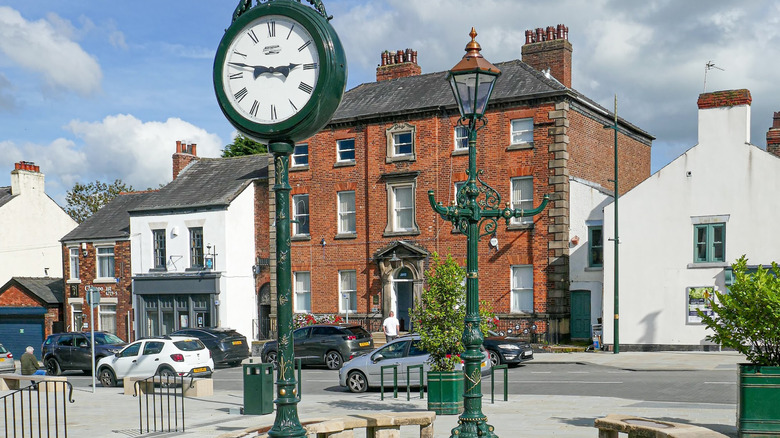
Kirkham hosts a weekly Thursday market and an artisan's market, the Kirkham Courtyard Market, every second Saturday of the month. Both take place in the market square and feature fresh produce stalls, including bakeries and cheesemongers, as well as artisanal wares and local crafts. The markets are an important part of community life in Kirkham, and you can still see historic remnants of this long tradition, for example by observing the 19th-century "fishstones" in the town center — signaling the spot where the traditional fish stalls would be — still preserved in the middle of the market square.
The town also has plenty of independent eateries, from breakfast stops to higher-end bistros and country-style pubs. A locally-beloved spot is Book Bean & Ice Cream, a cafe and bookshop which also sells cakes and ice cream all day. For a heartier meal, visitors can opt for a typical pub lunch at the Kingfisher Bar & Kitchen, which also does a traditional Sunday Roast, or head to Scott's Bistro for a fancier option. On the menu, you will find British classics like steak and ale pie, venison, and sirloin steak. Alternatively, for a taste of Southern U.S. cuisine, diners can head to Henry's Smokehouse on the outskirts of town –- serving classics like brisket, burgers, and BBQ.
Visitors who want to round up their visit to the region with a taste of urban Lancashire can head to nearby Preston (8 miles, or about 20 minutes away), a vibrant city with walkable streets, fun boutiques, and a music scene representative of the region's famously revolutionary musical culture.