
Under Two Hours From Sioux Falls Is A Lakeside Archaeological Site With Native American Artifacts And A Museum
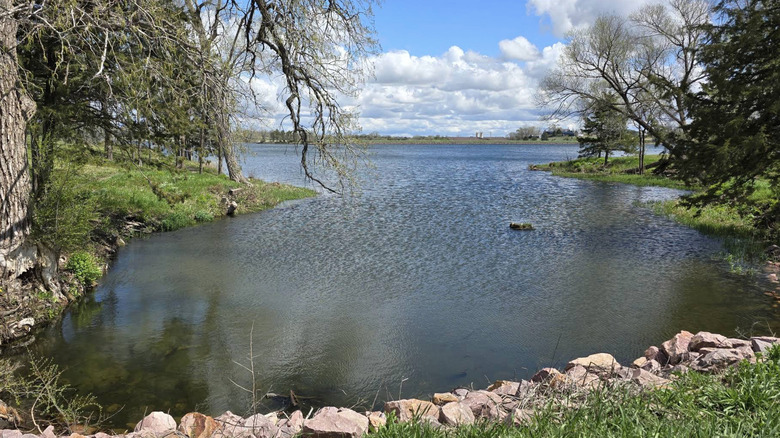
Across the Great Plains, humans have been hunting, trading, and building villages long before European colonization. While today's South Dakota is perhaps better known for its roadside sculptures and Mount Rushmore, one of the tangible places to encounter its older human history is a roughly 1,000-year-old, preserved Indigenous Plains village site called the Mitchell Indigenous Archaeological Site and Museum. Visitors to the site can see traces of its ancient community being uncovered in real time at the active excavation site, while an adjoining museum showcases some of the region's artifacts and a full-scale earthen lodge you can walk into. The whole site sits on the grassy shores of Lake Mitchell, with a walking path and immersive outdoor exhibits, less than an hour-and-a-half from Sioux Falls by car.
The site was once a substantial village inhabited by what archaeologists identify as people from the Middle Missouri tradition, who lived sometime around the year 1,000 A.D., reports The Past. The village thrived for 100 to 150 years. Residents lived in large earthen lodges and grew crops like corn, beans, squash, and sunflowers. Archaeologists have found charred seeds and a bone grease rendering pit, which offer a glimpse into how the people ate and stored their food. Ditches and other defensive features surrounded parts of the village, per the South Dakota State Historical Society.
The fact that visitors can see the remains of the actual settlement here is unusual — as The Past notes, most village sites from the same period were destroyed by later agricultural activity and damming. This site escaped the same fate as it was on Mitchell city property, far enough from the developing center to remain untouched. Its intact traces cement Mitchell as a unique roadside stop for your next long drive.
What to see at the Mitchell Indigenous Archaeological Site and Museum
The Mitchell Indigenous Archaeological Site consists of three sections: the Thomsen Center Archeodome, the Boehnen Memorial Museum, and an outdoor interpretive area. The archeodome is where the active digging happens. An enormous dome covers the excavation itself, where visitors can look down into the exposed remains of the Indigenous village. It's used by archeologists in the summer and during special events, making it the only place in the state where you can see an active dig, per Travel South Dakota. Certain programs even allow you to get hands-on — past events have invited visitors to help experts clean and organize artifacts.
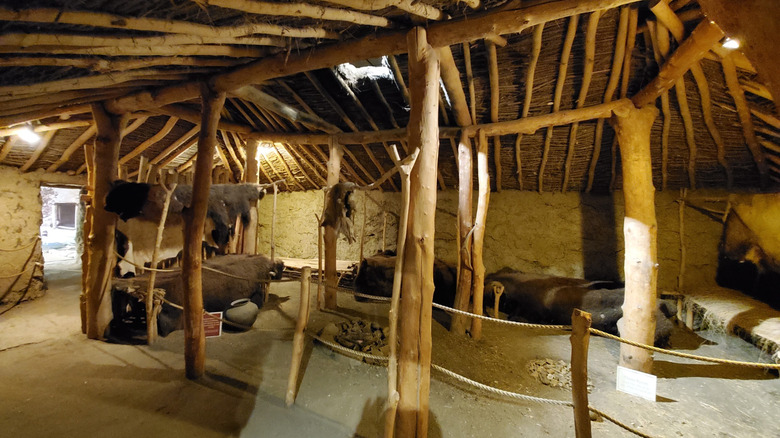
After watching the dig team in action, stop in the Boehnen Memorial Museum to learn about the people who lived here. You can step into a reconstruction of the earthen lodge villagers would have lived in at the time. The museum also displays a full bison skeleton and artifacts unearthed from the site, like bone fish hooks, pottery fragments, and shell accessories. While you have to pay for admission to the site, guided tours of the museum are included with the cost.
Outside, the site opens onto Lake Mitchell. Its grounds offer a peaceful way to experience the land around the village remains. It includes Audrey's Garden, a living exhibit of native plant species, and a Kids' Dig zone. By the water, there are some grassy patches and seats to rest on or picnic. You might spot some birds drifting over the lake, including snow geese and black terns, according to eBird. Afterward, head into downtown Mitchell to see its giant, free-to-visit roadside Corn Palace. Or you could drive back towards Sioux Falls to see its artsy attraction, the SculptureWalk.