
Eastern America's Largest USFS Wilderness Area Is A Secluded Appalachian Haven Full Of Wetlands And Waterfalls
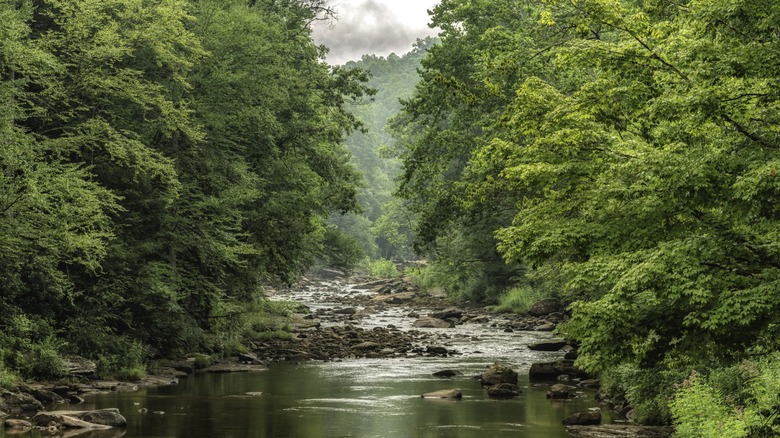
If you're looking for a spot to backcountry camp and get away from the city for a day or more, drive to the Monongahela National Forest — "the Mon," as locals call it — in eastern West Virginia. The forest covers 919,000 acres stretched across the Allegheny Mountains, with eight wilderness areas, giving you plenty of room to spread out. But only one holds the title of the Forest Service's largest wilderness area in both West Virginia and the eastern U.S.: Cranberry Wilderness. It's a 47,815-acre nature retreat, tucked on the forest's southern side, featuring waterfalls, winding rivers, rare wetlands, and miles of backcountry hiking trails to explore.
The U.S. Forest Service describes the Mon as "endlessly wild and wonderful," and that's exactly what's in store for anyone visiting Cranberry Wilderness. Hikers come to tackle the 16 named trails that cover 70 miles of the secluded Appalachian wilderness. Inside, you'll find tributaries of the Williams and Cranberry rivers, peaks rising over 4,600 feet, and open valleys that stretch across the Allegheny Plateau. A mix of northern red oak, maples, and other Appalachian hardwoods and red spruce is a habitat for black bears, white-tailed deer, and bobcats, among other species.
Located in Pocahontas and Webster counties, north of Hillsboro off Highland Scenic Highway, you'll need more than a day to fully explore. Since it's roughly 120 miles from Charleston, it's more suitable as a backpacking destination. So, be sure to come prepared with all your essential camping gear and remember to practice Leave No Trace principles. The forest is open all year. The best part? You don't need a permit to camp, and there is no fee, but the retreat requires that you keep your group to 10 people or fewer at each site.
Escape into the wild backcountry at the Cranberry Wilderness Area
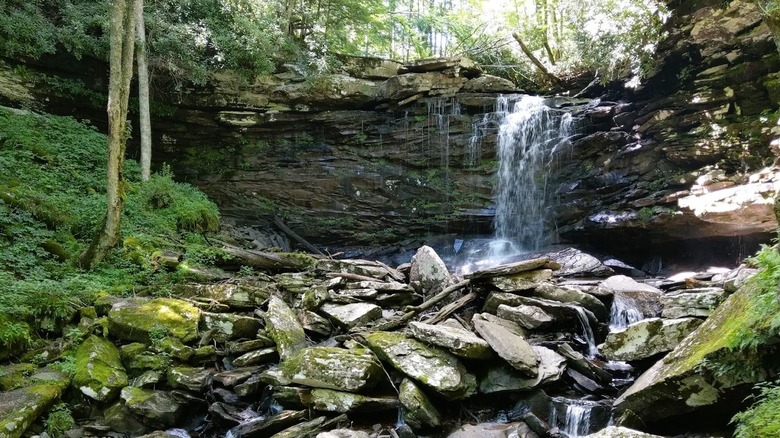
Outdoor enthusiasts can find many ways to experience the wild side of Cranberry Wilderness. Perhaps the most interesting feature is the Cranberry Glades Botanical Area, West Virginia's largest bog, adjacent to the wilderness area. Accessible by a short, half-mile boardwalk loop, the rare acidic wetlands are filled with spongy moss, blooming orchids, and a variety of insect-eating plants. On the trail, be on the lookout for reptiles and listen for songbirds, woodpeckers, or spot waterfowl wading in the shallow waters.
There are waterfalls aplenty in the backcountry, too. Near the glades, start with the Falls of Hills Creek Trail to see three waterfalls. You'll need to climb steps to get to the viewing areas, but past hikers always find the trek rewarding, with one AllTrails user saying, "Lots of steps but worth it! Gorgeous falls." If you want a more secluded wilderness adventure, head to the Big Beechy and Middle Fork Loop on Sugar Creek Mountain. While hiking this 19-mile loop, backpackers often highlight the flowing streams and waterfalls, including one near the campsite. "Beautiful trip, around mile 10 there's a campsite overlooking one of the largest waterfalls just after the steep rocky decline," remarked a recent hiker. If you're day hiking, the Lick Branch Trail is more suitable for you. The wilderness brochure mentions "small waterfalls and cascades" along the lower half of the trail.
Of course, there are other activities for nature lovers, including fishing, hunting, and swimming, and you can visit in winter for cross-country skiing. Just keep in mind, you'll be in the remote backcountry, so expect sketchy cell phone service, unblazed trails, and limited signage. Having an offline map or satellite connection will come in handy here. When you're ready to explore more of the area, check out the top trout fishing spots in Pocahontas County, nicknamed "Birthplace of Rivers" for its many streams and waterways.