
Between Newcastle Upon Tyne And Eyemouth Is A Charming Coastal Village With Historic Ruins And Famous Seafood
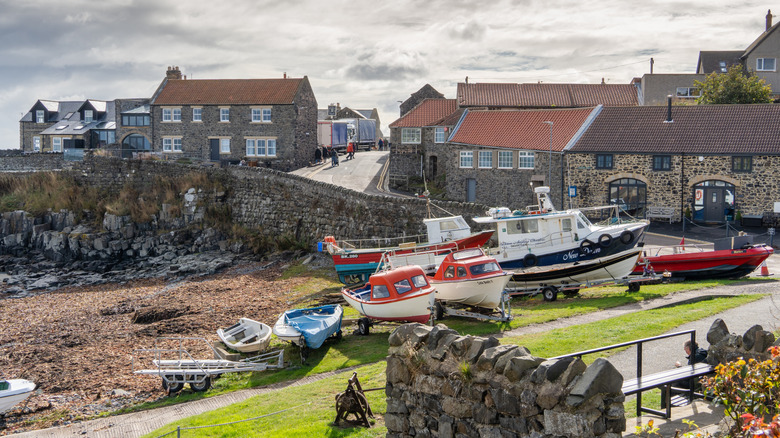
Many people make a beeline for the tourist hotspots of Bamburgh or Alnwick when visiting Northumberland, for castles, beaches, and Harry Potter filming locations. Yet hidden away along the coast there's a quieter and even more magical place. The charming fishing village of Craster has a population of just 269 according to the 2021 Census Data. Known for its dramatic castle ruins and traditional kipper smokehouses, Craster is a place to stroll and soak up the surroundings rather than rush around ticking off lots of sights.
The Telegraph lists Craster as one of the U.K.'s most beautiful seaside villages. It calls the settlement "extremely atmospheric" due to its fishing boats, traditional stone cottages, and smoked kippers. Thanks to its stunning coastal setting and historic vibe, Craster has retained its authentic charm, without feeling overrun by visitors. Life feels little changed over time; you'll still see fishing boats pulled up on the shore after landing their daily catch.
Living just over the border in Cumbria, I'm a regular visitor to Craster, and I love taking my family and friends there for walks along the shore and seafood lunches by the harbor. I recommend a trip to Craster for all first-time visitors to the county, as it gives a taste of life in a typical Northumberland coastal village. The easiest way to reach Craster is by car — it's about an hour's drive north of Newcastle Upon Tyne, and two hours south of Edinburgh. There's a large parking lot on the edge of the village, but spaces fill up quickly, particularly in summer, so it's a good idea to get there early.
The historic ruins of Dunstanburgh Castle
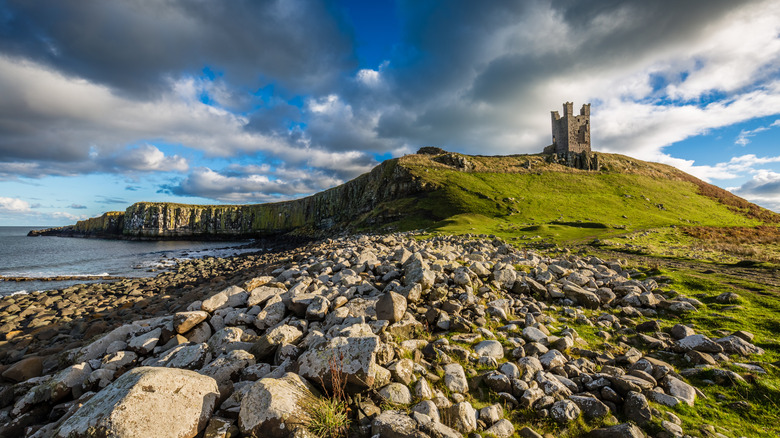
Craster is a starting point for some of the most scenic coastal walks in England's northernmost county, which is right on Scotland's border. These include the trek up to the ruins of Dunstanburgh Castle, which you can see from the village. It's a picturesque 1.3-mile hike up to the castle headland, and as it's right beside the sea, the grassy farmland trail is relatively flat and suitable for most abilities.
Dating back to the 14th century, Dunstanburgh Castle was built on a promontory with natural sea defenses along its northern and eastern flanks. Despite surviving centuries of borderland hostilities and sieges during the Wars of the Roses, by the 16th century, the fort had fallen into ruin. High maintenance costs and its remote location meant that it was no longer viable. The land has subsequently been used for farming, with the distinctive ruins attracting visitors and inspiring artists such as J. M. W. Turner, who also painted a scenic castle in the historic village of Warkworth nearby.
Today, you enter Dunstanburgh Castle through the gatehouse, which remains imposing even in its ruined state. Information boards reveal more about life there all those centuries ago, and you can amble around the walls to see the structure from all angles. Don't leave without climbing to the top of the tower for far-reaching views across Embleton Bay and Northumberland's shoreline. After exploring the castle, I recommend heading to the complex's northern perimeter, where dramatic cliffs mark the fortress' boundary. It's a popular seabird nesting site, and in summer you'll see kittiwakes and fulmars jostling for space on rocky ledges.
Restaurants, cafés, and pubs serving traditional smoked kippers beside the sea
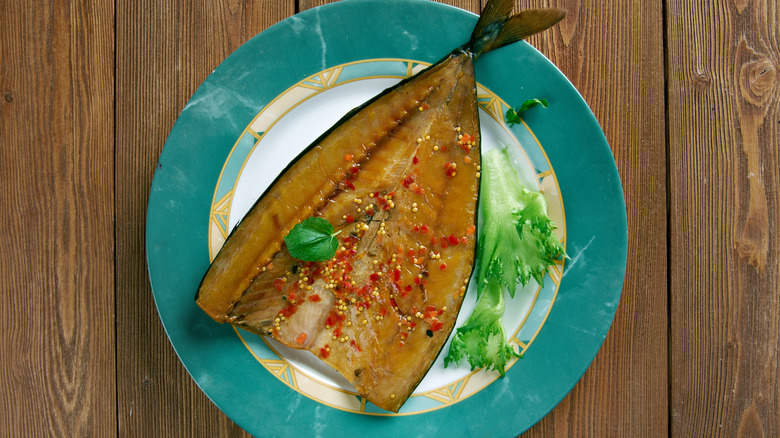
Craster was built on the fishing industry, so it's natural that one of the main reasons people visit is for seafood. Known for its world-famous smoked kippers, Craster is a firm favorite with foodie travelers, who visit to try this unique Northumberland delicacy. The kippers are so tasty, they're popular with the British Royal Family according to Visit Northumberland.
L. Robson & Sons' traditional smokehouses have been in operation for over 130 years, with the family using the same smoking process that was in operation all those years ago. The herrings are smoked over oak, which gives them a rich flavor and turns them into kippers, which you can often smell as you amble around the village. You can sample kippers in local eateries such as The Jolly Fisherman or the Shoreline Café, but on a sunny day, I prefer to grab a hot, buttered kipper bun from Piper's Pitch and eat it on a bench overlooking the harbor.
Kippers have a strong, smoky taste, so they aren't for everyone. If you want to try some of Craster's delicious seafood but don't fancy kippers, the aforementioned pub and café serve locally sourced crab, prawns, calamari, and lobster. To continue your culinary adventures in Northumberland, explore the fishing village of Seahouses, which is also known for its fresh seafood, which is 10 miles up the coast. The charming seaside town of Eyemouth is another 30 miles or so farther north.