
This Edinburgh Suburb Is A Charming Escape Where You Can Walk To A Scenic Island
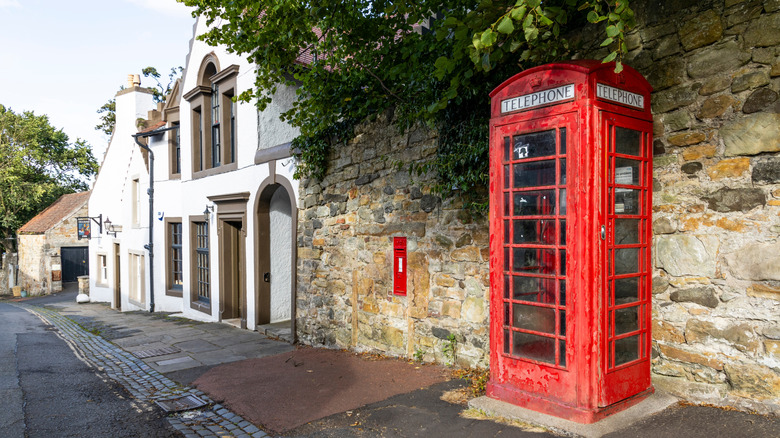
With a picturesque harbor, locally owned restaurants, and access to an island visitors can literally walk to, Cramond gives locals and visitors to Scotland an escape from the hustle and bustle of Edinburgh city life. Cramond rests along the quiet shores of the River Almond and is one of the oldest sites of human settlement in Scotland. Today it's a popular, easy-to-reach suburb of Scotland's capital, with sandy beaches and a historic village center, located only 5 miles from Edinburgh Airport and a 25-minute bus ride from the capital city's center.
Cramond was its own community long before Edinburgh expanded to encompass it. In fact, the village's history is deeply tied to the Roman Empire, with ruins and remnants still accessible in and around the village today. The Cramond Foreshore provides sumptuous natural scenery, and this public green space is full of wildlife and greenery, public facilities, a café, and clear views of the Fife shoreline on the north shore.
It's no wonder that Scotland is known for some of Europe's best sightseeing walks, and Cramond's views are hard to beat. The village also offers a unique way to explore a nearby island without the need for a boat. At low tide, a causeway connects the foreshore to Cramond Island, although visitors are warned to time their excursions carefully to avoid being trapped on the island when the waters return.
Low tide reveals a causeway to Cramond Island
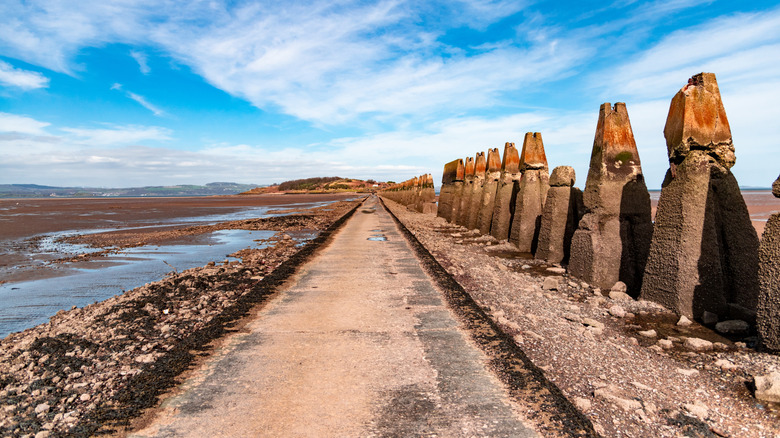
The village of Cramond has plenty to offer visitors in the way of impressive views of the water, but when low tide pulls the waters of the estuary back, a causeway emerges that connects to Cramond Island and becomes the suburb's most popular attraction. The island sits about a mile offshore and takes at least 15 minutes to reach on foot. While the causeway is relatively level, it can be wet and slippery in some areas, so be sure to wear suitable footwear. Arguably its most striking feature is the line of massive concrete pillars built as anti-submarine barriers during World War II that run along one side of it. The island is uninhabited and has no visitor facilities, but it is well worth exploring. Covering nearly 19 acres, Cramond Island is home to abandoned wartime bunkers and munitions storage areas, while the remains of the Duck House, a former vacation home, are also a popular stop on the island.
Visitors must check the official safe-crossing times posted at the foreshore before setting out, as the causeway is only accessible during a limited window around low tide. It is important to leave yourself plenty of time to return to Cramond before the causeway is submerged under several feet of cold seawater. Those who fail to follow the timeline risk becoming stranded and requiring rescue from HM Coastguard.
Cramond blends history and charm along its waterfront
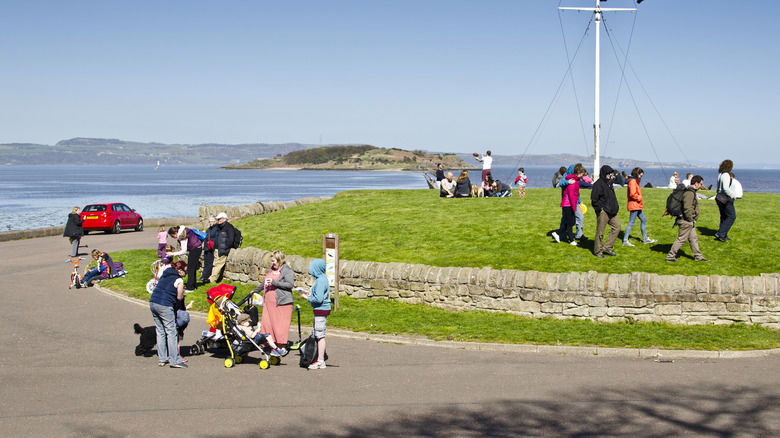
The village of Cramond is much different than the island that shares its name. For a start, this fishing village is inhabited, and those residents run businesses that can keep tourists busy, fed, and refreshed throughout their visit. One popular stop is Miller & Carter Cramond Brig, a steakhouse known for its award-winning steaks that also serves burgers, chicken dishes, and a variety of à la carte items.
Scotland's capital city has well-preserved historic ruins, and some of its most significant Roman archaeological remains are found in Cramond. The village's Roman fort was constructed around A.D. 140, and one of the best-preserved Roman bathhouses in Scotland (according to All About Edinburgh) is also nearby. Cramond Kirk is an active church on the site of the Roman fort, and it boasts a tower that dates to the 1400s.
Cramond is well worth visiting at any time of year, but visitors should pack appropriately for the season, as rain can appear over Scotland any time. Its mild summers may be more attractive to those looking to hike to Cramond Island, but the cooler fall and winter could be ideal for those exploring historic sites. These seasons may also appeal to people seeking spooky experiences, as Rick Steves says Scotland is the best country in Europe for ghostly walks.