
Under An Hour From Plymouth Is An Inland Town With Quiet Charm, Steam Train Rides, And Moorland Views
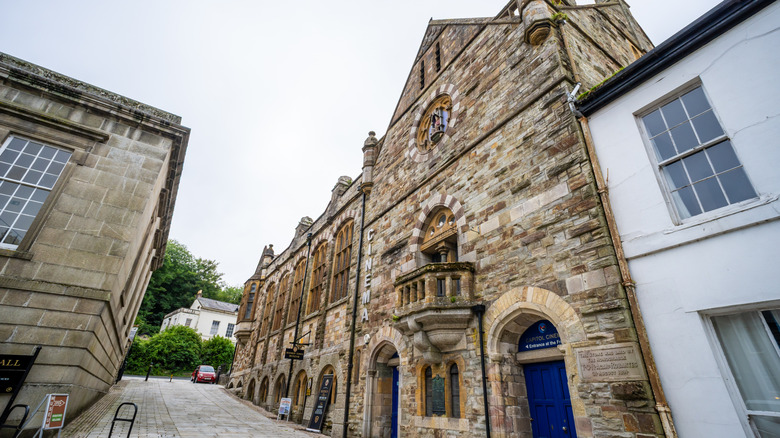
Often overlooked by visitors on their way to more well-known destinations in Cornwall, the inland town of Bodmin might just be one of the most underrated spots in the county. Bodmin traces its origins to the sixth century, making this historic town in the center of Cornwall one of the oldest in the county, with a strong mining legacy and a rich religious history. Less than an hour's drive from Plymouth, Bodmin has plenty to offer culturally curious visitors and outdoor enthusiasts, with heritage sites, steam train rides, and moorland walks all on the agenda. Surrounded by picturesque countryside, Bodmin is also a convenient base for exploring eastern Cornwall.
The town also has historic buildings like the old county courtroom at Shire Hall and the 15th-century St. Petroc's Church, described by Ideal Magazine as a "calm, characterful place." Even the historic Bodmin Jail has a certain charm, with part of the complex now redeveloped into a boutique hotel, where visitors can sleep peacefully in a former cell and dine in style in the old chapel.
Just out of town, heritage properties like Lanhydrock add another dimension to a visit to Bodmin. Set in colorful gardens with quiet riverside paths through the estate, this Victorian country manor makes a peaceful and beautiful half-day trip from Bodmin. Meanwhile, up on the wild Bodmin Moor, Jamaica Inn has its own legendary charm, with roaring log fires creating a cozy atmosphere amidst the windswept landscapes outside. Thanks to its remote location, this historic coaching inn was once a smuggling hotspot, with its story revealed in the onsite Smuggler's Museum.
Moorland views and spooky legends in Bodmin
Cornwall is a county steeped in myth and legend, from the Arthurian legends in the enigmatic town of Tintagel to the bewitching mermaid of Zennor. However, none of these folk tales are as chilling as that of the Beast of Bodmin Moor, a mysterious black cat said to prowl the moors. Over the years, strange big-cat sightings have fueled the mystery, so keep your eyes open when roaming the heathland.
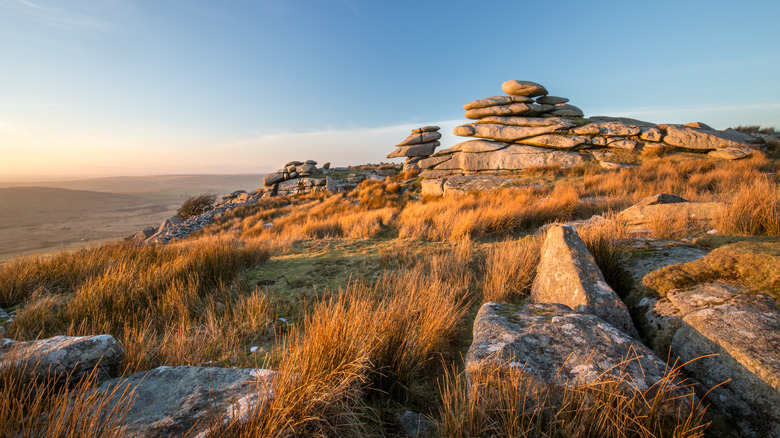
In daylight hours, you've nothing to fear but your imagination, and the rugged moors are a popular place for hiking. Characterized by grasslands and heather, Bodmin Moor is a vast expanse that feels wild and remote. Several trails cross the moor, with many taking in unusual granite rock formations known locally as "tors," and the best vantage points are from elevated spots like Roughtor or Brown Willy. The latter is Cornwall's highest point and offers stunning 360-degree views — on a clear day you can see all the way to the coast. Roughtor is one of the most iconic sights on Bodmin Moor, with stacked rock slabs and sweeping views of prehistoric settlements and hut circles. You can visit both Roughtor and Brown Willy on a 5.2-mile circular hike, as detailed by iWalk Cornwall.
One of the more eerie views on Bodmin Moor can be found near the village of Minions, where three stone circles stand out from the landscape. Known as The Hurlers, these ancient rings are said to be the remains of men who were turned to stone for playing hurling on the Sabbath. Whether you believe that or not, it's a spooky place when the mists roll in, and it feels a world away from more typical Cornish destinations like the serene fishing village of Mousehole or the tidal island of St. Michael's Mount.
Journey through time on the Bodmin steam railway
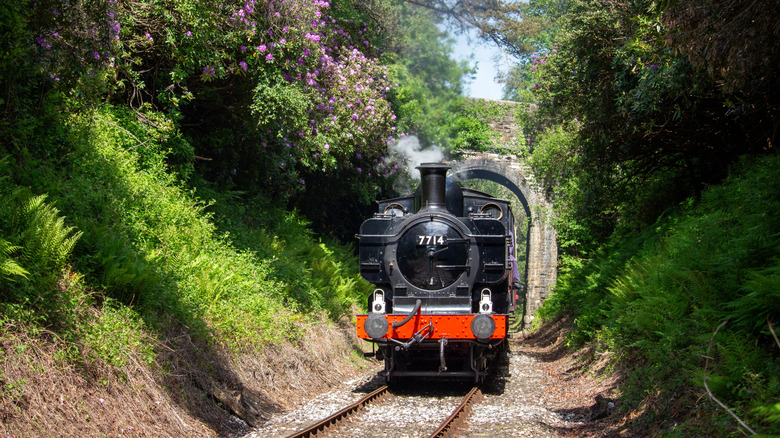
For a different perspective of the area, take a ride on the Bodmin Railway. The original railway opened in the 1830s and was once used to transport goods, such as Cornwall's famous China Clay, before later welcoming passengers on its steam-powered services. Regular services ended in 1983, and part of the line now runs as a heritage railway. It's best to book in advance during the busier summer months as seats on the train are limited.
The main departure point is Bodmin General Station, which is centrally located with parking and a café. From here, there are two line branches, one to Bodmin Parkway and one to Boscarne Junction. You can ride on both lines or just a single section. The full 13-mile there-and-back trip lasts around two hours, with the locomotive running around the train throughout the journey. For a longer day out, you can alight at Boscarne and explore the area before catching a later train back to Bodmin. There's plenty to do nearby, including hiking the Camel Trail, exploring the Camel Valley Vineyard, and enjoying a traditional Cornish Cream Tea at the Camel Trail Tea Garden.
From the carriage, you'll enjoy views of the Cornish countryside, with the train crossing both the River Fowey and River Camel during the ride. If you're here in spring, you may see beautiful displays of bluebells along the route. Keep an eye out for the Gilbert Memorial up on Bodmin Beacon, built in the 1850s to honor a local dignitary. You'll also pass Walker Lines Industrial Estate, part of the former army barracks used by U.S. troops during World War II. During the Cold War, the site housed a military language school where potential spies could learn Russian.