
Florida's Largest National Forest Is A Fishing Paradise Near Tallahassee With Camping, Swimming, And Hiking
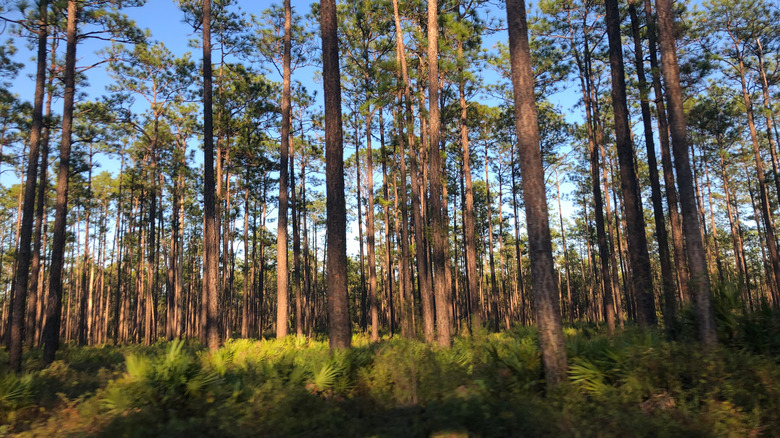
Many of the dreamiest Florida Panhandle landscapes are defined by sugary beaches wrapped around the turquoise waters of the Gulf Coast, but venturing slightly inland can take you from seaside panoramas to forested escapes. One such wooded retreat easily accessible from Tallahassee is the Apalachicola National Forest. It's a massive refuge of over 635,000 acres with incredibly diverse landscapes, from shadowy swamps and winding rivers to underwater caves and a dense stretch of hardwoods that feels more Southern Appalachians than subtropical coast. No wonder the U.S. Forest Service describes the protected area as "one of the most unique ecosystems in the world".
Designated in 1932 and developed in part by the CCC, the vast woodlands are a scenic destination for outdoor adventurers, nature lovers, and families looking to unwind from everyday life. Travelers often come to explore over 80 miles of hiking trails, fish in abundant freshwater waterways, and enjoy the multiple calm lakes where you can swim, paddle, or simply picnic with waterfront views. Wildlife encounters are common — look out for the rhythmic tapping of red-cockaded woodpeckers, a rare and threatened species with one of its largest populations in this forest. After a day of activities, you can watch the pristine night sky from your campsite. The glowing stars on an inky sky make it easy to forget how close you are to Florida's capital city.
Rest assured, you'll be ensconced in serene wilderness within Florida's largest national forest. Plan your visit for spring and fall for more comfortable temperatures, even though this is a four-season destination. Do prepare for bugs no matter your time of visit — you're still in Florida, after all! Whether you're here to camp, fish, or on a detour from the panhandle beaches, this sprawling preserve may just be the respite you're looking for.
Angling adventures and swimming holes in Apalachicola National Forest
Florida has been described as the best state in the U.S. for fishing, a reputation the Apalachicola National Forest helps uphold. The forest offers ample angling opportunities in its fishy rivers, still lakes, and several creeks, and you can cast a line as long as you have a valid state license handy. The U.S. Forest Service says the Apalachicola River, curving along the forest's western border, hosts the most diverse freshwater species in Florida, with impressive numbers (and sizes) of bass, breams, bluegill, stripers, and catfish. The Ochlockonee and Sopchopy Rivers are also angling hotspots, with boat access points to help you navigate these fish-filled waters.
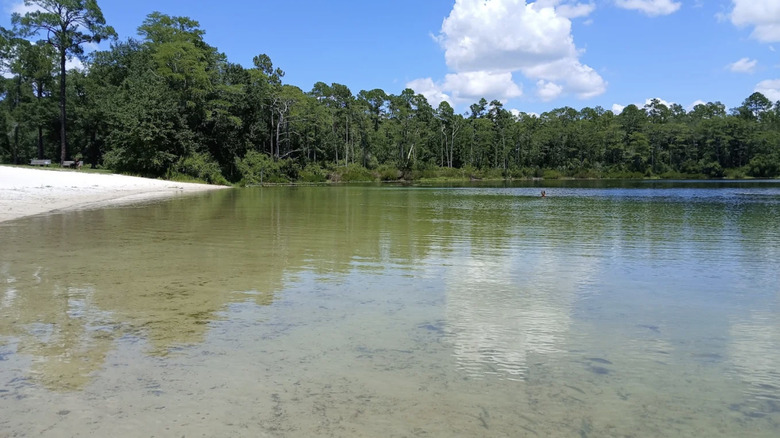
If you're looking for a clear, beautiful lake to chase fish for the day, the spring-fed Silver Lake, nestled amid lush longleaf pines, also offers fishing for largemouth bass, bream, and catfish. While the forest is a productive fishing destination year-round, spring and summer are prime season. Anglers can launch kayaks or canoes from the boat ramp facilities, but there's also ample shore access for those interested in bank fishing. Silver Lake is also convenient: It's located only about 12 miles west of downtown Tallahassee.
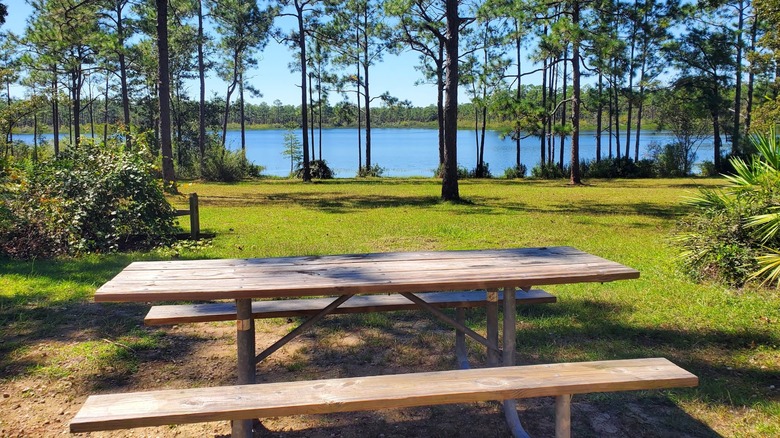
Besides your rods, bring swimsuits and towels, too, as the forest's clear, spring-fed lakes are perfect spots for a refreshing dip. Each of the three main lake recreation areas — Silver, Wright, and Camel Lake — features a beautiful sandy beach for easy entry into the water. Onshore, amenities like restrooms, bathhouses, picnic tables, and drinking water ensure you've everything needed for a beautiful day by the lake.
Don't forget your hiking and camping gear
Strap on your hiking boots as the preserve's extensive trail network is perfect for on-the-ground exploration and wildlife watching. The easy yet scenic Sinkhole Trail Loop is one of the most surreal areas to explore. The path features a karst landscape, an erosion-formed terrain that gives way to geological features such as caverns, springs, tunnels, and wet sinkholes. "This is a beautiful and peaceful hiking area with some really unique scenery you do not see every day," one Google Maps reviewer described the views on the 2.9-mile hike. "The sinkholes, swamps, caves, and forest trails make the entire experience feel adventurous and relaxing at the same time." Or you can traverse a longer, multi-use path. The Munson Hills Trail spans about 8.5 miles and is perfect for a walk or bike ride through thick longleaf pine forests. Keep your eyes peeled for diverse wildlife sightings, like the petite songbirds and the threatened gopher tortoise, on this route.
Visitors also have access to an approximately 78-mile-long, often-wet portion of the Florida National Scenic Trail (one of the 11 National Scenic Trails in the U.S.) as it meanders through the forest. It's great for hikers who want a challenge or experienced campers who want to rough it out in lush Florida wilds. Free, dispersed camping is also available throughout undeveloped parts of the forest for the rugged types. Or you can book any one of the developed campgrounds for more comfort.
Find hookup sites at the 10-site, tree-shaded Camel Lake Campground, which one Google Maps reviewer described as "beautiful, peaceful, and clean". Spend a few nights among rustling leaves and birdsong, with amenities like a bathhouse, drinking water, and flush toilets. Another option is Wright Lake Campground, with 18 sites and similar amenities, but no hookups. After you've had your fill of pristine nature, head to the nearby Quincy, an underrated "Coca-Cola Town," for an artsy weekend trip.