
Tucked Next To Edinburgh Is An Ex-Mining Village With Historic Charm, Mine Tours, And Tasty Eats
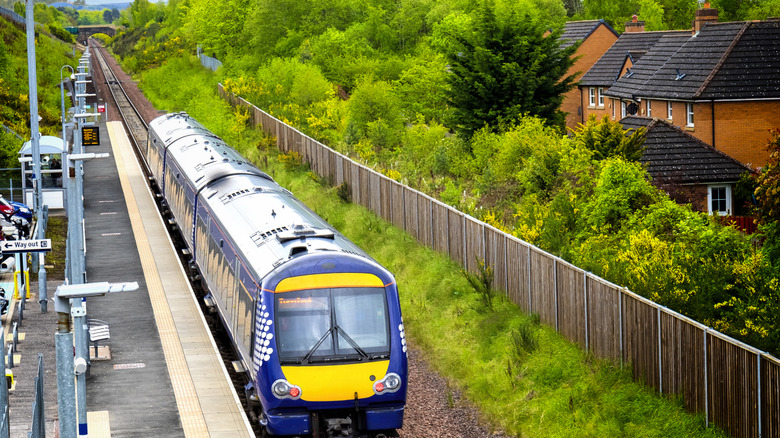
One thing to be said about U.K. mining towns is that they are full of historic gems. This is certainly true of Newtongrange, a small town in southern Scotland. Its main claim to fame dates back to the 19th century, when it became the largest mining village in Scotland. Back then, miners hauled loads of coal on their backs and loaded them onto waiting trolleys. Today, the town honors that legacy through the National Mining Museum Scotland and tours of the original mine, which once boasted a 1,600-foot-deep shaft.
Newtongrange is also the proud home of an award-winning brass band, but that should come as no surprise. Brass bands are nearly synonymous with U.K. mining towns, as they were often sponsored by the local colliery and used to liven up feasts, marches, and galas. Visit Newtongrange during its annual Brass in the Park event, and you may be treated to the band's rousing, practiced notes as its members blow on their horns. Newtongrange is also home to inviting eateries. Frothy beers and sizzling steaks await you in taverns, while homemade scones and cakes will tempt you in cafés.
Visit Newtongrange's historic marvels
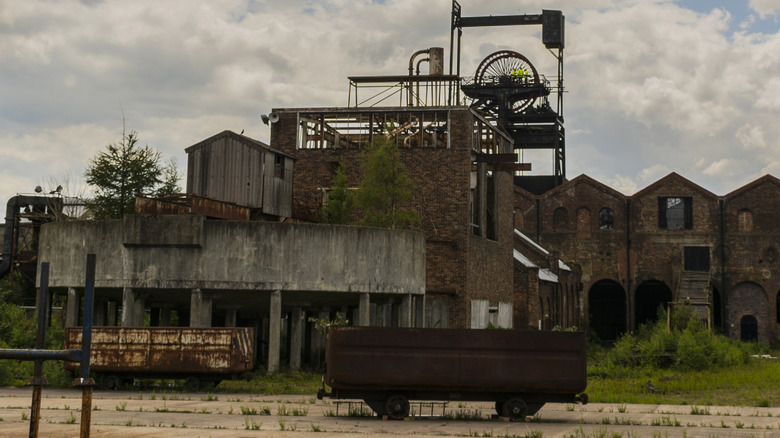
Getting off the beaten path is one of the best things you can do in Scotland, and you can see why with a visit to Newtongrange. While the Lady Victoria Colliery ceased operations in 1981, in terms of architecture, Newtongrange remains much the same as it did when the town relied on coal to fuel its economy. One such structure is the Lothianbridge Viaduct, an impressive 19th-century railway section that has 23 towering arches. Newtongrange Church is another historic building. Completed in 1942, the structure stands out with its flying buttresses and crowstepped bell tower.
For the real star of the show, head over to the National Mining Museum, which is housed in the original Lady Victoria Colliery. A ticket to the museum grants you access to its collections, which include over 100,000 artifacts, such as tools, pictures, workwear, and domestic items. For a tactile experience, visit the museum's Green Zone, where you'll find a world of hands-on experiences. The Play Park offers weather and biodiversity activities, while you can pretend to be an energy and technology innovator at the Energy Lab. At the Interactive Hub, you can face a series of engineering challenges.
You can also take a tour of the colliery itself. It is considered to be one of the best-preserved collieries in Europe, and it's easy to see why. First, you'll be treated to various educational plaques, along with models of the workers who had to carry the coal on their backs up steep ladders. Then you'll see the original beam engine, piping, and a locomotive that was used to shuttle the coal to the processing center. Fittingly, the train was also coal-powered and still has a tender and coal box to prove it.
Have a bite to eat in Newtongrange
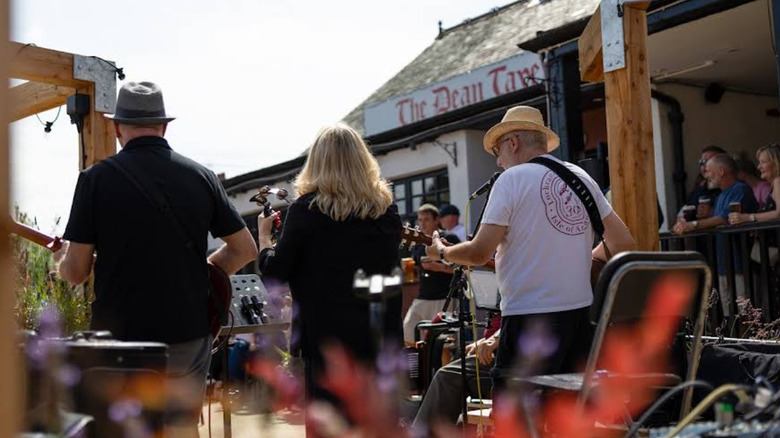
The Dean Tavern is a great place to dine after a day of walking around and seeing the sights. One diner on Google wrote, "cheap and local food is great too staff are lovely and friendly." Another patron raved that the peppercorn chicken was "some of the freshest, juiciest, and tastiest chicken we have ever tried."
Find the Pavilion Cafe in the northeast section of Welfare Park. The cafe has outdoor seating, set on a green lawn. It serves fresh sandwiches and simple dinners. You can also order mouthwatering desserts, such as double-layer lemon cake, spiced carrot cake, and fresh-from-the-oven scones.
If you want to explore another ex-mining town not far away from Newtongrange, visit Whitburn, an ex-mining town with a vibrant culture and lovely shops. To experience additional old-timey charm in small-town Scotland, check out Bo'ness, a coastal town with steam train rides and historic ruins.