
Outside Blackpool Is A Scenic Nature Reserve With Wetland Trails, Wildlife, And Coastal Views
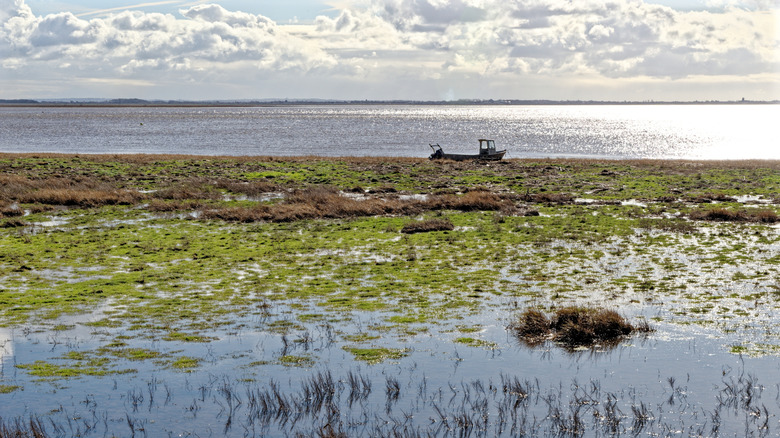
Depending on who you ask, Blackpool, England is either a fun escape for family-friendly seaside entertainment or an overrated tourist trap sullying the British coastline. But Blackpool, whether you love it or hate it, does lie along said British coastline, specifically an otherwise lovely stretch of the Lancashire shores known as the Fylde Coast. This places Blackpool well within reach of some of the United Kingdom's most beautiful coastal ecosystems and nature hikes, often within minutes of Blackpool's bustling entertainment options.
A perfect example is the serene Ribble Estuary National Nature Reserve. Being a mere 7 mile drive south of Blackpool, the Ribble Estuary is an unmissable stop for visitors looking to escape back into nature, and its remarkable confluence of sea and river forms one of the region's best nature preserves. While travelers in search of uncrowded English coastal destinations may think they have to seek out environments like the underrated and infrequently-visited Exmoor National Park, the Ribble Estuary is proof that amazing preserves can be hiding right next to major resort towns.
The Ribble Estuary's complex marine ecosystem makes it a critical habitat for many wildlife species, including a wide range of birds. This ecological significance has led to much of the estuary being established as an official nature reserve, thus keeping it safe from encroaching development within the Blackpool area. As a result, the Ribble Estuary is excellent for scenic nature hikes and wildlife viewing. The estuary's relaxing trails offer a much-needed contrast to the bright and loud thrills of Blackpool. Similarly, the Ribble Estuary offers unimpeded views of the British coastline and the small, charming, historically rich villages found there.
Britain's hidden coastal gem
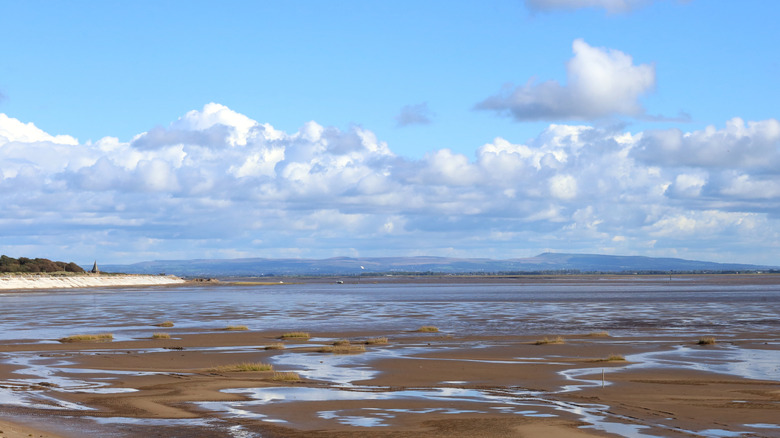
The Ribble Estuary sits at the junction of the River Ribble, the River Alt, and the Irish Sea, with large coastal marshes thriving where the waters meet. This complex interplay of freshwater and saltwater creates a protected environment for small but vital pieces of the larger British ecosystem. The estuary's populations of small marine crustaceans, worms, and other invertebrates are probably not as attractive to the average animal lover as the more charismatic dolphins or seals. However, these small estuary dwellers are a major food source for many wading bird species. Sandpipers and oystercatchers are often on view along the beach areas, while the estuary's Hesketh Out Marsh is a terrific spot for seeing colorful birds like redshanks and lapwings.
Each year, the 10-mile-wide Ribble Estuary also serves as a temporary home to around 340,000 wintering waterfowl, making it perhaps the most important habitat in the UK for these animals — and one of the country's best destinations for birdwatching. You'll find waterfowl like swans, ducks, pink-footed geese, and wigeons here in the winter, along with a variety of other species at other times of the year, such as gulls, terns, skylarks, and linnets.
Wildlife watching aside, the Ribble Estuary is also a much-needed slice of authentic nature within short distance of Blackpool's resort-heavy development. While Blackpool's award-winning Stanley Park has lovely gardens, pedal boats, and Art Deco vibes, the Ribble Estuary's open mud flats and marshes provide unbroken views of the British coastline, without any amusement park rides or hotel developments to obstruct them.
Exploring the Ribble Estuary and the Lancashire Coast
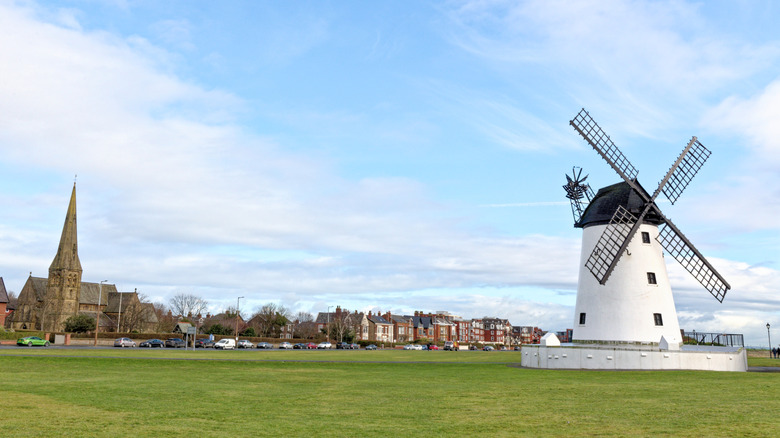
The Ribble Estuary's expansive seaside views and ample birdwatching opportunities create some of Britain's best wetland trails without steep climbs or daunting elevation gains (other than the occasional sand dune). Any hike around the estuary will likely offer excellent birdwatching, on top of classic British historic sites. One perfect hiking introduction to the Ribble Estuary is the nearly 3-mile loop across the estuary from Lowther Gardens in nearby Lytham St. Annes. This route covers a long stretch of the Ribble Estuary's coastline and features a few convenient spots for snacks.
If you're looking for a longer hike, the Lancashire Coastal Way and Lytham Hall Loop covers a 6.5-mile stretch of the estuary through the coast and Lytham St. Annes. This route is great not only for coastal views and birdwatching, but also for exploring the region's historic sites, with Lytham Hall, an 18th-century masterpiece of Georgian architecture, being a particular highlight. If you're up for a full day's hike, embark on the 11.3-mile route along the River Ribble from the town of Preston and across the estuary's biodiverse coastal ecosystems at the Hesketh Out Marsh. For a multi-day hike, try the 72-mile Ribble Way from the Ribble Estuary to the River Ribble's source in the haunting Yorkshire Dales.
The Ribble Estuary's location is also great for exploring the charming coastal towns hiding just south of Blackpool. For example, the seaside promenade in estuary-adjacent Lytham St. Annes offers exceptional views of the river and the coastal wetlands from a comfortably paved walking trail. About 11 miles east, the town of Preston is also a vibrant Blackpool-area gem with walkable streets and scenic trails that follow the River Ribble ahead of where it empties into this celebrated estuary.