
The Largest Lochs In Scotland For Scenic Outdoor Fun
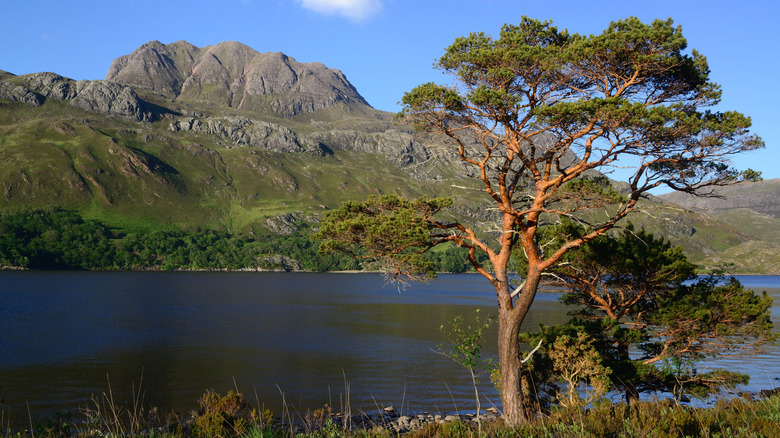
Here's something to stir those watery souls: Scotland counts upwards of 30,000 freshwater lakes (known as lochs in these parts), and accounts for over 60% of all the standing water sites found in the whole of the U.K. So, if you like your adventures with a big side dollop of H2O, this land of kilt-clad clansmen and hearty haggis dishes is a fine, fine place to look. And where better to start than with the overall largest lochs of them all?
Cue this guide, which whisks you from south to north and from east to west as it showcases the 10 biggest bodies of water in Scotland. It's jam-packed with destinations that are sure to make the jaw drop, whether that's appropriately-named Loch Awe, where eerie castles that look like they've been plucked from the pages of a horror novel stand on the shoreline, or impossibly-stunning Loch Lomond, where soaring Munros (mountains over 3,000 feet high) tumble away to the horizon.
The list below uses data from leading geography blogs and newspaper outlets to rank Scottish lakes by surface area, rather than depth or total water volume. That means that these are the bodies of water that cover the most ground. The upshot? These spots tend to really lend themselves to outdoor adventure, because their sheer size means there's often plenty of hiking paths along their sides, mountains on their doorstep, and natural reserves on their peripheries.
Loch Lomond
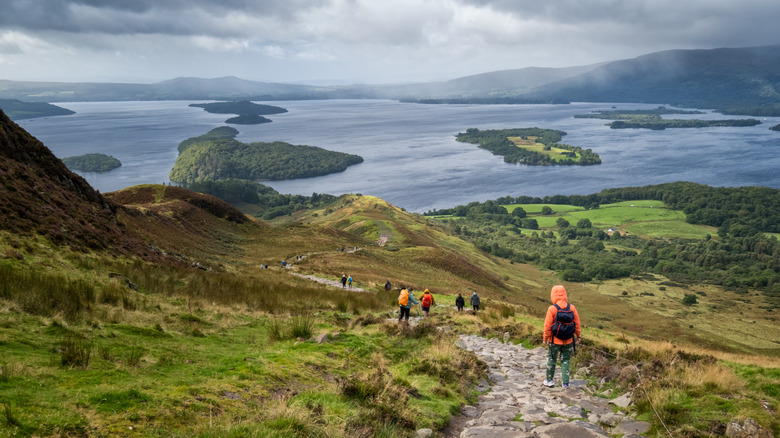
Among the more famous lochs on this list is 22-mile-long, roughly 5-mile-wide Loch Lomond, the loch with the largest surface area in the country. It's the focus of the iconic Scottish folk song "The Bonnie Banks of Loch Lomond," a tune that talks of the lake's setting amid gorgeous, purple-tinted highlands. Indeed, this one is watched over by Scotland's southernmost Munro (the name for a mountain in Scotland that rises over 3,000 feet), the peak of Ben Lomond, which rises above the lake in a series of woodland-blanketed slopes and rock-topped summits. You can climb that in around five to six hours. Or, stay lower and take to the water itself — a canoe or kayak is the perfect way to explore all the nooks and crannies, named lake islands (all 22 of them), and inlets.
Loch Ness
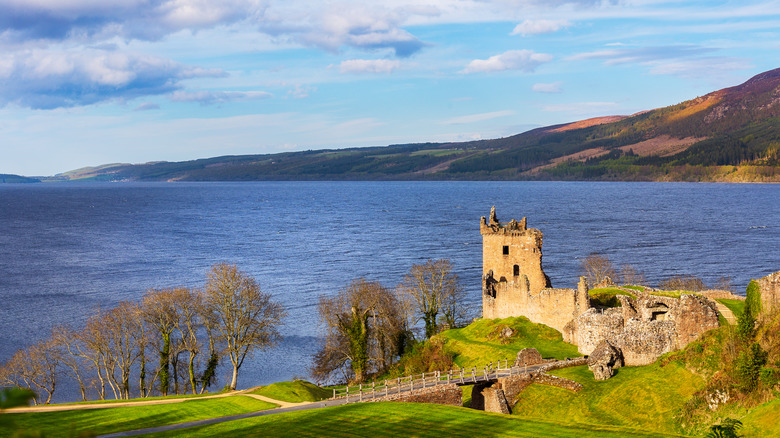
No list of the largest lakes in Scotland could possibly be complete without a mention of good old Loch Ness. The stats are pretty striking: Ness's 7,452 million cubic meters of water make this bigger than all the lakes of England and Wales combined! It also looms large in the global imagination, since this is the supposed home of the elusive Loch Ness monster, a creature of the deep that's had stories told about it since the seventh century. Even if you don't see that, prepare to be stunned by the vision of half-crumbled Urquhart Castle on its grassy bluff just outside of the scenic village of Drumnadrochit, and the surrounding Scots pine forests and evocative Highland ridges of the Great Glen.
Loch Awe
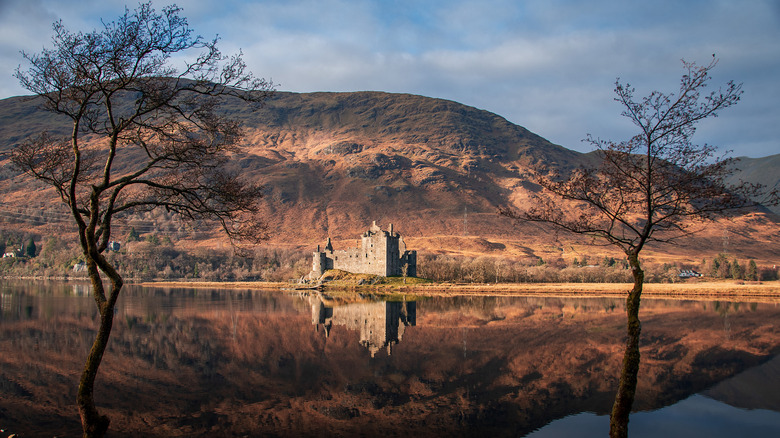
Loch Awe bends and wiggles its way through the peaks of Argyll for 25 long miles, marking the course of the old Ice Age glaciers that once carved up this part of the country. A single-track B road connects much of the lake's south shore, taking you from the town of Ford in the south to Kilchurn Castle, one of the loch's most famous landmarks, in the north. The views at Kilchurn are rather jaw-dropping to say the least — you'll see centuries-old keeps and walls huddled below the high ridges of moor-covered mountains.
Loch Maree
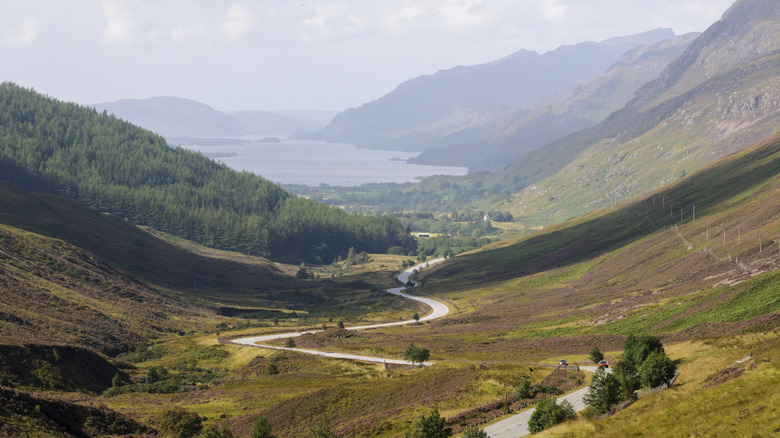
You'll need to travel something like five to six hours from the underrated city of Glasgow to reach Loch Maree, the fourth-largest loch in the nation. This far-flung beauty hides amid the mountains of Wester Ross, while the loch itself borders the U.K.'s first-ever National Nature Reserve, which surrounds the peak of Beinn Eighe, a colossal mound of quartz and sandstone that dominates the southern shoreline. Around that, sweeping dashes of Scots pine forest roll down to meet the water, hosting rare species like golden eagles.
Loch Morar
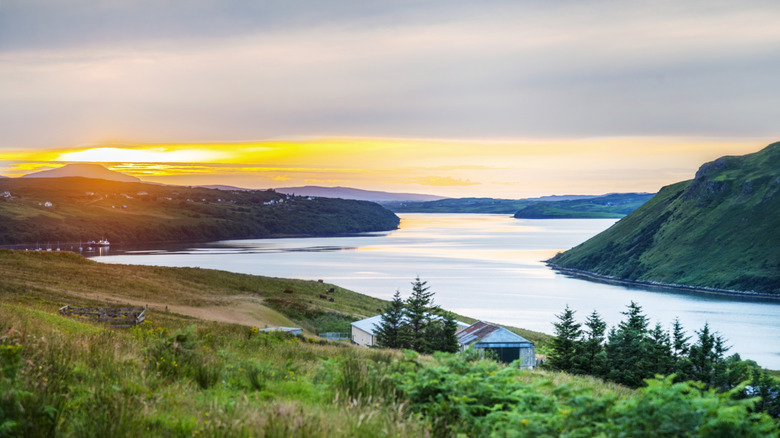
The 10.3-square-mile Loch Morar might only come in fifth in terms of overall surface area, but it has a trump card: it's actually Scotland's (and Britain's, for that matter) deepest freshwater lake, bottoming out at a rather disconcerting 1,017 feet. It's an adventure mecca, offering scenic drives through thick, forested hills and hikes up craggy peaks that look more Matterhorn than Highlands. Down below that, on the lakeside, there are long, wispy white-sand beaches lining the Morar River that are perfect for more casual strolls.
Loch Tay
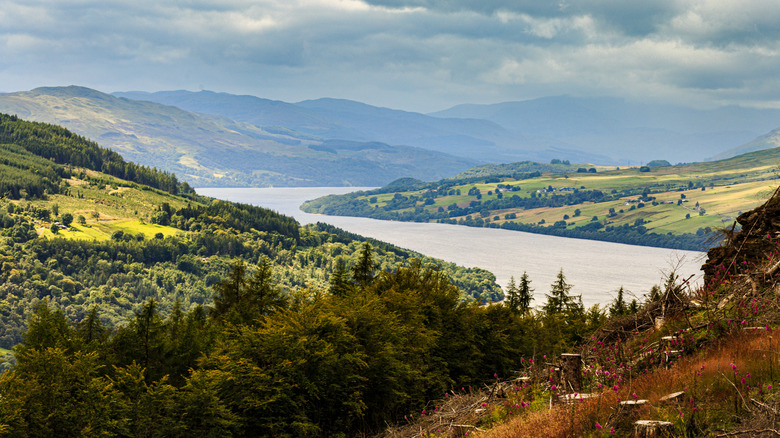
With one foot in Perthshire and the other in Stirlingshire, Loch Tay, the sixth-largest loch in Scotland, straddles two Scottish counties over its 15-mile of length. It's a bit of drama, to say the least, with mountains lurching almost vertically from the water along its banks, eventually hitting a zenith with a huddle of Munros on its north side. Head to the Scottish Crannog Centre along the banks to uncover the loch's 2,500 years of human history — they even have a fully recreated crannog, a type of dwelling used throughout the Iron Age.
Loch Shin
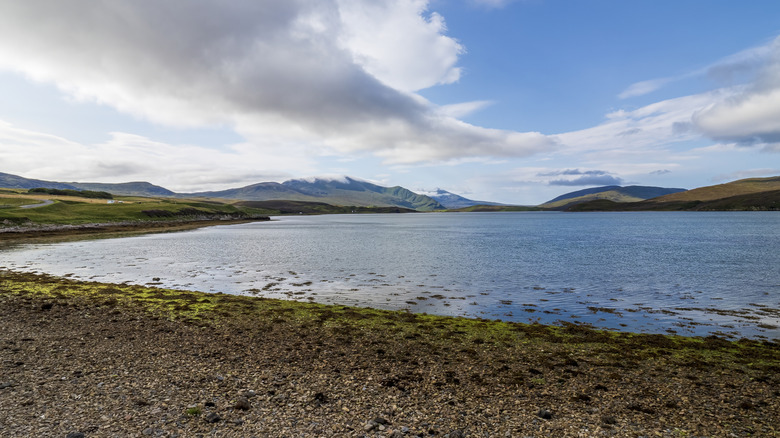
Loch Shin is located in the region of Sutherland, one of the most remote and far-flung corners of Scotland, and one of the least-populated parts of the U.K. The upshot? This body of water could easily fit among the immaculate Scottish destinations that pull you far from the tourist trail. Take the village of Lairg, on the water's southernmost shore. Fewer than 900 people live there, and the local claims to fame include rushing waterfalls and a crater that some believe marks the site of an ancient meteorite impact. A road along the eastern banks offers fine views of the sweeping, barren hills that abound here.
Loch Shiel
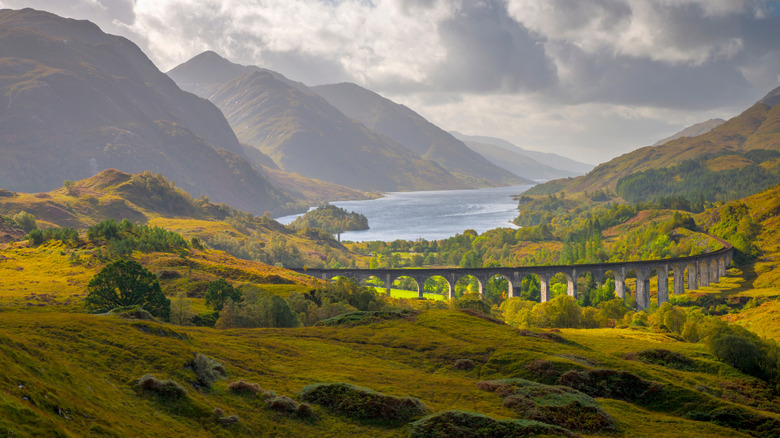
Bridging the gap between the West Highlands and the sea, Loch Shiel covers roughly 17 miles from peaks to saltwater as it emerges from the steep mountains at its northern end. There, the hamlet of Glenfinnan has long been on the tourist radar. Two reasons: The Glenfinnan Viaduct, that arched train bridge you know from the Harry Potter movies, and the Glenfinnan Monument, a tower commemorating a Jacobite rebellion began in 1745. Climb said tower for front-row views over the loch, with mountains shouldering their way above on both sides.
Loch Rannoch
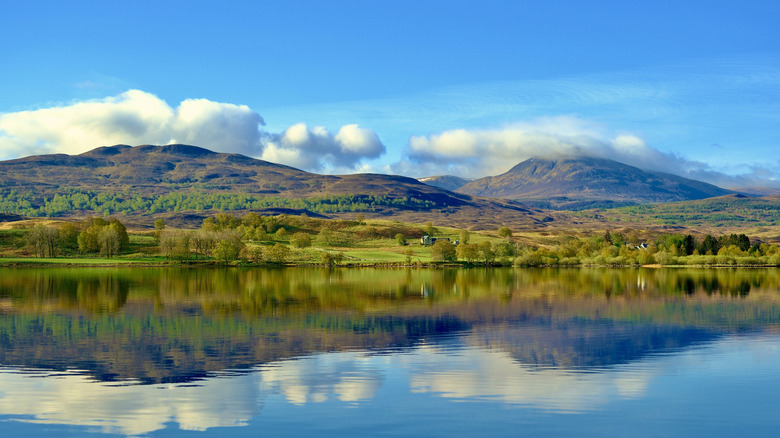
Loch Rannoch comes in ninth on this list, but it's often said to be among the most stunning lakes in the country, what with its setting amid a huge basin of hills and mountains dressed in pine and heath. There's adventure on all sides here. Nearby cycle routes weave across barren mountainsides and through lonely glens where the ancient Caledonian pine forests of the Black Wood of Rannoch stand. A four- to five-hour hillwalk helps hikers find their way up the 2,926-foot-high Beinn a'Chuallaich, where sweeping panoramas unfold at the summit.
Loch Ericht
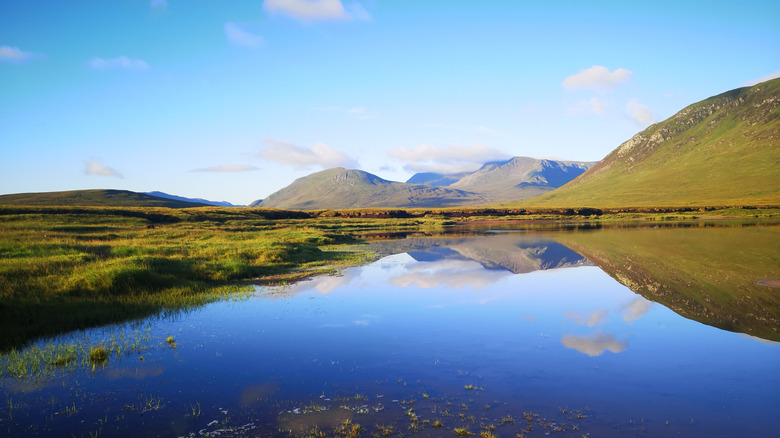
The 10th-largest loch by surface area in Scotland is the long, thin Loch Ericht. Bisecting the Grampian Mountains on the southwestern cusp of the Cairngorms National Park into Perth and Kinross, it gets just a fraction of the footfall seen at other, more popular lochs, like Lomond and Ness. The skyline is dominated by the Munro of Ben Alder, a great mass of scree and rock ridges that looms over the western shore. Climbing that is a hefty undertaking, but there are easier-going pursuits on offer below. The loch teems with brown trout for fishing, while the village of Dalwhinnie at the loch's northern tip is home to the highest whisky distillery in the country.