
Atlanta Boomers Are Moving To This Scenic Florida City With Affordable Living And Sandy Beaches
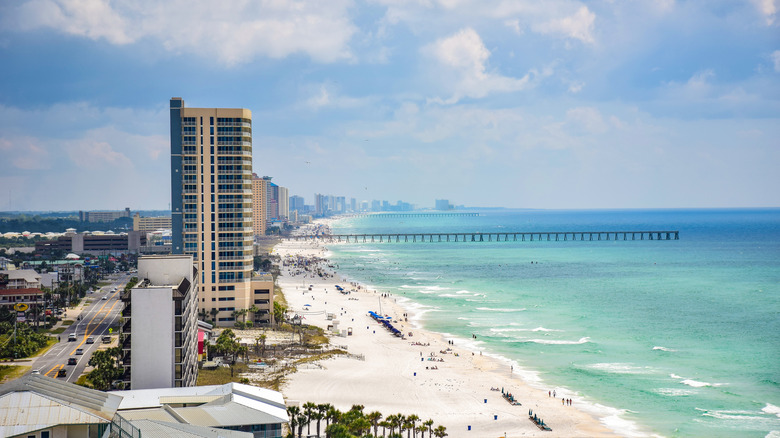
There are many reasons why someone would choose to live in Atlanta. It has a bustling downtown area with attractions and restaurants, and it's a major corporate hub. But for Boomers born between 1946 and 1964 who are no longer in the workforce, the hustle and bustle of daily life in the big city may no longer be serving them. For those looking for a more laid-back lifestyle, Florida's Panama City, located in the Panhandle, could be worth considering. Panama City's proximity to Gulf Coast beaches offers opportunities for frequent beach trips, and recent migration data suggests that the surrounding area is attracting some Atlanta baby boomers.
In a 2026 midyear migration report by U-Haul, the Panama City–Panama City Beach metro area won the top spot in the "net-gain" metro destinations for boomer customers leaving Atlanta. While the report doesn't say why customers relocated, prices could be one of the reasons. As of September 2026, the average home value in Panama City, according to Zillow, was over $282,000. The average home value in Atlanta came in at around $100,000 more. Beyond housing, Panama City offers plenty of ways to stay active and social without spending an arm and a leg.
Panama City is about a five-hour drive from Atlanta, or roughly 290 miles. Those who'd rather fly can use Northwest Florida Beaches International Airport (ECP), approximately 16 miles northwest of Panama City, which offers nonstop service from Atlanta. Renting a car is a practical option for exploring the surrounding beaches and attractions.
Affordable living in Panama City, Florida
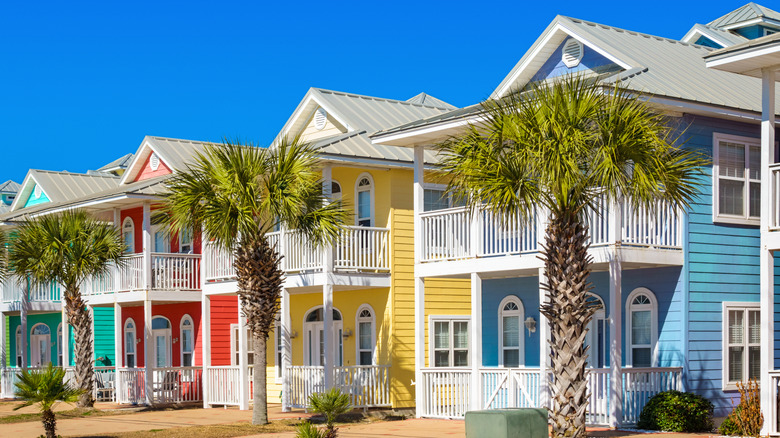
In addition to being one of the most affordable beach towns for homebuyers in 2026, Panama City's historic neighborhoods, local businesses, and vibrant arts scene are easy to explore on a budget. In Historic St. Andrews, you'll see old 19th-century buildings and a working marina reminiscent of the neighborhood's roots as a fishing village. Downtown is known for its rich history as well. The Bay County Courthouse hosted the trial that led to the 1963 Supreme Court Case Gideon v. Wainwright. Additionally, Glenwood preserves more than 100 years of Panama City's Black history. Anyone wanting to learn more about these neighborhoods can listen to a free audio walking tour through the Otocast app. Free guided tours are also available on Wednesdays and Fridays starting from the Panama City Publishing Museum.
For a free look into the city's artsy side, the Panama City Mural Trail takes you past 15 murals in the downtown area and in Historic St. Andrews, painted by artists from the area and across the country. The murals cover exterior restaurant walls, local shops, and public buildings, including the Panama City Center for the Arts. Downtown, there's also a restored Coca-Cola advertisement from the 1940s on the exterior of Tom's Hot Dogs, great for a photo op.
If you're not opposed to spending some cash, the Market at St. Andrews near Oaks by the Bay Park operates every Saturday between 9 a.m. and 1 p.m. Local shops and small businesses set up stalls along West 10th Street, selling everything from handmade soaps to fresh produce. And even if you don't purchase anything, there's nothing wrong with doing a little window shopping while enjoying the live music.
Beaches and outdoor activities in Panama City
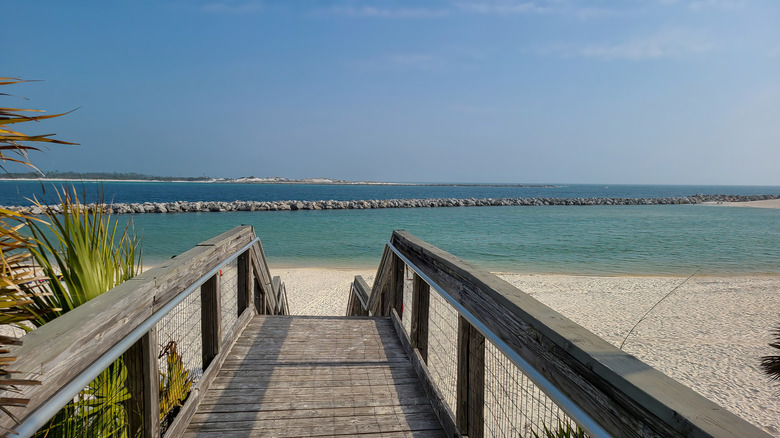
For Atlanta boomers who have spent years trading paid time off for beach vacations, living in Panama City brings the ocean much closer. The city has its own bayside beaches in the St. Andrews area, where the waters are calm enough for paddleboarding and kayaking for those wanting to stay active. At Oaks by the Bay Park, for example, you can follow the boardwalk to the bay or head to the observation platform for some birdwatching. Several Google reviewers describe the beach as being a short walk from the park's parking lot, and there are many opportunities to sit down and rest.
For Gulf-facing beaches, residents can head across the bay to neighboring Panama City Beach, a separate city west of Panama City. To the east, St. Andrews State Park, often described as Florida's natural "kiddie pool" for its calm waters, is the closest to Panama City. Not only does it have access to a 1.5-mile-long beach, but it also has two nature trails totaling one mile long, and visitors say it is one of the best beaches in the state for snorkeling. Visitors can walk the shoreline, swim, or explore the surrounding coastal greenery. For residents with mobility needs, the Visit Panama City website says the park has accessible overlooks, as well as manual beach wheelchairs and Mobi-Mats to make it easier to walk on the sand. It is worth noting that park admission ranges between $2 and $8 depending on the type of vehicle and how many passengers are with you.