
Gen-Xers Are Leaving St. Louis And Moving To This Sun-Soaked Mountain City 850 Miles Away

Sol-seeking Gen-Xers are moving to Denver, drawn by its abundant sunshine. Although the Rocky Mountain city is hundreds of miles from the STL, many people born between 1965 and 1980 may be attracted to the drier, sun-soaked climate of the Colorado capital. St. Louis's muggy summers are the warmest between the end of May and mid-September, with the highest temperatures between 70 and 89 degrees Fahrenheit in July. The cold season typically lasts from late November through late February, with average daily highs below 50 degrees Fahrenheit. January drops to between 25 and 41 degrees on average.
Conversely, Denver has more average hours of sunshine than San Diego and rivals Miami. Its warmest temperatures are between early June and mid-September, averaging between 62 and 88 degrees Fahrenheit each July, the city's hottest month. Cold typically kicks in during mid-November, lasting through early March, with the average highs only touching 53 degrees. Yet the Mile-High City is far more arid than St. Louis, which is located near the confluence of the Mississippi and Missouri Rivers and frequently experiences moisture-laden weather systems moving in from the Gulf of Mexico or Canada.
Why are Gen-Xers saying see ya to St. Louis?

So much sunshine offers plenty of opportunity to visit the best Colorado parks around the Denver area, like verdant City Park and Ruby Hill Park. D-Town gets only about 14 to 15 inches of annual precipitation. And even when the ground is carpeted by snow, Denver skies can be cloudless. These dreamy bluebird days are what skiers and snowboarders live for when heading to the myriad ski resorts surrounding the city.
Sunny skies encourage outdoor adventures, most of which are far more budget-friendly and healthier than staying indoors at restaurants, movie theaters, or bars during inclement weather. Colorado residents spend a great deal of time taking advantage of the favorable weather. You can find enchanting forest trails an hour outside of Denver to hike or mountain bike. Strapping on snowshoes or cross-country skis each winter doesn't require the purchase of a lift ticket. Healthy, active living is the main reason Travel + Leisure ranked Denver among the "10 Best Places for Gen X to Live in the U.S."
Conversely, St. Louis gets about 202 days of sunshine and 42 inches of rain annually. In fact, the "Gateway to the West" sees some form of precipitation an average of 105 days a year. But dreary days don't always lend themselves to active Gen-Xers exploring the parks and rivers around Missouri's second-largest city.
Sunny Denver steals residents from St. Louis
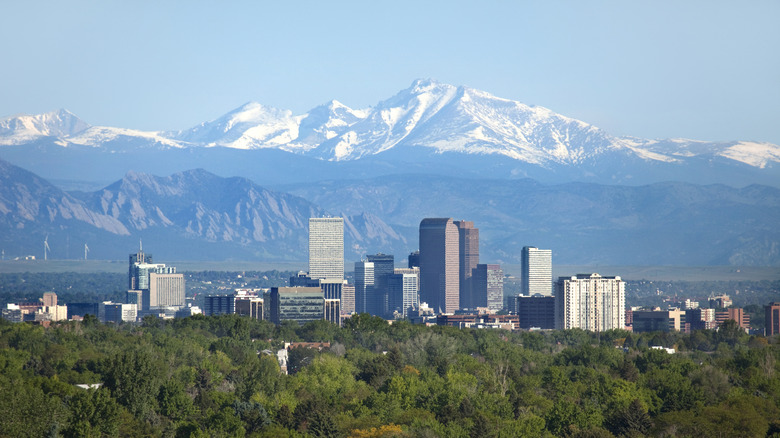
While the average rent for a centrally located one-bedroom apartment is about 32% higher in Denver than St. Louis, other costs come in lower. Utilities are generally less expensive in Denver, although grocery prices tend to be higher. Prices aside, people relying on a city's accessibility may lean toward Denver.
According to Wheelchairtravel.org, St. Louis is only moderately wheelchair accessible. The site cites uneven, poorly maintained sidewalks, some with entire portions of missing concrete. Sidewalks can also be too narrow for wheelchair users to navigate or be blocked by obstacles like lamp posts or fire hydrants. Meanwhile, the site describes Denver's generally accessible sidewalks, particularly in central areas, with curb cuts at intersections and limited elevation changes, making pushing a wheelchair that much easier.
Both cities have abundant affordable dining options and plenty of activities to keep visitors amused, such as the Denver Museum of Nature and Science and Missouri's former shoe factory that's now a unique St. Louis museum. But one of the biggest differences is in housing prices. In St. Louis, the current median listing price is $249,900, according to Homes.com, but Denver's is vastly higher at $589,900. Still, Denver's sunshine may help offset its higher cost of living for some prospective residents, especially Gen-Xers who are now between 46 and 61 years old.