
Between Oxford And Worcester Is A Charming Market Town With Rolling Hills, A Wide High Street, And Outdoor Fun
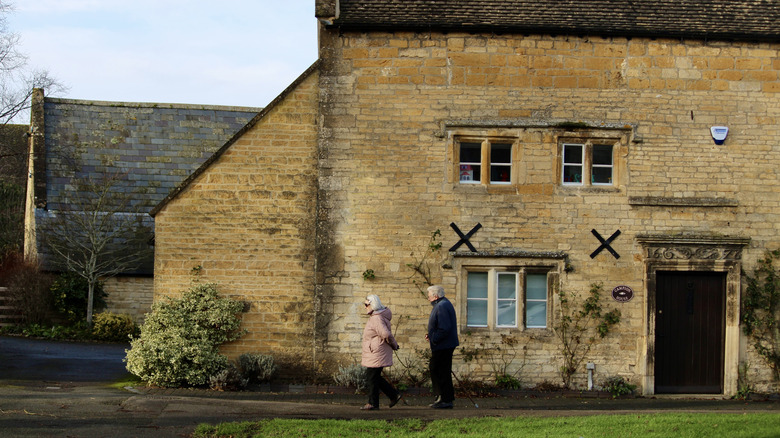
This honey-hued Cotswolds market town, Moreton-in-Marsh, sits on the 2,000-year-old Fosse Way, one of the longest roads built by the Romans in the U.K. The Fosse Way, as it stands in Moreton-in-Marsh, is now a bustling High Street lined with pubs, independent shops, and cafés. And while the High Street is filled with those beautiful historic buildings typical of the Cotswolds, it is uncommonly wide, largely because of an enterprising 13th-century abbot, who saw opportunity in Moreton-in-Marsh's location and developed it into a market town, widening the High Street in the process.
As with much of the Cotswolds, Moreton-in-Marsh is surrounded by miles of languid countryside, ideal for picturesque country walks, cycling along undulating farmland, and stumbling into the many charming villages synonymous with the Cotswolds. Explore the surrounding area, and you'll find elegant country houses such as Bourton House Garden and Chastleton House, as well as Broadway Tower and its resident deer, perched on a hill overlooking Broadway village, all within easy reach.
With a centrally located railway station and convenient buses, Moreton makes a practical base for exploring the northern Cotswolds without relying entirely on a car. There are direct trains between Oxford and Moreton-in-Marsh operating throughout the day, as well as buses to Broadway, Stow-on-the-Wold, and Bibury.
The High Street and one of the Cotswolds' biggest markets
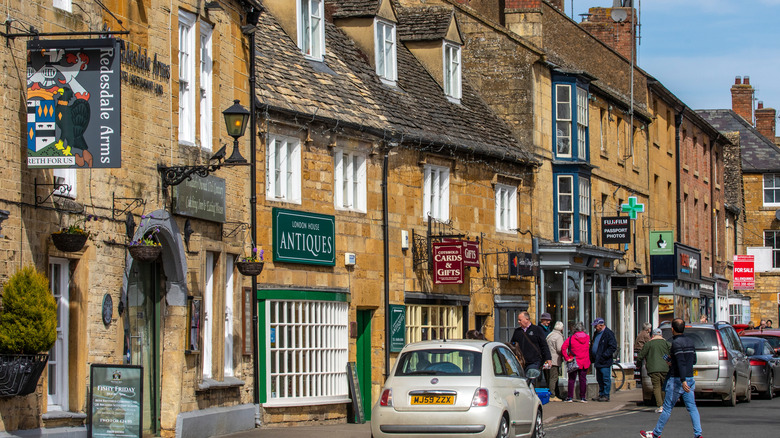
Moreton-in-Marsh's wide High Street is the town's main attraction, lined with attractive 17th- and 18th-century buildings, traditional coaching inns, independent galleries, and cafés. Sights include the Curfew Tower, a distinctive stone landmark with an old clock and bell, and the White Hart Royal Hotel, a former coaching inn where King Charles I is said to have stayed during the English Civil War. The nearby Redesdale Hall, built in the 19th century, regularly hosts antiques and craft fairs, and directly across from the hall, through a stone arch, there's the Old Market Way Arcade, with a small collection of local shops set around a cozy square, including a bookshop and a Greek deli.
For shopping, the town's market heritage is still very much alive. Every Tuesday, the High Street fills with one of the Cotswolds' largest open-air markets. Each week there are around 150 stalls (and as many as 200 in the summer) selling a mishmash of fresh produce, flowers, clothing, household goods, crafts, and antiques. When the market is closed, shops such as the Cotswold Cheese Company offer tastings of delicious Gloucestershire cheeses alongside artisanal ciders and chutneys, while the Otis & Belle bakery is an ideal stop for a locally made pastry over tea.
To delve into local history, the Wellington Aviation Museum, just off of High Street, explores the story of RAF Moreton-in-Marsh and the aircrews who served during the Second World War. Meanwhile, the Foxcote Gallery back on Fosse Way represents working artists via a rotation of exhibitions. If you're shopping the Cotswolds, consider journeying to nearby Broadway for its quaint shops lined along a picturesque high street.
Countryside walks and iconic Cotswolds Villages
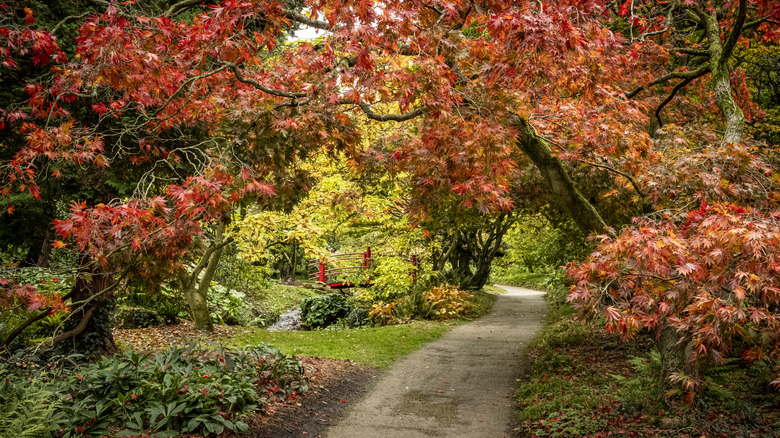
Moreton-in-Marsh makes a picturesque and convenient starting point for exploring the North Cotswolds, with an abundance of outdoor attractions a short distance away. Of note is the truly lovely Batsford Arboretum, just outside the center, which covers 60 acres and has one of the U.K.'s largest private collections of trees and shrubs. Wander the lush paths in spring, when fragrant magnolias and flowering trees come into bloom, or in fall, when the vibrant foliage turns to shades of burnt orange, red, and gold.
Nearby, Sezincote House and Garden is an unusual sight in the Cotswolds. It is an early 19th-century country house designed in an Indian-inspired style, its architecture a collision of Cotswold stone and minarets. The main building is topped with a green dome, and overlooks landscaped gardens with ornamental elephants and a temple dedicated to Surya, the sun god. For walkers, the Moreton Eight is a network of routes linking Moreton-in-Marsh with nearby villages and gardens. The paths crisscross through farmland and open fields, with routes to Batsford Arboretum and Bourton House Garden.
With its location on the Fosse Way, Moreton-in-Marsh is well placed for visiting other Cotswold towns and villages. Follow the road south for around 8 miles, and you'll soon arrive at the iconic 'Venice of the Cotswolds', which is linked to the charming pair of villages, the Slaughters, by a scenic circular walking path. To explore by train, Moreton-in-Marsh railway station has direct services from London Paddington, as well as connections to beautiful Oxford, where you can stay in a Victorian toilet turned luxurious micro hotel.