
North Of Aberdeen Is A Charming Coastal Village With Scenic Cliffs, Car-Free Streets, And Wildlife
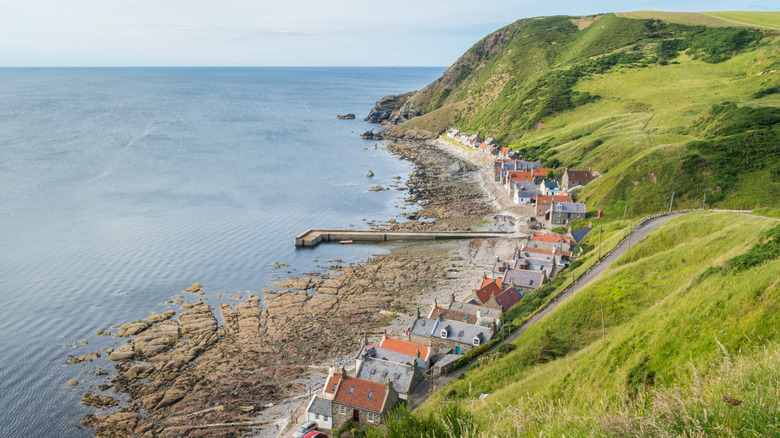
Scotland is known for its pretty coastal villages, many with quaint harbors and colorful houses. Crovie is a little different. Hidden away at the base of rugged sea cliffs on the north Aberdeenshire coast, this tiny former fishing settlement enjoys a unique setting, surrounded by nature and exposed to the ravages of the North Sea weather. Offering visitors the chance to explore coastal trails and enjoy wildlife watching, car-free Crovie captures the imaginations of even the most experienced travelers. I've visited Crovie several times during vacations in Aberdeenshire and hope my tips will help you plan your own visit.
This charming village was constructed on the eastern edge of Gamrie Bay by families evicted from inland farms during the infamous 18th-century Highland Clearances. Swapping farming for fishing, community members depended on the sea for their livelihoods, with around 50 fishing boats operating out of Crovie and neighboring Gardenstown by 1900. Yet after a devastating storm in 1953 that destroyed many of its properties, Crovie was largely abandoned as a residential settlement. Today, most of the houses along the shore are vacation rentals.
Crovie's challenging geographical location has limited development, making it one of the best preserved fishing villages in the country. Built along the narrow strip of shoreline that runs between the dramatic cliffs and the North Sea, a row of around 60 cottages sits just a few feet from the water at high tide. The houses were positioned with their gable ends facing the sea, to protect the properties from storms. This unusual layout is part of the village's distinctive appeal. Today, you can walk along the footpath in front of the houses to the far end of the bay. It's best to visit at low tide because the waves often breach the footpath at high tide — you can check the Crovie tide times here.
A charming seaside settlement where cars are banned
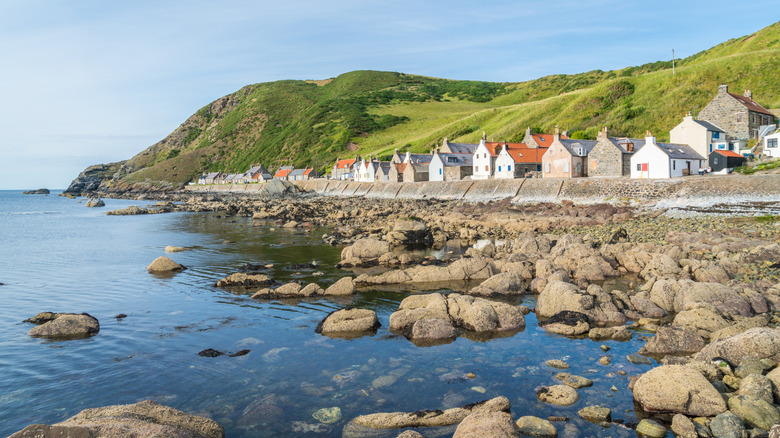
Crovie remains a characterful village and a unique place to visit if you're interested in Scottish heritage and dramatic coastal scenery. One visitor on Tripadvisor praised Crovie's timeless appeal, reporting that this "beautiful little historic fishing village with stunning views [...] feels like a step back in history." Yet it's the absence of cars in Crovie that adds to the "quaint and secluded charm" of this "slow-pace sleepy village," per The Mirror.
Just like the fairytale village of Clovelly down in Devon, Crovie is a traffic-free settlement. The streets here are too narrow for vehicles, so cars are banned and residents use wheelbarrows to transport groceries and deliveries down to their houses. For visitors, there's a parking lot at the top of the cliffs — this is also one of the best scenic viewpoints over the village and surrounding crags. From the parking area, it's a steep 15-minute walk down to Crovie. There is a second car park farther down the hairpin road, but it's smaller and fills up fast, especially in summer.
There are no facilities in Crovie, so I recommend walking along the rocky shore to the village of Gardenstown in the next bay. There's a 2.75-mile circular route that returns to Crovie along the scenic clifftop path for those who prefer not to retrace their steps. Enjoying a similar setting to Crovie, the fishing village of Gardenstown is slightly larger and less precariously located — many Crovie families moved here after the great storm. In Gardenstown, you'll find public restrooms beside the harbor and a couple of cafés serving light lunches and homemade cakes. There's also The Garden Arms, a historic pub offering hearty favorites like fish and chips and mac and cheese, along with rooms if you want to stay the night.
Wildlife watching along the Crovie coast
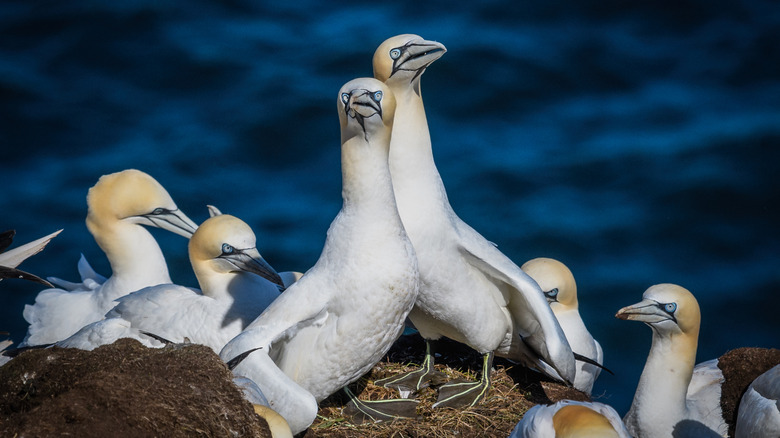
A little farther along the shore from Crovie is Troup Head, a Royal Society for the Protection of Birds (RSPB) reserve known for its seabirds and plunging 295-foot cliffs that mark the highest point on this stretch of coastline. Each summer, these scenic cliffs come alive with more than 50,000 birds, including mainland Scotland's largest gannet colony. You'll also spot nesting species like guillemots, kittiwakes, and razorbills, and if you visit between May and July, you'll have the chance to see puffins too. There's a small parking area by Northfield Farm at Troup Head, but you can walk from Crovie on this 5.75-mile circular route for spectacular clifftop views.
Offshore from Crovie, dolphins, porpoises, and even minke whales can sometimes be spotted from the village and clifftops. For closer encounters with marine wildlife, boat tours operating out of Lossiemouth — about 50 miles west of Crovie — make a fun day trip from the village. North 58º Sea Adventures offer excursions along the Moray Firth. Both harbor and grey seals are often seen relaxing on the sand banks, while basking sharks have been known to frequent these waters in summer. This area is also home to the Noth Sea's only recorded group of bottlenose dolphins, so keep your eyes peeled and your camera ready.
Given Crovie's remote location, the best way to reach the village is by car. Crovie lies around 45 miles north of Aberdeen, Scotland's "Silver City by the Sea," which is about an hour and 10 minutes by car, making it an easy day trip. If you have more time to spend in the area, I suggest visiting Elgin, a walkable Scottish town with cathedral ruins and a famous whisky distillery, also 45 miles from Crovie.