
Goodbye Bucket-Lists: Most 2027 Travelers Will Choose Destinations Based On This (No, Not Just Their Budgets)

Before travelers even get to the part where they have to book airline tickets and figure out what neighborhood to stay in, there's a whole set of factors to consider for choosing a destination in the first place. You might pull up a years-old bucket list of destinations, or start from a budget and see what fits in your price range. But it seems most travelers going into 2027, according to Booking.com's Travel Predictions study, will make plans based on something a bit more abstract: their mood. Rather than starting with a famous city or landmark (or cost breakdown), travelers often pick a destination based on whether they want to feel, say, adventurous, creatively inspired, or serene. A destination, then, might be a means of fulfilling different emotional needs more than checking off a saved spot.
Booking.com's 2027 Travel Predictions study found that "81% of global travelers would choose a vacation destination primarily based on how they want to feel, rather than where they want to go." The study sampled adults who plan to travel within the next one to two years (from July and August 2026), with respondents from countries all around the globe. Besides the feelings-based travel assessment, the survey also found that 76% of travelers are open to using travel-planning tools that base recommendations on emotional intent.
While Booking.com didn't survey the respondents about what role their budgets or bucket lists play in picking destinations, a 2026 survey of European travelers commissioned by a&o hostels is telling: 31% of respondents said budget was a main factor in choosing recent destinations, and 20% said they chose the destination "simply because it was on their bucket list." Emotion, it seems, leads the pack when it comes to where people go.
How to find a destination that matches your mood
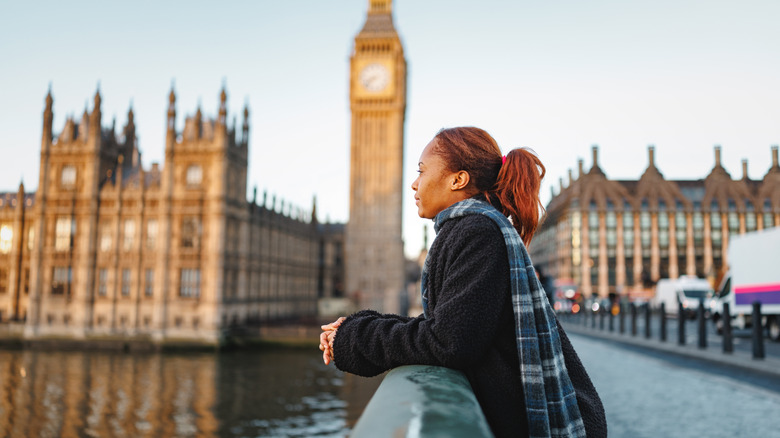
How do you narrow down destinations that can help you achieve the feeling you're after? In an interview with Prairie Public, travel writer Alicia Underlee Nelson gave some pertinent advice. Nelson argues that it's a good idea to start by asking how you want to feel on a trip as well as when you get back, rather than being swayed by other people's perceptions. She says to ask some practical questions like, "How busy do I want to be? How much money do I want to spend? And how, how is everybody else [on the trip] ranking these activities?"
Nelson's point about thinking about activities and experiences that might fulfill your emotional intent means you can look at destinations not just for their setting or sights, but for how you go about life within them. Travelers looking for somewhere intellectually stimulating and perhaps a bit pensive, spending days journaling in cozy cafés or browsing museums, might find what they're looking for in London, considered the best rainy-day city in Europe, for example. If you're looking to disconnect from city life and go on an outdoorsy adventure, you can look into some of Europe's best hiking destinations for adventurous travelers.
Planning travel around emotions might also mean that you're booking trips a bit more spontaneously, depending on how you feel or want to feel at a given time. One Reddit user said, "I was in a rough spot at the time — mentally, emotionally — and [an international solo] trip helped me sort some things out." To turn that urge into a trip, read up on some tips for planning a last-minute vacation without the stress.