
At Scotland's Northern Tip Is A Charming Coastal Town With Gorgeous Beaches, Trails, And Historic Ruins
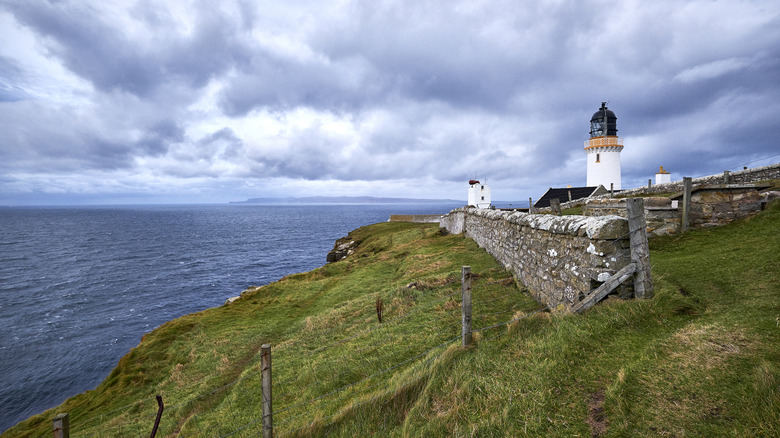
Oceanside cliffs, windswept heaths, and ancient ruins greet visitors in Thurso, Scotland. But those scenic vistas aren't the only reason to visit Scotland's most northerly town. Thurso itself is a charming coastal village rooted in history, and the surrounding county of Caithness is full of beaches, trails, and centuries-old historic ruins.
The main gateway to Thurso and the rest of the Scottish far north is the town of Inverness, which is located 109 miles to the south, so anyone traveling by train or plane will have a stopover in Inverness. The Inverness Airport is the closest commercial airport, with flights from major hubs like Dublin, London, and Amsterdam.
After landing, you can transfer to ScotRail's Far North Line. Inverness is the main hub for Far North trains, so travelers who begin a rail journey further south, in a city like Edinburgh, will still transfer through Inverness. The ride from Inverness to Thurso is roughly four hours, but thanks to the rolling hills, abundant lakes, and boggy moorlands, the Far North Line is one of the most scenic rail journeys in the U.K.
Thurso surprises with sandy beaches and surfing
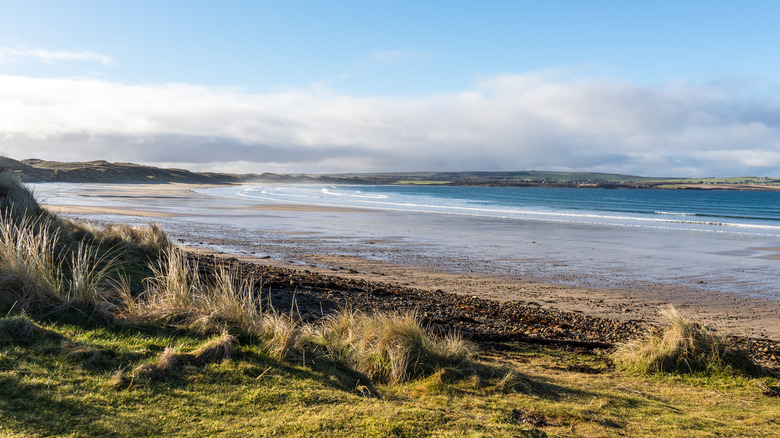
Most people probably don't think of the top of Scotland as a great place for sandy beaches and surfing, but the region is actually known as a superb surf spot. The town center sits right on Thurso Beach, a golden swath of sand in a horseshoe-shaped bay. This beach is more protected from the swell that pounds nearby coastlines, making it well-suited to leisurely lounging or a casual swim.
Just to the east sits Thurso East. While not a sandy beach, this area of coastline sees massive right-handers that create excellent barrel waves for surfing. Thurso East is so renowned as a surf spot that it's often the host location for the Scottish National Surfing Championship. But the intense waves also mean that Thurso East is best for visitors who already have surfing experience.
Luckily, just a few miles down the road is Dunnet Bay (also known as Dunnet Beach). This long sandy beach sits in front of sand dunes and grasslands, making it easy to forget you're only 7 miles outside of Thurso. The bay's calmer water also makes it much better for beginner surfers, paddleboarders, and kayakers. To help get you out on the water, Dunnet Bay is home to North Coast Watersports, which lets you rent everything from surfboards to kayaks, paddleboards, and wetsuits (being the northern tip of Scotland, the water is cold and wetsuits are often advised). They even provide private surf lessons and group surf classes.
Visitors can also explore Thurso's trails and paths
For those who prefer to stay on land, Thurso has plenty of options to take in the local scenery on foot. There are easy walks through town and along the river, like the 1.4-mile River Thurso Circular, which is perfect for anyone who wants a good overview of the town and coastline. For a bit more of an adventure, there's the Holborn Head Circular. The 4.3-mile trail starts at Scrabster Harbour just west of Thurso. From there, hikers head past the old Holborn Head Lighthouse where they can see ferries arriving from Scotland's world-renowned Orkney archipelago, and up onto the towering cliffs overlooking the North Sea. On top of the promontory, you'll find the ruins of an old fortress that dates back to the Bronze and Iron Ages.
Just to the east, in Dunnet, there's also Dunnet Head, the most northerly point of mainland Britain. There you can check out the Dunnet Head Lighthouse, see puffins that live on the cliffsides, and walk the paved trail up to a lookout point. "It was great to see the seabirds below us from one of the viewpoints," a Tripadvisor user said, "including the gannets diving into the sea."
Local history and ancient ruins fill the Scottish Highlands
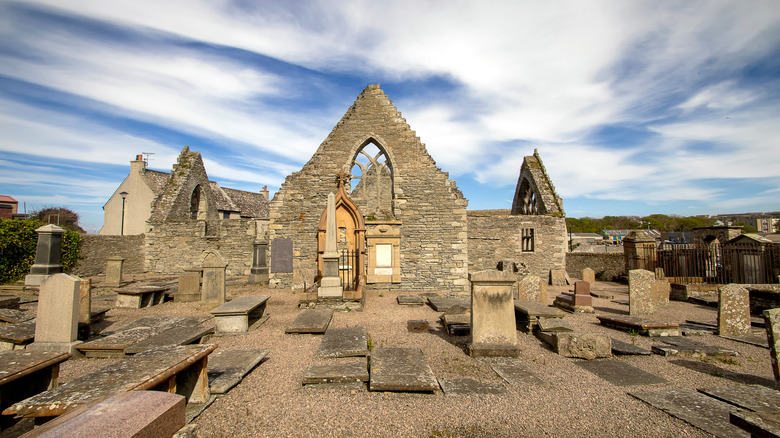
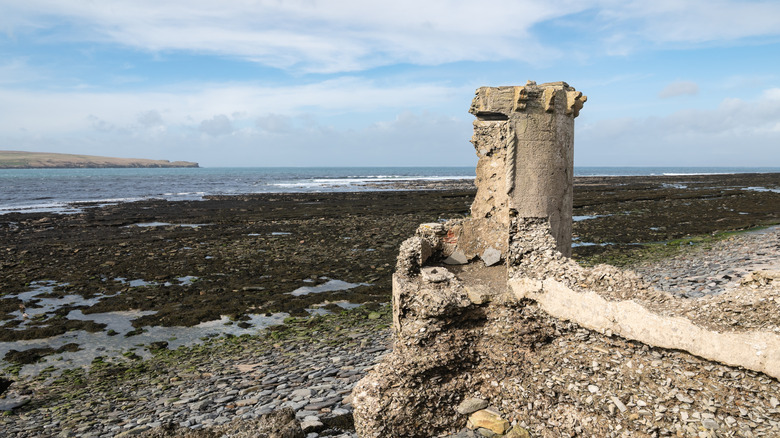
While most people think of Edinburgh for its historic ruins and castles, Thurso also offers striking relics and historical charm. Most notable is Thurso Castle, located right on the coast of the famous Thurso East surf spot. The ruins of the old castle date back to 1157, when the structure was built by Vikings before being rebuilt in 1872 as a Baron's castle. Another important ruin sits directly in the middle of town. Old St. Peter's Church and its burial grounds are a protected historical site that dates back to the 13th century. Visitors can see portions of the church still standing and see many stone relics and carvings from what used to be the interior of the church.
To really get a sense of the region's history, you can also check out the North Coast Visitor Centre. Built into the old Thurso Town Hall, which dates back to 1870, the visitor center not only provides info on what to do and where to go, but it also houses its own museum. Visitors can learn about the Caithness area's history from the present day, all the way back to the Devonian Period, some 416 million years ago. The museum houses artifacts and exhibitions about both the region's physical and cultural history.
In Thurso, history isn't just something you can look at either. Instead of big-brand hotel chains, Thurso hosts a collection of local inns and lodges constructed in historic stone buildings, like the Commercial Hotel, which opened back in 1817. The hotel's bar, The Comm Bar, is the oldest in Caithness, and on top of offering up drinks and food, visitors can also enjoy live traditional music every Wednesday. For a bit of history and luxury, travelers can also stay at the Forss House Hotel. This converted 19th-century country home sits next to a waterfall and is nestled away on 20 acres of property.