
This Asian Metropolis Was Named Best Overall Destination For 2025
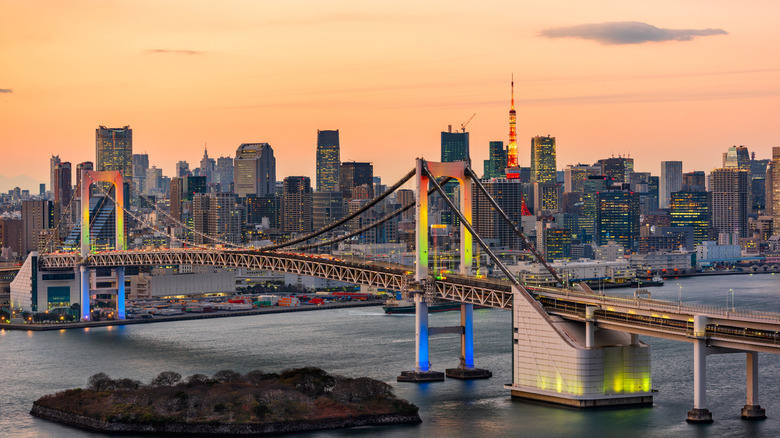
Travel media rankings, readers' choice awards, industry showcases — the end of the year always brings intriguing "best of" lists, drumming up excitement for what lies ahead. Entering the fray this year is the TOURISE Awards, a new industry event celebrating destinations shaping the future of travel. Its prize for the Best Overall Destination in 2025 went to Tokyo, a city that also bagged awards for its entertainment and culinary offerings.
Japan's sprawling, neon-dazzled, immensely lovable capital city is hardly a surprising victor. Bar a pandemic-caused downturn between 2020 and 2022, Japan has witnessed inbound tourism figures rising consistently since 2012. This has coincided with Japan's soft power boom and its cultural assets — video games, manga, anime, postmodern novels, traditional arts — finding more global relevance. The government wants to push the number of tourists to 60 million by 2030 in its bid to become a "tourism nation," many of whom will flock to Tokyo, the world's greatest megacity.
Granted, I may be biased. I lived in Tokyo for seven years, and it's been the focal point of my writing life. But there's data to back up the claim. Tokyo has the most Michelin stars of any city — 251 across 194 establishments — spanning an array of cuisines: lighter-than-air tempura, French-inspired haute cuisine, sushi that tastes like a gift from the gods, and home-cooked food delivered with fine-dining finesse. It's the home of Japanese pop culture, and its museums are treasured repositories of ancient and modern Japanese art. It's one of the world's most walkable cities (and one of the safest) with a transport system that's the envy of its peers. It's even considered the world's best destination for a workation. People often say the heart of Japan is in the countryside, but there's no denying Tokyo is what makes it tick.
Top Tokyo Experiences
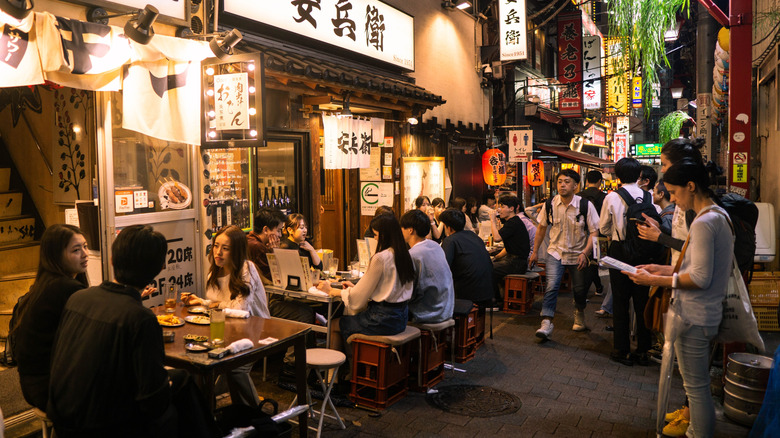
Tokyo appeals to every kind of traveler; even outdoorsfolk will find mountain trails out west and scuba diving in Ogasawara, an archipelago found 1000 km south of Tokyo Bay. Nevertheless, there are experiences no one should miss. If you can afford the splurge, eat in Michelin-starred fashion: restaurants DEN and Florilège are exemplars of modern culinary artistry without the stuffy, pretentious atmospheres. Then visit a jazz kissa, postwar enclaves where customers drink whiskey and listen to jazz on high-end sound systems. Or head to a yokocho, one of those iconic alleyways with tiny bars, but skip touristy Golden Gai for Nomiya Yokocho or Harmonica Alley.
Tokyo abounds in excellent museums, from a gallery dedicated to Yayoi Kusama to the Tokyo Metropolitan Teien Art Museum, commissioned by an art deco-loving prince. But in terms of raw appeal, nothing matches Planets and Borderless, a pair of immersive art museums by Tokyo-based collective teamLab, the former of which set the Guinness World Record for the world's most-visited museum dedicated to a single group or artist in a 12-month period. Through dynamic light projections, responsive artworks, and ambient soundscapes, both are like digital sandboxes, encouraging player agency and blurring the line between art and viewer.
Akihabara, Tokyo's "Electric Town," feels like a neighborhood-sized museum, a temple to Japanese popular culture. Lining the thoroughfare are multistory arcades, retro gaming stores, shops selling manga in myriad genres, and vast pop culture emporiums. Walk through Omotesando-Harajuku, known for its youthful energy and statement-making fashion stores, and Shimokitazawa, discovering record shops and hipster subcultures. Jimbocho, with more than 100 second-hand bookshops, was voted TimeOut's coolest neighborhood in the world for 2025, and you'll almost certainly visit Shinjuku and Shibuya (where even the toilets are tourist attractions), the poster children for what Tokyo has become.
What's New in 2026?
You can't give into nostalgia in Tokyo. In a city that shows unlimited zeal for development, there's no guaranteeing that little gyoza shop you love will still be there tomorrow. Conversely, this gives travelers different things to look forward to on each visit, whether it's a hot new bar or restaurant, a luxurious hotel's grand opening, or a redeveloped museum or attraction.
In 2026, the gates of PokéPark Kanto, the world's first permanent outdoor Pokémon theme park, will open to the public. Constructed inside Yomiuriland in Tokyo's Inagi district, it opens in February, coinciding with the franchise's 30th anniversary. Visitors can expect to find 600 Pokémon scattered throughout the park's two areas, Pokémon Forest and Sedge Town. Scheduled to open later in the year, to admittedly less fanfare, Yurakucho Park will give the business-y Yurakucho area a much-needed facelift. Built on the site of two demolished buildings, the sleek, new retail, dining, and leisure hub will be iterated upon by Pharrell and Nigo the following year. Through their "Japa Valley" project, the designers will create a space in the park — full of restaurants, sake bars, shops, and public art — that integrates seamlessly with the city.
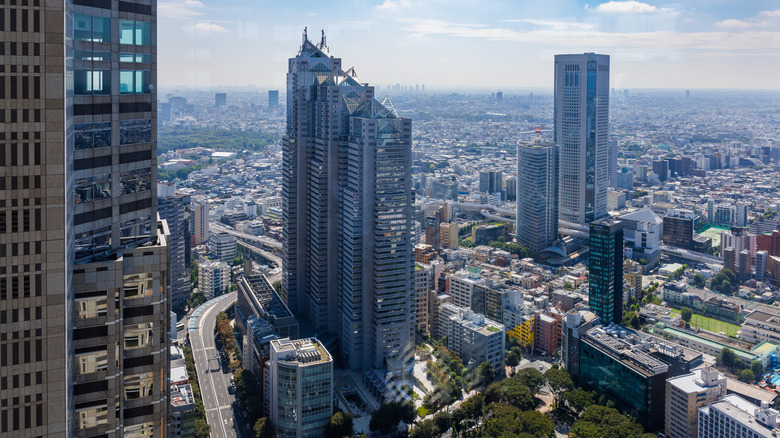
The Edo-Tokyo Museum, which explores the capital's feudal-era history, is also scheduled to reopen in 2026 following redevelopment, while the Park Hyatt hotel reopening is slated just before the New Year. Arguably Tokyo's finest five-star hotel, it hosts the New York Bar on its 52nd floor, where scenes from "Lost in Translation" were set and filmed. Conde Nast argues sumo is the sport to travel for in 2026, following a successful London sojourn. Tournaments are staged in Tokyo's Kokugikan arena in January and September each year — purchase tickets in advance at Ticket Osumo.