
America's Most Affordable State For Retirement Is A Mountainous Gem With Renowned Natural Beauty And Fun

Suppose you've hit retirement age and you're still healthy and sharp. One of your favorite pastimes is walking outdoors and spotting birds and deer. The year wouldn't feel complete without four distinct seasons, from snow-quilted winters to balmy summers. You have no interest in big cities, traffic jams, or suburban sprawl. You picture your golden years spent somewhere quiet and friendly, but also dynamic and adventurous. Laidback, but fun. Oh, and you don't want to spend a lot of money. You spent decades building up your savings, and you're not about to blow it all on daily expenses. Well, you might just love West Virginia.
Before you crinkle your nose and exclaim, "West Virginia? Are you serious?", consider how many boxes you'll tick by living here. The largest city in West Virginia is its capital, Charleston, with fewer than 50,000 people. This small state is packed with beautiful sights: Seneca Rocks and its jagged cliffs, the historic gem of Harpers Ferry and its timeless natural beauty, and the vertigo-inducing arc of the New River Gorge Bridge, the longest steel span in the Americas.
A whopping 78% of the state's land is covered in forest, and people travel here from all over the world to hike trails, bike paths, climb rock faces, drive ATVs, and cast reels in local rivers, among countless other outdoor activities. For active seniors, West Virginia has a lot going for it, and the reasonable cost of living may startle you. Indeed, a 2025 report by the online lending company NetCredit concluded that West Virginia is the most affordable U.S. state for retirees. Seniors in West Virginia live with an average of $712,921 in savings, which is about $25,000 less than the national average.
West Virginia's budget-friendly appeal
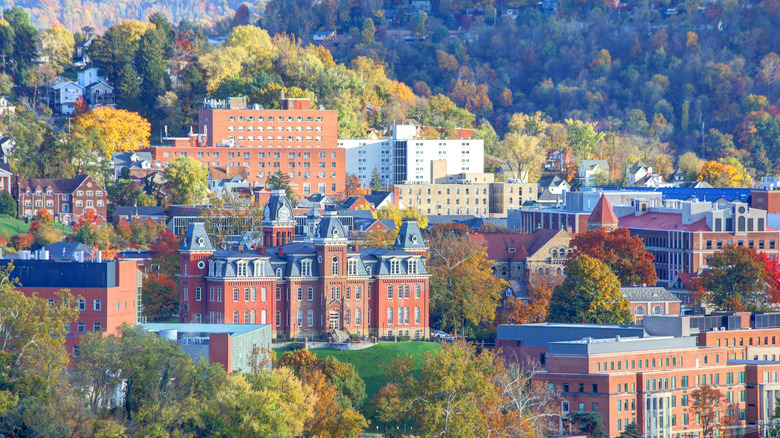
When you look at the so-called "best" states to retire in the U.S., this oddly shaped swathe of Appalachia rarely makes the cut. Yet West Virginia is famous for its rebellious heritage — including moonshiners, striking coal miners, and the feuding Hatfields and McCoys — so if retiring here goes against the grain, so be it. Yes, this region has faced plenty of challenges over the years, and its struggles are well known; poverty is a longtime issue, and low per-capita income is one reason living here is such a bargain. A stagnant economy has led to population decline, and shuttered buildings are common sights in towns like Wheeling and Morgantown; this partly explains how West Virginia has some of the least-expensive real estate in the U.S.
But there's more to the Mountain State than raw data. West Virginia has a constellation of quality retirement communities, from gated estates for active seniors — think golf and pickleball — to assisted-living facilities. The median age in West Virginia is 43, making it the third-oldest population in the country, so there are plenty of other seniors to bond with. While medical facilities are fewer and farther between than in some states, U.S. News & World Report named West Virginia University Hospital in Morgantown the best hospital system in the state, and West Virginia University's medical school is highly ranked for research and primary care. In sum, this state is suitable for senior living and budget-friendly, with medical resources and plenty of potential friends at the same stage of life.
The simple pleasures of living in Appalachia
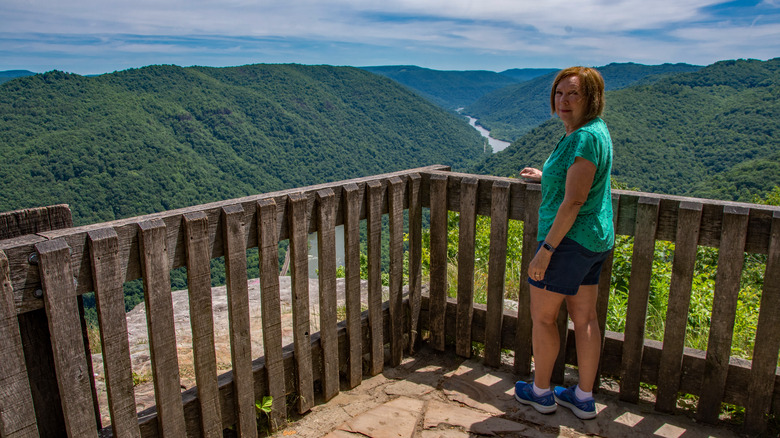
Folks may retire in West Virginia for many of the same reasons tourists vacation here: It's simply a fun place to be. The small towns are busy with community events, from county fairs to food and music festivals. Museums and art centers are everywhere; you could take a painting course at the Monongalia Arts Center in Morgantown, meet a visiting author at Taylor Books in Charleston, or learn about the fabled Appalachian monster at the Mothman Museum in Point Pleasant. The dining scenes in Morgantown and Charleston are surprisingly diverse, with fashionable gastropubs and global cuisine. Summer is generally the high season, but local ski resorts attract hordes of out-of-staters every winter as well. And the winding roads are full of surprises, including tiny twin towns packed with art, historic sites, and breweries.
Many visitors also find inspiration in the local culture, shaped by close-knit communities and hardscrabble upbringings. Just about anybody can fly to Fort Lauderdale and lie on a beach, but West Virginia has long served as a muse for storytellers and songwriters, tinkers and naturalists. Many visitors have driven through the hill country and caught themselves unconsciously humming John Denver's "Take Me Home, Country Roads." For retirees of a certain temperament, West Virginia casts a powerful spell.