
5 Of The 10 Safest Countries In The World In 2025 Are In This Unexpected Desert Region
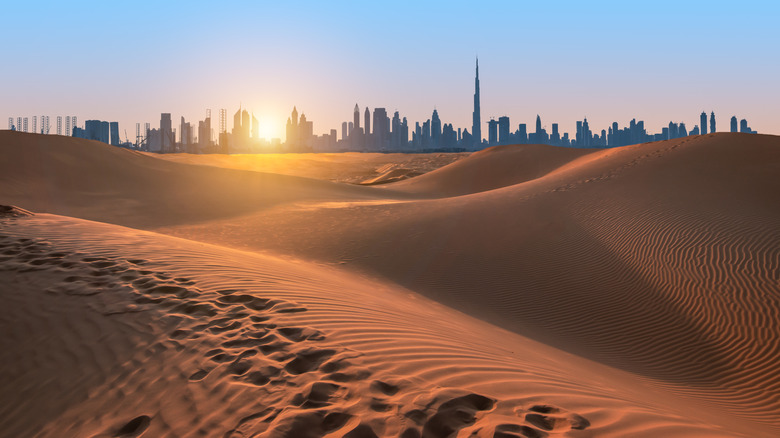
Shaped in part by patterns in Western news coverage, many share the impression that the Middle East is made up primarily of war-torn countries and unsafe destinations. While there are parts of the region that can be difficult to travel in, this broad characterization is misleading. In fact, half of the top 10 safest countries on Earth can be found between the Arabian Desert and the lush basins that snake south from Mesopotamia.
The wealthy states of the Arabian Peninsula dominate the global rankings of the world's safest nations, determined by Gallup's Global Safety Report 2025. Based on surveys conducted in 144 countries measuring how safe people feel walking alone at night, Oman, Saudi Arabia, Kuwait, Bahrain, and the United Arab Emirates (UAE) all provided their residents and visitors with a strong sense of security. By comparison, the United States ranked 61st globally. In ranking the GCC nations (Gulf Cooperation Council) amongst the safest in the world, factors including low crime rates, a shared emphasis on security, and low levels of interpersonal violence were cited as contributors to public trust and well-being.
While some travelers may have written the entire Western Asian region off as a no-go destination, there is a vast range of activities to partake in on a Middle Eastern vacation. Join a camel caravan on an excursion into the mighty Arabian Desert dunes, explore cultural traditions spanning back several thousand years, and wander through cutting-edge cities in this safe part of the world.
Explore the wild deserts and coastal delights of Oman and Saudi Arabia
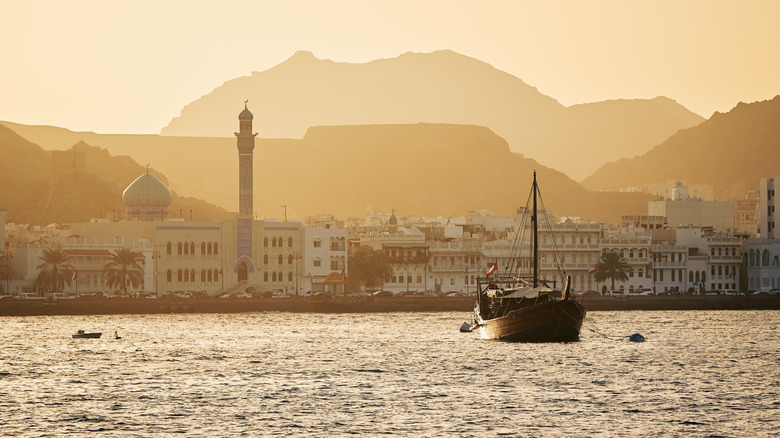
Underrated by the wider global travel communities, the peninsular nations of Oman and Saudi Arabia have a wide range of adventures and cultural intrigues to investigate. Oman, an ancient kingdom perched on the peninsula's southern coast, is a good introduction for visitors who have yet to venture into the Middle East. Its spanning turquoise coast stretches up around the eastern cusp of the peninsula, where the capital city of Muscat has meticulously crafted mosques, historic forts, and a covered souq scented with the thick perfumes quintessential in the Middle East. Inland, dunes the size of city skyscrapers conceal camel-flanked nomad camps, while verdant mountain ranges have ancient villages carved into their rock faces.
The quiet coastal destination is particularly praised by solo female travelers as one of the safest destinations to visit. With extremely low homicide rates and respect for others embedded into the local culture, along with excellent infrastructure and healthcare services, Oman puts even the most vulnerable travelers at ease.
Saudi Arabia, which long limited tourism outside of religious pilgrimage, has expanded access to international visitors in recent years. Slowly, the world is coming to know the surreal landscapes hidden in the Saudi deserts, sand-hewn cities established several thousands of years ago, and the ultra-luxury experiences to be enjoyed in the wealthy and secure destination. A top performer in worldwide law and order rankings and a destination where locals feel safe when walking alone at night, the strict system in place in the Middle Eastern nation has created a distinct sense of security among locals and travelers alike.
Experience modern metropolises in Kuwait, Bahrain, and the United Arab Emirates
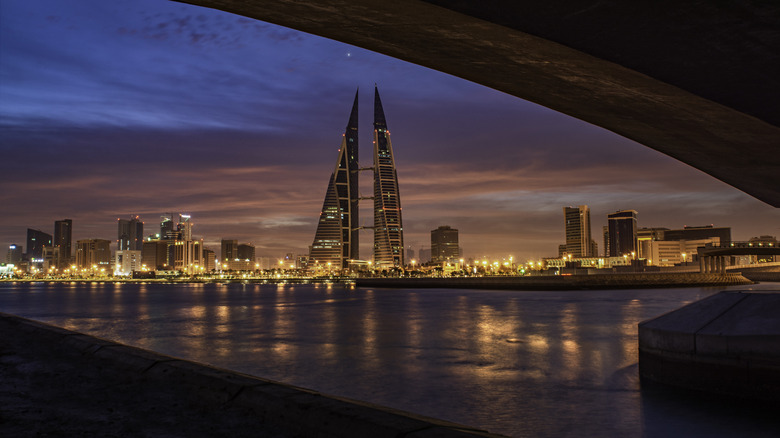
Scattered along the eastern coast of the Arabian Peninsula, the peaceful Arab states of Kuwait, Bahrain, and the UAE have gained global attention for their ultra-modern cities and luxury travel experiences. However, beyond the headline-grabbing Dubai, the region's lively hubs with world-class museums, desert dunes, and thrilling theme parks are still not frequently explored by travelers. The UAE's centers of high-end travel, Dubai and Abu Dhabi, come with the added benefit of an exceedingly low crime rate across the country.
Kuwait, similarly secure and known for its political and social stability and consistently low crime rates, sits between the vast open dunes of Saudi Arabia and the verdant valleys of Iraq. Its capital, Kuwait City, has all the essential elements of a safe and modern Arab city — up-to-date infrastructure, good public services, and a blend of traditional and modern architecture characteristic of the Gulf. However, unlike some of its flashier neighbors, it hasn't followed the same ultra-luxury travel track. Travelers seeking to get an authentic taste of peninsular culture, exploring traditional markets, mosques, and museums, should choose this safe Middle Eastern destination.
Bahrain, a small nearby island nation, also flies under the global travel radar. Once situated at the core of the Dilmun empire, the country's ancient legacy and its modern capital, Manama, sat at the confluence of Middle Eastern history. Better known today for its considerable oil wealth, modern infrastructure, and long-established expat communities, the secure country with low crime rates offers a peaceful insight into one of the most fascinating parts of West Asia. Its intriguing museums, forts, and markets are ideal for travelers seeking insight into Middle Eastern history in a safe and peaceful city environment.