
Retirement Is 'Shockingly Affordable' In This South American Country Of Unmatched Beauty

In recent decades, more and more working adults have fantasized about retiring in Latin America. Professionals in the U.S. and Europe, weary of cold winters and repetitive lifestyles, daydream about their golden years in tropical beach towns or slow-paced pueblos. While Mexico, Costa Rica, Puerto Rico, and Panama are all easy to imagine as expat havens, one country is full of surprises: Peru. This South American nation straddles the Andes Mountains and was the former epicenter of the Inca Empire.
Peru was featured prominently in a 2025 video by Ré, founder of the overseas retirement website Adventure Freaksss. "Rent here is shockingly affordable," said Ré. "You can find two-bedroom homes for approximately $250 to $350 per month in the valley, with views of the mountains that would cost you millions in the U.S." The financials are important, of course, but Ré is also taken with the country itself. "Peru's combination of affordability, jaw-dropping landscapes, rich history, and welcoming people is gaining traction fast."
Ré isn't alone. The website Investopedia listed Peru among its "5 Latin American Destinations Where You Can Retire Comfortably on $2,000" in 2025, and Money.com included Peru as one of "4 Under-the-Radar Countries Where You Can Retire for Cheap" in 2017. The growing consensus is this: Peru isn't a household name among late-career professionals — yet. But it has all the makings of a retirement hub in the foreseeable future. Current expats in Lima and Cuzco may one day be able to say, "I retired in Peru before it was popular."
Why Peru attracts foreign retirees

Low rent offers the biggest savings for retirees, and the money app Wise found that related utilities generally add up to a little over $100 USD per month in Peru. Otherwise, daily expenses vary across the country, and certain pricing — like international health care packages — will depend on the individual. Uros Expeditions, a Peru-based tour company, suggests a weekly grocery budget of $25 to $40 USD per person in Lima's Miraflores / San Isidro, and certain products, like locally sourced potatoes and fish, will likely cost less than imported goods. Local bus fare is typically $1 or less, and a reasonable taxi ride in Lima should cost between $3 and $6 USD. These costs are even less in smaller cities.
If you're window-shopping for places to settle, the Peruvian government makes it easy. No special visa is required, and U.S. passport-holders can stay for up to 90 days with a single stamp. You can scope out the vibe in Cuzco, a wildly affordable city with ancient ruins, local flavors, and breathtaking hikes, or you can hang around Paracas, an underrated beach town that's the gateway to a world of sandy cliffs and ocean views.
Wherever you spend your time in the "Land of the Incas," getting in touch with real estate professionals is a good idea to gauge everyday prices in supermarkets and pharmacies. You can also survey locals about healthcare and hospitals. If you like what you're seeing and can picture a life there, you can start on the paperwork for a "Rentista" visa, which entitles you to six-month stays in the country. Just be prepared to prove that you consistently earn at least $1,000 per month. Social security payments naturally count.
Basic considerations for retiring in Peru
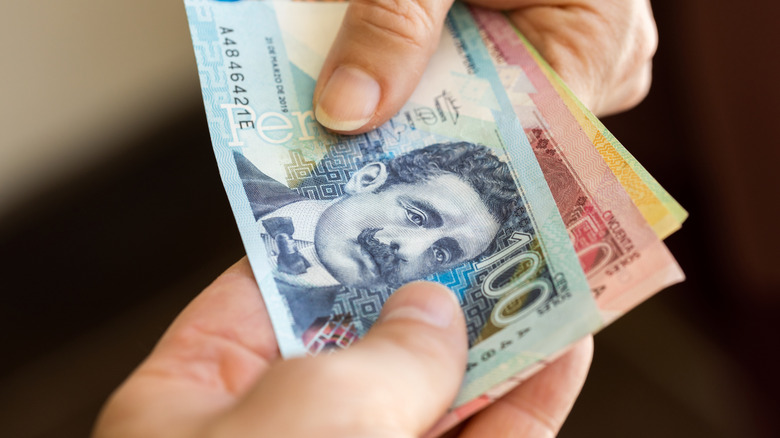
Peru is a country of contrasts. It's generally considered to be stable and tourist-friendly as of 2025. Lima is a large city with many modern amenities, such as high-rise condominiums, superlative restaurants, and well-stocked supermarkets. An entire industry is building up around expat living, and middle-class Americans and Europeans shouldn't have much trouble finding a comfortable place to live. Banking and transactions are easier than ever, including widespread ATMs, credit card readers, and QR payments. Speaking some Spanish helps enormously, though an estimated 11% of Peruvians speak English as a second language, mostly in tourist-trafficked areas.
At the same time, there are reasons Peru is such a bargain. The country has struggled with environmental issues, especially the air quality in major cities, and many first-time visitors have to adapt to a grittier quality of life. Poverty is widespread across the country, and illegal activity is on the rise. In recent years, political unrest has gone through periods of fluctuation. Organized crime in Lima is well known, and inexperienced travelers should think twice before visiting this — and other — dangerous South American cities. Retirees may face scams, price gouging, and aggressive service people trying to take advantage of their acclimation. Like so many places, the reality of living in Peru may feel very different from vacationing there, but there's a lot to love, and retirees who persevere might begin their best chapter yet.