
The Island Of Kauai Has Banned This Popular Affordable Beach Gear Once And For All
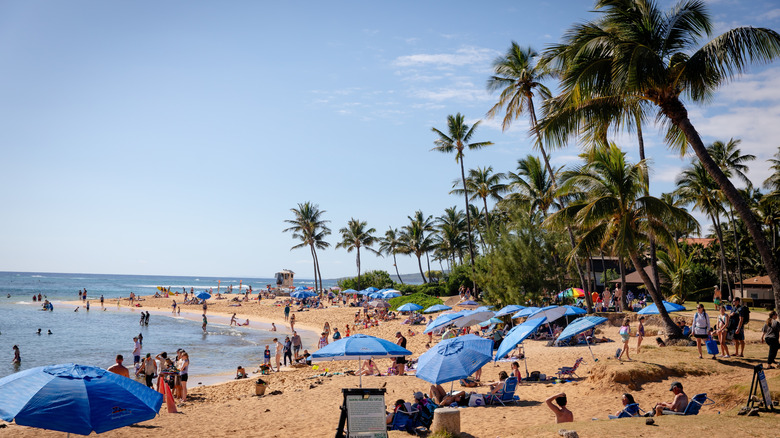
Hawaii has a renewed focus on environmental sustainability and preservation of its unique ecosystems, resulting in several big changes to be aware of before booking your next vacation. Certain islands are also implementing their own policies to reduce pollution, such as the island of Kauai, which has issued a ban on disposable plastic bodyboards. The bill, signed by County Mayor Derek S.K. Kawakami, prohibits "the sale, rental, or distribution of disposable bodyboards" within Kauai. First-time offenders will be fined $100, while repeat offenders can pay as much as $500 each time they're caught within one year.
These popular bodyboards, while a lot cheaper than their non-disposable counterparts, typically contain polystyrene foam, a common form of plastic waste. The undegradable material can be life-threatening for marine animals and ecosystems when broken into small pieces. Once ingested, polystyrene can release harmful toxins. Plastic pollution is a constant strain on Hawaii, with over 15 tons of waste washing up on its shores annually, according to Hawai'i Wildlife Fund. While a lot of this is due to plastic waste arriving here from other parts of the world, the state's over 9 million annual visitors also leave behind a lot of single-use plastics, including disposable bodyboards.
This plastic has been found in dolphins, fish, seabirds, turtles, seals, and other Hawaiian wildlife over the years. So it's no surprise Kauai wants to quickly eradicate one more source of pollution — the ban will go into effect in one year's time. "Disposable bodyboards may seem small, but their impact has been anything but small," says Mayor Kawakami in an official press release. "By eliminating polystyrene foam boards from stores and rentals, we are protecting our beaches, our ocean, and the wildlife that calls Kauai home."
Embrace eco-conscious bodyboarding in Kauai

You may question how much banning disposable bodyboards can actually help the environment, but you'd be surprised. Polystyrene comprises a significant portion of all marine debris. Plus, in addition to having its own toxins, it also transports other toxic substances and waste. Because these boards are cheap and poorly made, they are more likely to break. Bits of broken polystyrene float out to sea, and tourists often leave the boards on beaches, where they're eventually washed away. This is the exact reason why Maui has had its own disposable bodyboard ban in effect since August 2022.
For Kauai, banning these bodyboards doesn't mean banning fun at the beach. The island simply wants visitors and businesses to adopt more eco-friendly practices. In the same press release, council member Fern Holland says, "By encouraging durable alternatives, we are reducing waste, protecting marine life, and ensuring our islands remain beautiful for generations to come." For visitors, instead of buying and discarding cheap polystyrene ones, you'll have to rent good-quality bodyboards from businesses that comply with the state's new policy.
Depending on how many days you want it, renting a bodyboard instead of buying one may cost more. Hawaii rental and tourism agency Boss Frog's rents them for about $9 at the time of this writing. The cost may be higher initially, but the payoff is helping preserve Hawaii's animals and ecosystems for generations to come. These environmentally focused changes are a big part of why it's becoming more expensive to visit Hawaii, leading to a decline in tourism and an increase in holiday spending. If the Aloha State is now too expensive, you could try vacationing on Mount Desert Island or Amelia Island, two of the five best island escapes in America that aren't in Hawaii.