
Who Makes The Final Decision To Actually Cancel A Flight?
All frequent flyers know the feeling. You arrive at the airport early, wait in line at security, and proceed to your gate only to find out your flight has been delayed. First it's twenty minutes, then it's an hour, and finally, as the crowd grows restless around the gate, you hear the dreaded announcement: Your flight has been cancelled. This scenario is frustratingly common, but it may leave you wondering what happened. Who exactly makes the decision to cancel a flight? The short answer is it's a combination of people and technology.
According to the Bureau of Transportation Statistics, the most common reasons flights get cancelled include extreme weather conditions, heavy runway traffic, staff issues (whether maintenance, crew, or air traffic control), and the trickle-down effect of late-arriving aircraft which causes delays for the rest of the system. In rare cases, flights can be delayed for more bizarre reasons like an extremely intoxicated passenger, a shortage of toilet paper, or problems with animals onboard the aircraft. Learn the hidden warning signs your flight is about to be delayed or cancelled to stay ahead of the curve.
Depending on the airline, the operation center employs a mix of humans — aviation specialists, dispatchers, and meteorologists, for example — and algorithms that crunch the available data. Together, they figure out which flights to cut, taking into consideration public safety while striving to avoid major disruptions for travelers. Still, at the end of the day, the pilot-in-command is the final authority on the operation of an aircraft and can cancel a flight unilaterally if safety is a concern. This isn't company policy, it's the law.
Aviation experts and algorithms
Every airline handles decisions in its own way. "Weather affects all the flights at an airport equally, but the way airlines respond is not equal," said aviation expert William McGee in an interview with AFAR Magazine. The same is true for cancellations caused by factors other than weather.
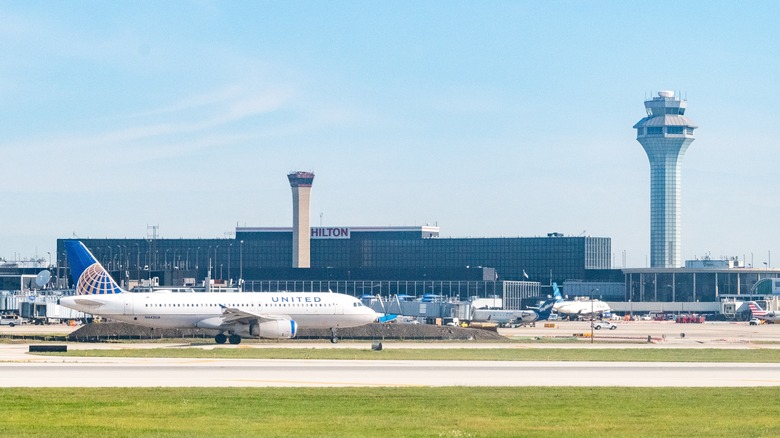
In a 2022 report by the ABC affiliate Denver7, a representative from United Airlines said that cancellations are issued by teams of employees at the airline's control center in Chicago's Willis Tower, home to the highest observation deck in America. In the same article, a media relations executive from Delta specified that such decisions are made by people. "Flights aren't cancelled by a computer," said Catherine Morrow. "We have a staff meteorologist who will work with the people in the operations and customer center and decide which flights to cancel based on what will affect the least number of people."
While you might not be able to prevent your flight from being delayed or cancelled, you can stay informed by subscribing to text or email updates from the airline. Another great resource is the U.S. Department of Transportation's Airline Cancellation and Delay Dashboard, which displays information about the amenities provided by various airlines if and when your travel schedule is disrupted.