
This Remote South Pacific Island Is An Under-The-Radar Haven With Lush Volcanic Peaks And Pristine Reefs
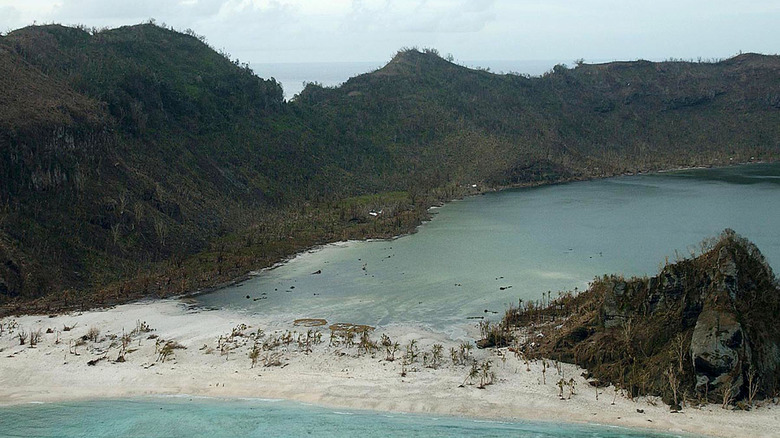
Encased in the vivid blue depths and spots of turquoise of the South Pacific, the remotest spot of the Solomon Islands is a volcanic island known as Tikopia with breathtaking reefs, and a unique cultural background. The capital of the Solomon Islands, Honiara (located in the most visited Western Region), may get most of the attention — and for good reason, with world-class snorkeling on unspoiled reef and gorgeous beaches . Yet some of the nation's lesser-visited locations offer unique opportunities to experience island nature and life at its most unspoiled. With all the charms of a Pacific island without any crowd, the under-the-radar island of Tikopia has kept its pristine, lush appearance, from the volcanic peaks forming the geological bedrock of the nation to untouched coral reefs brimming with colorful fish.
Tikopia is not for everyone. As one of the most remote islands, located in the easternmost corner of the Solomon Islands, not many visitors brave the trip each year. That is partly due to the few and time-intensive transport connections — it takes about five days to reach it from Honiara, and three from Lata by ship — as well as the lack of infrastructure, with no hotels or official overnight lodgings. But that is the primary fascination about this unspoiled corner of the world. Tikopia has held steadfast to its values, traditions, and self-sufficient island economy. An outlier in the Melanesian islands, Tikopia's cultural and ancestral roots are actually Polynesian. In fact, the island's rich culture — including its interactions with the natural world and surrounding oceanic waters — is considered to be a unique mix of Melanesian and Polynesian customs, and its language and roots are more closely related to Tonga and Samoa.
Remote Tikopia is home to lush volcanic peaks and lake trails
Like many islands in the Pacific, Tikopia is entirely volcanic. Over the millennia since its formation, volcanic ashes have fertilized the soil, creating the perfect conditions for Tikopia to have a lush jungle environment. Hiking along Lake Te Roto (which divides the island's two regions) is a great way to learn the lay of the land and experience the verdant vegetation growing on its volcanic peaks. The lake itself is an old volcanic crater, measuring about 260 feet deep.
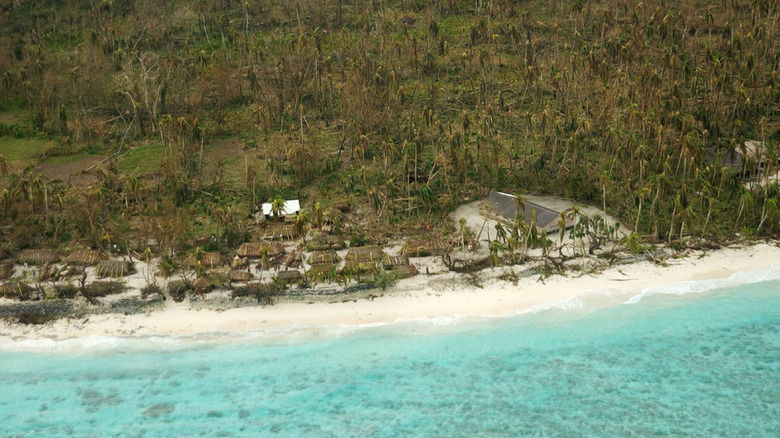
Trekking and bird watching are popular activities to be enjoyed on the island, and so is hiking around Mount Reani, the highest peak on Tikopia at about 1250 ft tall. It 's even more fascinating when you think this tiny island packs volcanic crevices, splendid stretches of beach, and tropical greenery within its modest 5 square kilometers. Sadly, a lot of its vegetation was destroyed and many islanders were displaced by the tragic environmental event of Cyclone Zoe striking in 2002. But that was also an occasion which cemented the island community's strength, and led to a display of its self-sufficiency even during times of uncertainty.
As an example of Tikopia's respect for its community, before setting off to explore the island, all visitors must ask for permission from the four chiefs governing Tikopia and the neighboring Anuta and Fatutaka islands, and by paying their respects, effectively embrace the community's kindness and local customs. The four chiefs live in low-thatched huts built to endure environmental events such as cyclones, and they are in charge of supervising the island's resource usage. In fact, the Tikopian population is strictly regulated, to make sure island inhabitants don't outnumber resources.
Pristine reefs and coral biodiversity make Tikopia unique
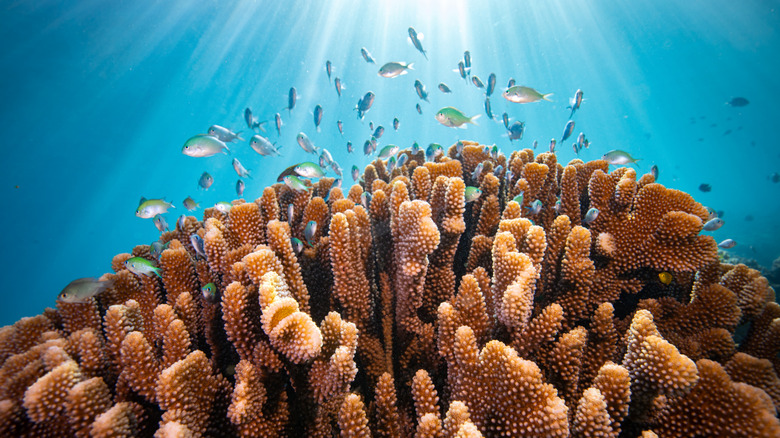
Many people associate unrivaled snorkeling and diving experiences with the neighboring island nation of Fiji, with a man-made reef of 'super corals' known for wonderful snorkeling. Several thousand kilometers to the west of Fiji (and its capital Suva, renowned for providing a stress-free vacation), the Solomon Islands have access to a similar oceanic playground rife with pristine reefs. The island nation is known for its underwater biodiversity, home to shallow reefs full of stunning corals, both soft and hard. Though that may not be the primary reason people visit the island, the same applies to Tikopia, with its crystal clear waters and surrounding coral reef.
There is also a wider plethora of marine biodiversity in the area, with sperm whales, blue whales, killer whales, and several dolphin species all regularly spotted. And even if the island is not home to a huge amount of native plant or animal species living on land, it's worthy of being observed as a great example of a balanced and self-sufficient ecosystem.
You don't have to stray to the remotest corner of the Pacific to find volcanic remnants and breathtaking reefs. For a taste of unspoiled coral reef and WWII history, Tutuila, the largest South Pacific island, is a great first approach to this enchanting corner of the world. Plus, since it's part of American Samoa, it's the perfect place to lower yourself gently into the kaleidoscopic world of Pacific islands.