
The 'Most Walkable Tourist Destination On Earth' Is A Sunny Europe Capital Full Of Attractions
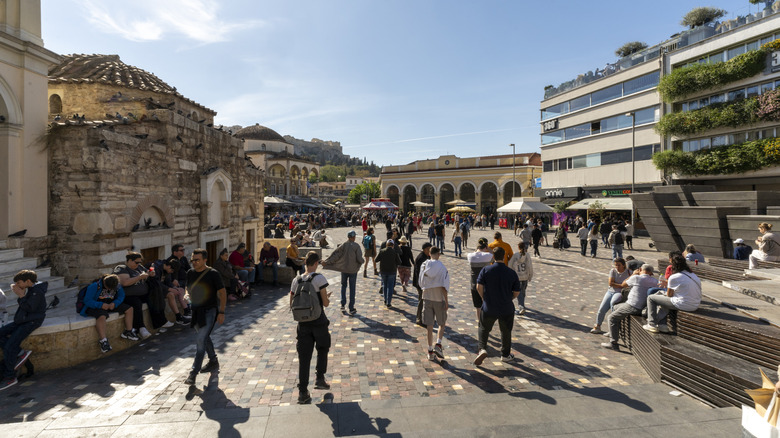
Few cities wear their own weighty sense of antiquity as proudly as Athens, a modern European capital built amid the crumbling ruins of the ancient world. In the 5,000 or so years since the city was first inhabited, many things have changed — chic rooftop cocktail bars and radical street art are recent additions — while others have remained steadfastly the same, from the sun-stunned atmosphere that cloaks Greece's Attica Peninsula to the walkability of its lively pedestrian-only streets. Athens is such a joy to stroll around, in fact, that BookRetreats named it the most walkable destination on Earth in its Holiday Happiness Index.
To compile the index, BookRetreats collaborated with Dr. Natalie Dattilo-Ryan, a psychologist and holistic happiness expert. Ryan told the platform that happiness results from mood-boosting hormones like dopamine, serotonin, endorphins, and oxytocin. "These chemicals influence everything from mood and sleep to energy and digestion," Ryan added. "And many of the things that trigger them, like sunlight, movement, food, and quality rest, are often part of a good holiday, if you choose the right destination."
Athens is certainly a city that will keep you moving. The 2,700-plus hours of annual sunshine it receives are a boon to walkers, while its streetside cafes, lively squares, and beaches also encourage strolling. Atmospheric tavernas, many of them centered on the simultaneously classic and in-vogue Mediterranean diet, are so plentiful you could turn any number of neighborhoods into a culinary pilgrimage. And there's such an abundance of historic attractions that you'll literally stumble upon them — any ruin uncovered in Athens must be left visible and in situ, even if it's on private property — as you explore the city. No matter where you go in Athens, or what you choose to see, you can't beat doing it on foot.
Seeing Athens on foot
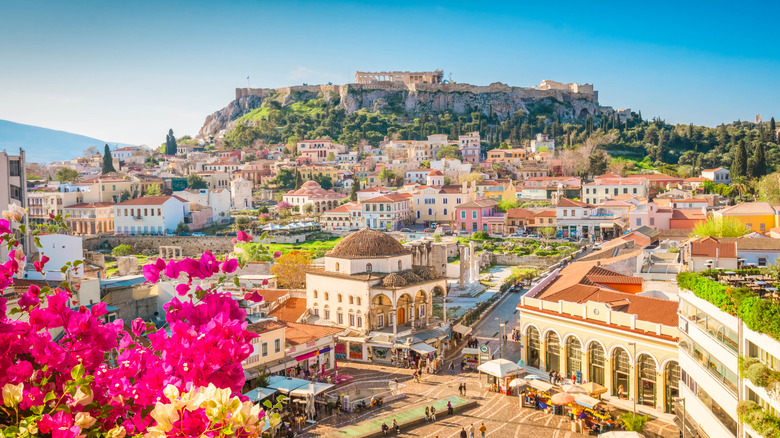
The Acropolis, standing citadel-like in the heart of Athens, is the chief attraction, an indelible symbol of the Greek nation, with views of it from nearly every thoroughfare and winding flagstone lane. Atop this knobbled rocky outcrop sits the Parthenon, a temple to Athena, the goddess from which Athens takes its name. Whether basking in a mid-morning sun or lit up at night like a golden fort, the Acropolis is a constant reminder of where you are and of the influence ancient Greece exerts on the modern world. The singularly important site is one reason why Athens is the best city to start your Greek vacation.
But it's merely a flavor of what's to come. Strolling through the central neighborhoods of Plaka, Koukaki, and Monastriaki, you'll pass ancient agoras and marketplaces, temples to Hepheastus and Zeus, and the Panathenaic Stadium, host of the first modern Olympic Games in 1896. Turn your walk into a run here by joining the morning joggers between 7:30 and 9 am for laps of the hairpin track. Hadrian's Library, a little north of the Acropolis, also merits a visit. Built by the eponymous Roman Emperor — who had a penchant for building things — in the second century, it's now largely in ruin, but the site's scale shows how important it was during the days of Roman rule.
Between all these historic monuments are cafes shaded under flowering bougainvillea and tavernas dishing out the Greek classics: dolmades, tzatziki, deep-fried zucchini, fresh feta salads, and succulent lamb chops, washed down with cold Mythos beer, carafes of retsina, or syrupy-sweet Greek coffee. Consider these establishments as rest stops on your long city strolls. Seventy-year-old Taverna Klimataria and Restaurant Scholario, both centrally located and serving sumptuous Greek soul food, are a good pair to get you started.
Walking through Off-Beat Athens
You can build up your daily step count further by veering off the tourist trail and exploring neighborhoods like Mets. Squeezed between hills and looking like a secluded residential district, Mets is much closer to central Athens than appearances suggest, with the Panathenaic, the Temple of Zeus, and the National Garden all a short stroll away. Among the rows of neat houses and gardens, you'll find cool bars and cafes and the city's Half Note Jazz Club. Though close by geographical standards, Mets feels far from the tourist crush of Monastriaki.
Similarly, Exarcheia is a great addition to any walking tour. Full of boho artists, radical bookstores, record shops, hipster-y bars, and wild graffiti, it's a lens onto a different type of Athens. There is some anti-tourist sentiment in the area, as many locals believe gentrification and Airbnbs are pricing out residents and impacting the quality of life of those who can afford to stay. But that rough-around-the-edges atmosphere is part of the area's charm, and most people you meet are friendlier than some of the brochure messaging might suggest. While here, be sure to climb Strefi Hill for unimpeded views of the city, sprawling across the peninsula.
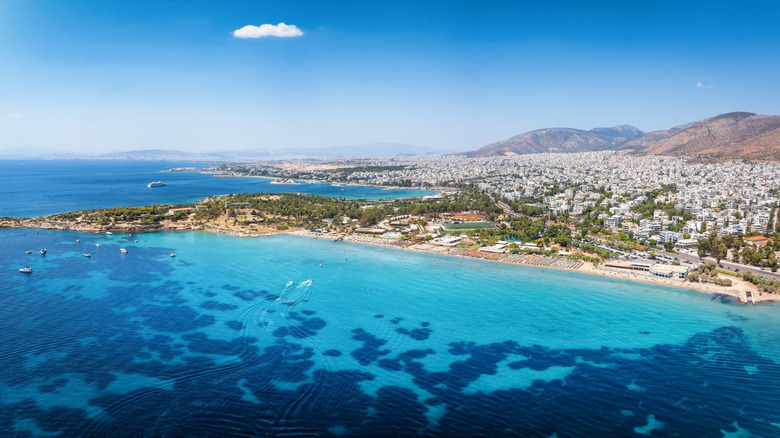
Another option is to stroll along the Athens Riviera. You'll probably take an Uber or public transport out here, as it's several miles south of the city, but you can then do your wandering on foot. With cozy streets, lined as always by tavernas and cafes, and sun-dappled beaches perfect for swimming, the once-glamorous Athens Riviera area is making a big comeback. Given its proximity to the city, the beach at Palio Faliro is popular among Athenian urbanites, but the beaches at Voula and Glyfada are arguably better. Alternatively, visit Rafina, on the east coast of the Attica peninsula. A dreamy seaside town with Greek island vibes, it's an hour's drive from central Athens.