
2026's 'Destination Of The Year' Is A Tropical Paradise In The Americas With Beaches And Lively City Life
If you're making travel plans for the new year, Travel + Leisure just made an announcement you'll want to hear: Brazil is the Destination of the Year for 2026. The special Brazil-themed issue praised the tropical paradise as a place where you should explore "every texture, sight, smell, and vibe," from its iconic beaches to its lively city life.
Brazil, home to 213 million residents and encompassing the world's fifth-largest land area, is trending across the media sphere. Lonely Planet included Liberdade, a Japanese neighborhood in São Paulo, among its top destinations for 2026. Rio de Janeiro just picked up a slew of trophies at the recent World Travel Awards and a "best of the world" nod from National Geographic. The iconic beach city was also listed among the most booked destinations for 2026, but there's certainly more to the country than pop star Anitta's hometown.
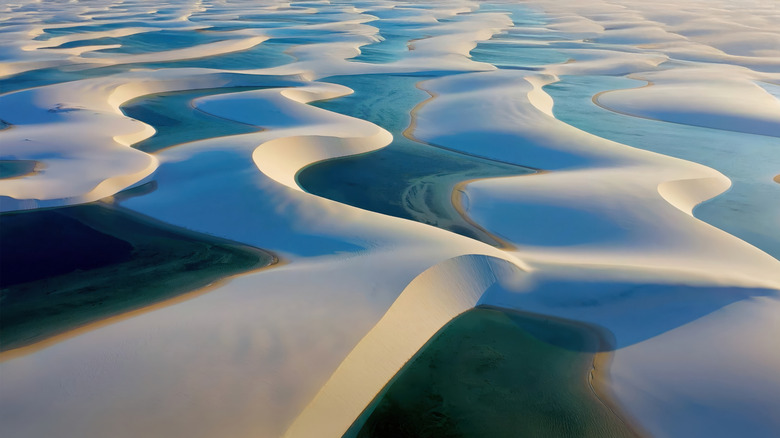
The Portuguese-speaking country is a tropical paradise that features 75 national parks, epic biodiversity, beaches, rainforest, and lively city life in South America's largest country. The national parks system includes Iguazú Falls, the largest waterfall system in the world and a UNESCO World Heritage site with sweeping views that showcase its sheer scale. Book a stay at the luxury Belmond Hotel Das Cataratas overlooking the falls, the only hotel inside the park. Another must-see UNESCO World Heritage Site is Lençóis Maranhenses (pictured). After the rainy season, this national park becomes a white-sand wonderland with crescent-shaped freshwater lagoons as far as the eye can see. Bring a bathing suit and sandboard directly into the water.
The beautiful and diverse beaches of Brazil
With more than 4,600 miles of coastline, Brazil has an abundance of jungle, city, and coastal beaches that benefit from the warm tropical weather. Rio features iconic city beaches like Ipanema and Copacabana, while nearby Ilha Grande offers a quick escape from the crowds with sandy beaches, hiking trails, and water sports on an island that can be reached by boat in as little as 30 minutes. Other southern spots include under-the-radar Paraty, Guarujá (Brazil's 'Pearl of the Atlantic'), and Búzios, a beach city made famous in the 1960s with a visit from actress and singer Brigitte Bardot. Though less traveled, the north boasts an embarrassing wealth of beaches in coastal towns like Pipa and Jericoacoara, while Porto de Galinhas wows visitors with stunning natural pools and walkable reefs during low tide.
Still, the most beautiful beaches in Brazil might be on Fernando de Noronha, the likely inspiration for the island in Thomas More's Utopia. The namesake island in the archipelago features beaches like Conceição, Sancho, and Cachorro with a mix of rock, sand, and shallow tide pools. These beaches are typically less crowded because a very limited number of tourists can stay on the island at a given time.
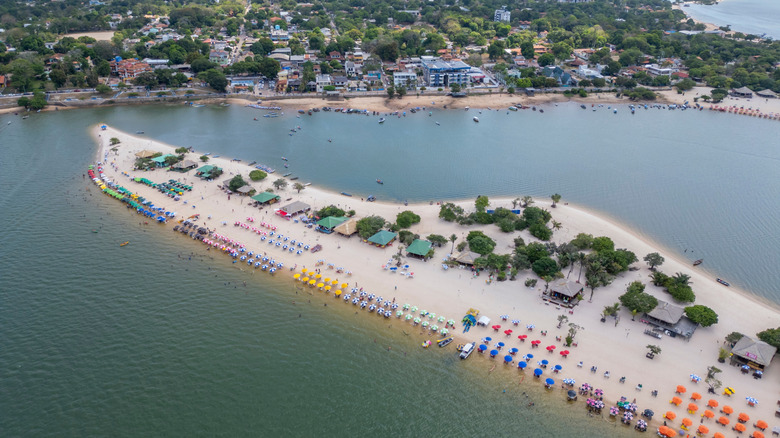
Brazil holds two-thirds of the Amazon, the world's largest tropical rainforest, which is surprisingly home to its own tropical beach paradise. Alter do Chão (pictured), the so-called 'Caribbean of the Amazon,' offers white sand beaches along the Rio Tapajós, a smaller tributary that breaks off from the Amazon River.
Brazil's lively city life and food scenes
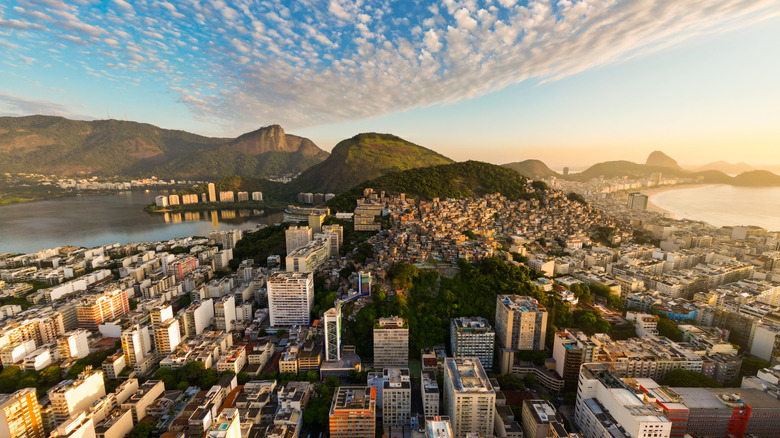
More than half of the most populated cities in South America are located in Brazil, so it's no surprise that the country has such a lively city life. Most famous for its epic Carnival celebrations in Rio, Salvador, Recife, Olinda, and Belo Horizonte, as well as the Ressaca (or "hangover") afterparty on Tinharé Island, all the big cities are hopping with nightlife throughout the year, and even throughout the week. The outdoor Pirata Bar in Fortaleza, for example, throws the "2nd craziest fair in the world" every Monday night. But Brazil's cities offer more than a famous party vibe, they're full of culturally rich neighborhoods and museums, bustling local markets and glitzy high-end shops, live music and — of course — energetic 'futebol' venues.
Restaurants play a big role in Brazilian city life, with Travel + Leisure describing the food scene as "on fire" and one of the reasons for its top destination honors. São Paulo rules fine-dining with world-class establishments, 17 of which have earned Michelin stars. These include nine Michelin-starred Japanese restaurants and three Michelin two-star restaurants including the celebrated Brazilian-focused D.O.M., and Italian cuisine powerhouse Evvai. But it's in the city of Belém — a UNESCO Creative City of Gastronomy — where the Amazon River meets the Atlantic Ocean and Indigenous traditions are shaping an emerging culinary scene.
Most people visiting Brazil will arrive by plane at Galeão International Airport in Rio de Janeiro or Guarulhos International Airport in São Paulo. All three major U.S. carriers (Delta, American, and United Airlines) offer direct connections, with a flight between Miami and São Paulo typically lasting less than nine hours. Just remember that Brazil started requiring visas in 2025 for U.S. tourists (available online for qualifying citizens).