
America's 5 Best Cities For Escaping Inflation Through 2026, According To Statistics

It's perhaps the most under-appreciated ritual in travel. You check in, unpack your suitcase, head out to a shop, then start looking at sticker prices, comparing them to costs at home. It's a seemingly benign act of discovery nearly all travelers practice (it's much less depressing than the sticker shock of seeing flights getting more and more expensive). Yet in the post-pandemic era, those early price comparisons can forecast how a trip is going to go, with inflation hitting the country unevenly over the last five years. Whether you're visiting a scenic location along a coastline or an unsung beauty with Midwest charm, nothing wrecks your itinerary faster than a destination that unexpectedly trounces your budget. Fortunately, statistics show that there are five American cities where travelers can escape inflation in 2026.
The rising costs of consumer goods across nearly all segments of the economy have been a recurring theme for economic analysts, though things have slowed significantly since 2021's dizzying 7% inflation. The Bureau of Labor Statistics most recently pegged inflation at 2.7% over the last year ending in October.
The rise in prices spread unevenly around the country, though, with cities bookending the continent making up a majority of America's worst cities for inflation, and the champion somewhere in the middle (hello, Denver). But the opposite is also true. Some cities have weathered inflation with relative ease, according to data compiled by the personal finance site WalletHub. While the analysis compares inflation across two time periods, it paints an accurate picture of inflation's scattershot spread across the country. Only Florida has two cities ranked in the top five, while the rest of the names may come as a surprise.
Houston finds breathing room from higher prices
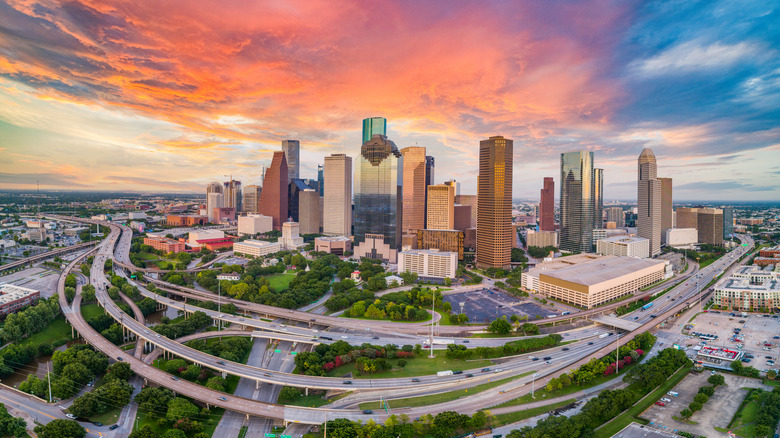
The Bayou City already rewards travelers as one of the most diverse cities in America. That translates into its rich food scene. And with the city's Johnson Space Center, one of the state's best attractions, expectations in Houston are clearly sky-high. Yet Texas' largest city by population is also the nation's smallest when it comes to overall inflation.
The Texas hub kept its prices in check, having among the lowest changes in Consumer Price Index across three months, as well as one year, ranking 21st and 22nd, respectively. That sustained period of low inflation meant it handled the decade's biggest economic headache with tact.
The low inflation combines with Houston's already-low cost of living, ranking 64th in the nation, according to data compiled by Numbeo. Travelers will probably notice Houston's inflation victory and low prices at one of its eateries offering lunch for $10 or under. Locals on social media tend to be circumspect about their city's rank. "It's cheap here, which is why so many people live here. But also, a lot of people here don't get paid much," wrote one Reddit user. "It's a good city to be a bum."
Detroit's more forgiving economy
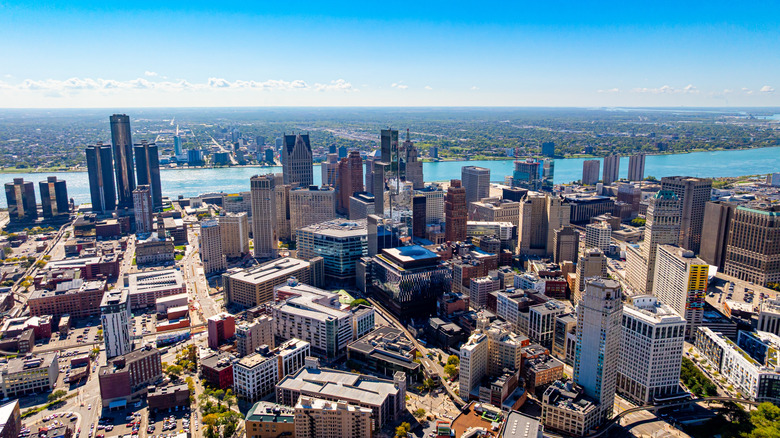
Detroit's high ranking on the list isn't that surprising when you consider one of Motown's foundational songs is "Money (That's What I Want)". The hit song offered a statement of purpose for the fledgling music label, a pro-capitalist treatise, and also the city's marching orders. Of course, things didn't work out for the Motor City over the longer term; the once-thriving manufacturing hub lost over half its population. Still, it bypassed the country's inflation woes over the last year.
While the nation saw prices increasing at close to 3% over the last 12 months, Detroit's increased by less than 1%, both in the long and short term. Not that inflation bypassed the city entirely. Costs rose over the course of the 2020s, causing one of the most dramatic increases in the cost of travel.
Michigan's largest city by population enjoys a cost of living that's on par with the national average, according to Payscale. Locals noticed. "Compared to similarly sized metro areas [...] Detroit is pretty damned affordable," wrote one Reddit user. "Similarly sized Twin Cities and Tampa metros are more affordable than here, but overall Detroit punches well above its weight when it comes to what you pay for here."
Atlanta offers some cost-of-living relief
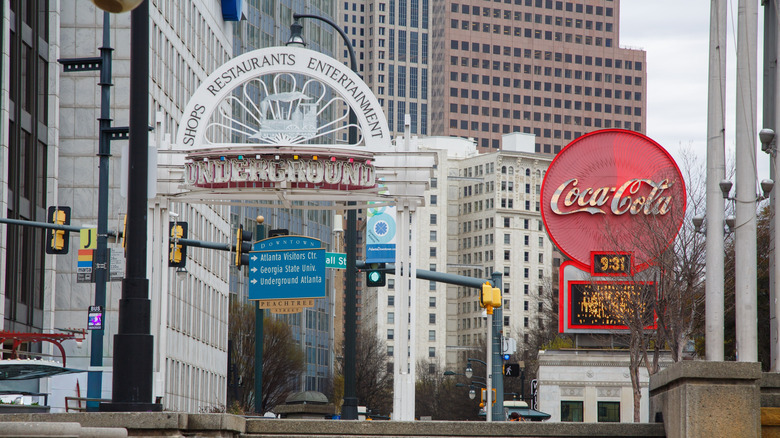
The ATL has long enjoyed a reputation as one of the country's surprisingly affordable destinations, especially during the late summer. The Atlanta Beltline, a network of trails, parks, and good food snaking through the city's heart, built in 2005, has given the city a new 22-mile artery for visitors.
Georgia's capital was blessed with below-average inflation from the outset, with prices only increasing 1.7% over the last year, and slowing to a 0.1% increase. The savings weren't always felt by travelers, though. Atlanta didn't get through unscathed. Increases in the cost of eating out hit travelers especially hard, making it one of the five cities with the most dramatic increase in the cost of travel in 2025.
Atlanta's residents, however, feel comparatively comfortable in their city. "Mostly Atlanta's advantage is the cost of living," wrote one Reddit user. "Otherwise, I think [San Francisco] is much prettier and offers a lot nearby. But it's expensive, especially if you want to live in a nice area."
Miami maintains some purchasing power
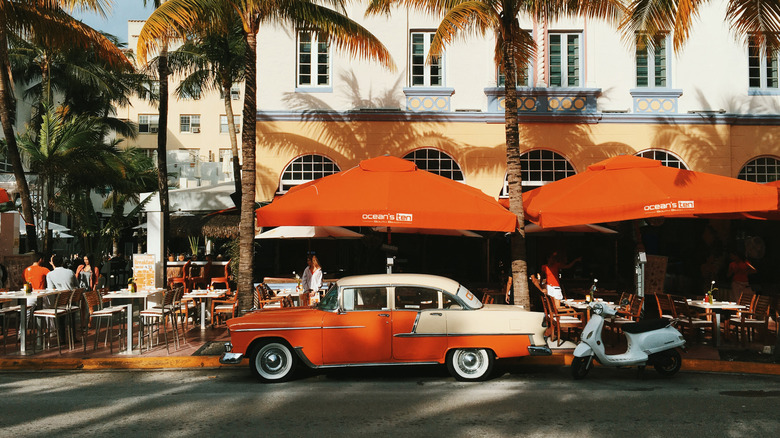
One of two Florida cities to make the top five, Miami has always enjoyed a special place in travelers' hearts. From its rank as the state's best foodie magnet to its many cultural gems, The 305 offers plenty of reasons to visit. It doesn't, however, crack the list of the state's most affordable vacation destinations. That may be changing.
Miami's rank on WalletHub's analysis reflects its recent taming of the inflation dragon. The city faced a 2.5% increase in prices over the year leading up to October 2025, yet swung into a deflationary 0.2% change, the highest rate of deflation among the 23 cities measured. The full stop on inflation coincided with the city's sudden rise to becoming one of fall 2025's most affordable destinations.
Not that travelers and online commenters agree, claiming life in Miami, or a quick visit, is a chance to get fleeced. "I have only been to Florida a few times, but coming from a 'high cost' region (New England), I was shocked at how expensive everything was," one traveler wrote on Reddit. "I thought the South was supposed to be this low-cost area. It was not." Indeed, Miami does rank a jarring 15th in Numbeo's cost-of-living rankings, well ahead of bigger names like Chicago and Denver — coincidentally, the city with the worst inflation. It serves as a vital reminder that taming price increases may be a solid win, but it doesn't make a place any cheaper.
Tampa's gentler cost curve
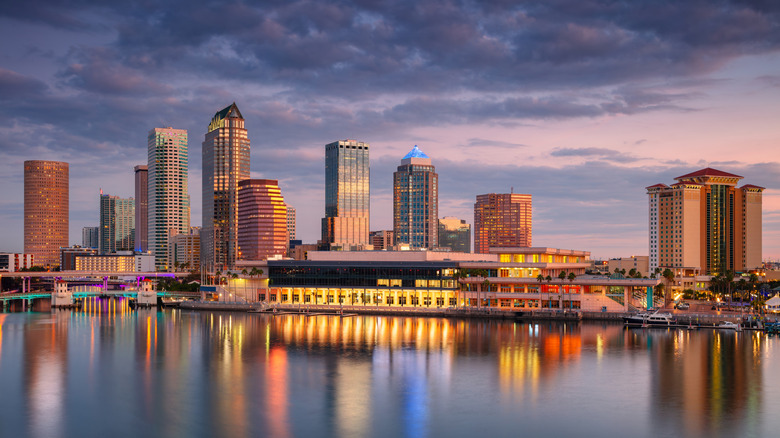
Tampa's reputation for affordability precedes it. Kayak ranked it the 2025 shoulder season's most affordable domestic destination. It's also ranked as one of the country's fastest-growing cities, yet still ranks a respectable 35th on Numbeo's cost-of-living list. But the city's rank in the top five doesn't mean it's largely avoided inflationary pressures altogether. Quite the opposite.
Tampa had among the highest rates of price increases of all the cities over the last year, but then shifted to deflation over the most recently measured month, according to WalletHub's data. It represents the single largest shift from inflation to deflation of all 23 cities measured. It's hard to pinpoint why.
The Sunshine State has enacted several measures to keep prices down, including tax reforms, tightening the state's belt, and regulatory reform. Yet locals disagree with the data. "At the end of the day, none of these statistics matter; prices remain high because inflation is still inflation on top of previous inflation," one Reddit user wrote. "As long as wages continue to not keep up with inflation at any rate, we're collectively going broke. [...] The basic equation of 'I make less and less, while stuff costs more and more' should be pretty easy to understand for everyone."
Methodology

The data in this article uses WalletHub's analysis of changes in the Consumer Price Index, a nationwide measure of inflation. The site compared data from 23 metropolitan areas measuring inflation across two time periods, gauging price trends across a three-month and one-year span ending in October 2025. It then combined the two to create a list ranking cities from worst to best.
A complementary analysis of data from the Bureau of Labor Statistics confirmed the site's findings, despite the agency facing funding challenges during the government shutdown. Data from Numbeo on cost-of-living for the cities was used to add context and balance.