
Halfway Between Milan And Rome Is Italy's Under-The-Radar City With Tuscan Charm And Medieval Architecture
Italy's Tuscany region is renowned for its photogenic hilltop towns and for being Italy's best destination for wine lovers. For all its fame and glory, Tuscany is a vast expanse, close to the same size as New Jersey, and it's got plenty of less-touristy destinations scattered among its valleys and vineyards. Pistoia is one of its best, a medieval city of tightly wound streets with 14th-century walls, lively piazzas, and a unique and explorable network of underground tunnels. Plus, it's surrounded by the beautiful, quintessentially Tuscan landscape of lush groves and is even called Italy's "capital of green" for its legacy of nursery gardening.
Pistoia has a favorable balance of being less-crowded and more authentic than bigger tourist towns while still accommodating visitors. As Tuscan blogger Invitation to Tuscany said, "Although Pistoia is often overlooked in traditional tourist itineraries for first-time visitors to Tuscany, it boasts stunning architecture and a warm, inviting atmosphere." It's a great stop to add on from Italy's main international hubs. From Rome, considered the best place to kick off a vacation in Italy, it's about a two-hour train ride, or just over 2.5 hours coming from Milan, with a transfer in Florence.
Admire the medieval buildings of Pistoia
Pistoia's founding goes back to the ancient Roman Empire, though it had a particularly significant moment in the Middle Ages, when Pistoia gained political independence. The commune had a thriving merchant class and grew prosperous starting in the 12th century. It was also during this time that Pistoia took on the Romanesque architectural distinction that still characterizes it today.
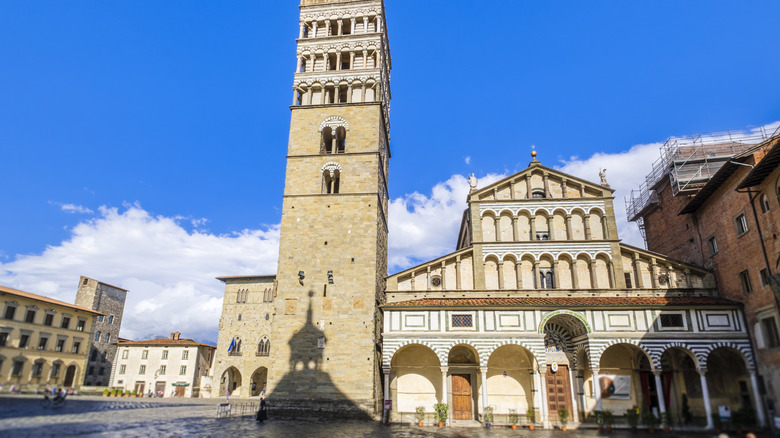
You can see some of the medieval city walls at the city's boundaries, some sections fairly well preserved with guard towers. Much of Pistoia's best medieval architecture, though, is anchored by the bell tower-guarded Piazza del Duomo. Presiding over the square is the San Zeno Cathedral, a pastiche of historical eras that built on top of one another starting in the 10th century. It dons a striped marble facade resting on pillars and a portico overlooked by a "Madonna and Child" fresco. You can freely explore inside the cathedral, where you'll find the ornate "Silver Altar."
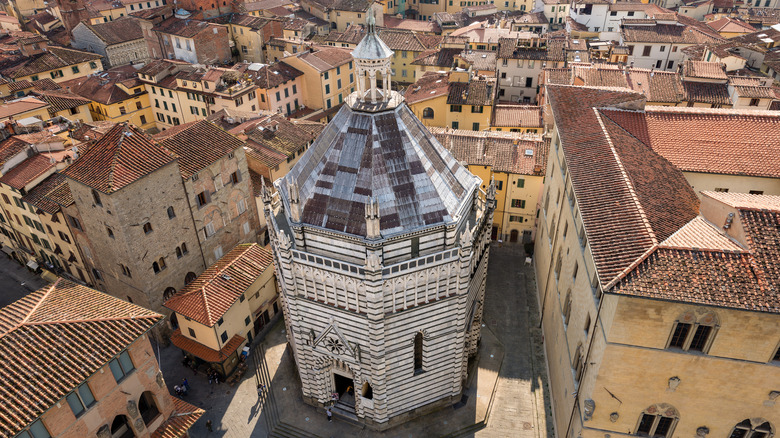
Just next to the cathedral is an interesting structure called the Battistero di San Giovanni, which Visit Pistoia refers to as "one of Pistoia's undisputed symbols." The building, constructed in the 1300s, is shaped like an octagon and is made of white and green marble, a crisp contrast to the sand-hued buildings all around it. The structure is open to the public on Fridays, Saturdays, and Sundays.
Tips for visiting Pistoia
Pistoia is a fairly condensed town and highly suited for walking. "Pistoia is a very walkable town — in fact most of the town is pedestrian only, so you don't really have a choice!" travel blog 2 Tiny Travellers shared. The bloggers noted, though, that you can rent e-bikes at the Boundless Life hub, an international co-working hub just a 15-minute walk from the Pistoia train station.
Spend some time in the piazzas to get a feel for the local life. The Piazza del Duomo is Pistoia's main square, framed not only by beautiful architecture but also by some lovely cafes and restaurants. For some authentic Tuscan food, the Locanda del Capitano del Popolo is a reputable choice with 4.5 stars from nearly 2,000 Google reviews, sitting at the edge of the square next to the Battistero. If you just want a quick coffee, the Caffè Duomo is a convenient choice — just stand at the bar to place an order, one of the unwritten rules to know before visiting Italy.
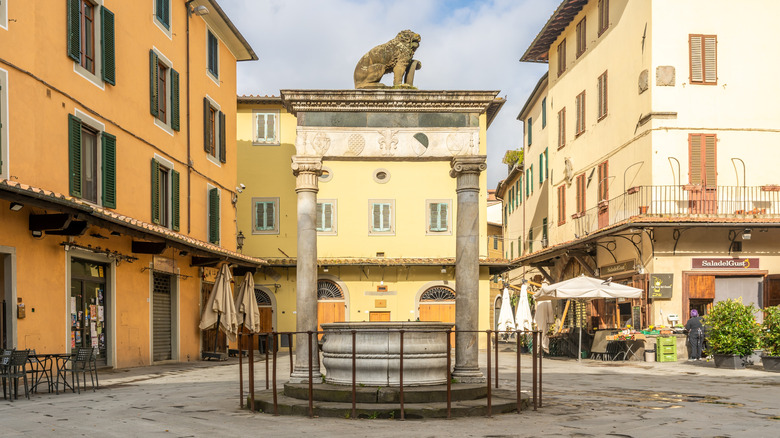
Pistoia has some other compelling squares beyond the Piazza del Duomo you should consider exploring, too. The Piazza della Sala showcases the city's ancient city center, though it's best known as being the home of the town's fruit and vegetable market. It's also a buoyant social gathering spot encircled by bars that keep the square alive after dark.