
Sandwiched Between Amsterdam And Brussels Is A Charming Village Full Of Windmills And Wildflowers
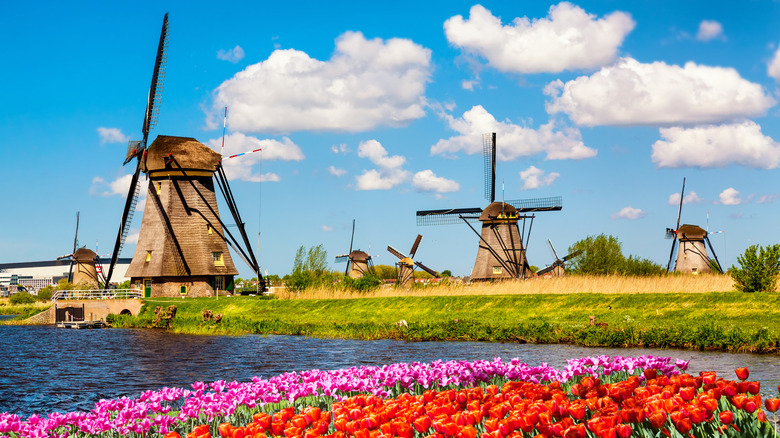
When dreaming of the Netherlands, most conjure up images of rustic windmills towering over tranquil canals on the water's edge. While this iconic portrayal has been woven into art and film for decades, it's also a realistic depiction of Dutch identity that reveals the country's unique blend of delicate history and scenic charm. One such place is the town of Kinderdijk. The vibrant village is sandwiched between Amsterdam and Brussels, with its youthful energy, artsy vibes, and endless museums.
Kinderdijk is a year-round destination for those looking to experience the region's history and natural beauty. Its diverse settings range from windmills and wildflowers in the spring to the lush greenery of summer, autumn's warm hues, and frozen winter wonderlands where locals can skate on the canals after winter storms roll through.
A little over an hour's drive from Amsterdam and under two from Brussels in neighboring Belgium — both with international hub airports — travelers have plenty of options when it comes to getting to Kinderdijk. Or try arriving in a more thrilling way: by water shuttle from the nearby city of Rotterdam. From Friday through Sunday, a direct route whisks guests directly to the village. Alternatively, during the week, a smaller water bus allows visitors to travel to Kinderdijk via Ridderkerk and the Driehoeksveer ferry or by venturing to Alblasserdam and riding a bicycle the rest of the way to the village (a 15-minute ride).
Windmills and flowers in Kinderdijk
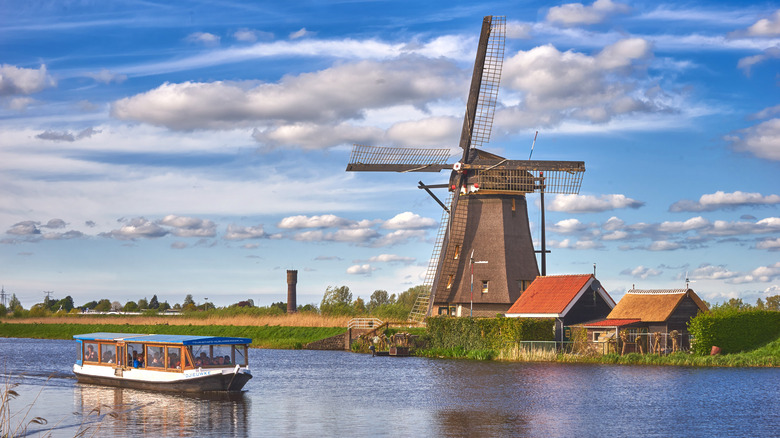
There are a lot of captivating towns near Amsterdam, from the idyllic, car-free 'Venice of the Netherlands' to a fairytale village that is a hidden coastal dream with seafood and old-school architecture. But few compare to Kinderdijk. The welcoming village is a throwback, with a well-preserved village center. It's quaint, with only 700 inhabitants, but visitors can head to Grand Café De Klok for a cup of coffee, beer, cozy meal, or to rent bicycles. However, the main attraction is the 18th-century windmills that dot the landscape, their reflections shimmering in the canals below a brilliant blue sky.
After a devastating flood in 1421, the land was transformed from a wetland bog to an intricate water management system that keeps the low-lying land dry despite the fact that it rests mostly below sea level. Now home to a UNESCO World Heritage Site, Kinderdijk is a functioning mill network with 19 beautiful windmills, pumping stations, dikes, and reservoirs. The innovative complex is recognized for its revolutionary hydraulic and water handling systems. As sea levels around the planet continue to rise, these processes may be more important than ever.
See the windmills from walking paths, cycling routes, and boat cruises. One of the most beautiful times to visit is in the spring, when marsh flowers, water lilies, and Dutch meadow flowers like daisies and buttercups bloom. Or visit the nearby Keukenhof gardens, south of Amsterdam, to see rows of tulips, daffodils, and hyacinths.
A lineup of historic attractions
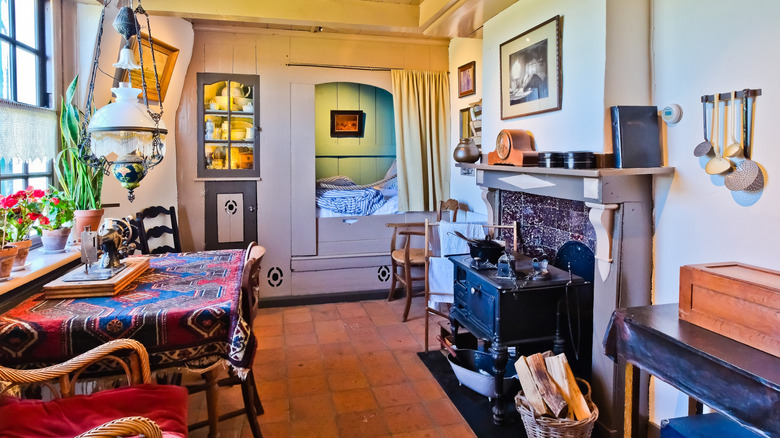
Whether surrounded by flowers or ice, the historic Kinderdijk windmills are a sight to behold. But there is more to do than traverse the polder landscape. At the Nederwaard Museum Mill, step inside a windmill built in 1738 to travel back while viewing black-and-white photos that showcase Kinderdijk's history. Once home to the Hoek family, this museum offers a glimpse of the mill's intricate workings, from the creaks of the mechanisms to the views from above as the blades twirl, as well as the charming, intimate living areas that the millers called home.
The Blokweer Museum Mill is housed in the millyard's oldest structure, dating back to 1630. With hollow-post construction and a scoop wheel, it's a different experience from visiting Nederwaard. The moments showcased within are from more modern times, highlighting what life was like for millers in the 1950s. Spot goats, a small vegetable garden, and more in the yard.
The experience doesn't end there. Wisboom Pumping Station offers a look at the history of water management in the area, and secondary pumping station De Fabriek screens an immersive film, while a floating exhibition can be found aboard the Alles Heeft een Tijd, a 1914 barge. Alternatively, visit the Bird Theater to learn about local fauna or shop for souvenirs at the on-site boutique. Travelers can extend their visit with an overnight stay at Bed & Breakfast Molenblick and breakfast at traditional Dutch bakery Ons Dagelijks Brood the next morning.