
Indiana's Deepest Natural Lake Is A Crystal-Clear Midwest Gem For Kayaking And Fishing
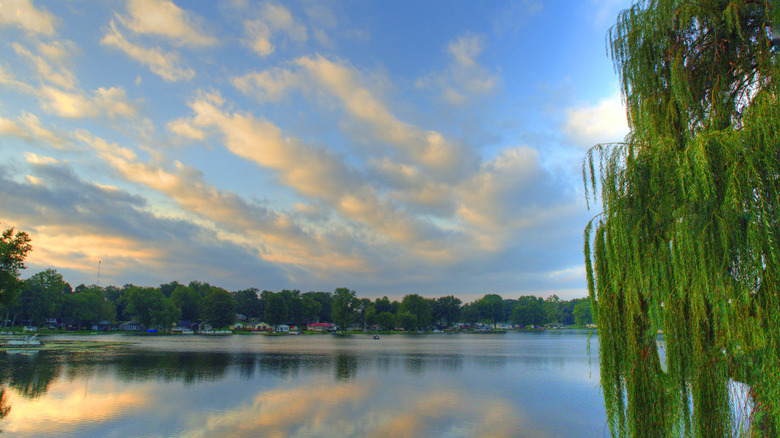
While Indiana doesn't usually top the list of travel destinations in the US, this Midwestern state still has plenty to offer. From this secret oasis with rock pillars and scenic hiking trails, to beautiful islands with sun-drenched shores, there is more to see and do in Indiana than many realize, and one destination to consider is Tippecanoe Lake. Situated about halfway between Fort Wayne and South Bend, this 851-acre freshwater lake is also the state's deepest, reaching depths of over 120 feet. It's one of Indiana's great outdoor gems and a place where many Hoosiers head for recreation.
This glacial lake draws visitors for both its natural beauty and opportunities to soak up nature. Known for its clear waters, Tippecanoe Lake is popular with swimmers, water sports enthusiasts, and boaters, especially on muggy Midwestern summer days. However, it also draws two other kinds of nature-lovers: paddlers and anglers. Tippecanoe Lake and the waterways around it are prime kayaking territory. The lake is also home to large numbers of prized game fish that bite year round, making it an important destination for fishers.
Paddle along the glassy waters of Tippecanoe Lake
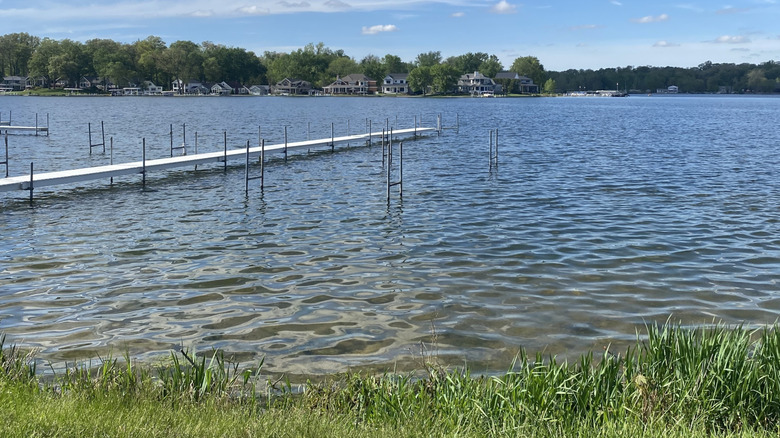
Tippecanoe Lake is part of what is known as the Barbee Chain of Lakes. These seven interconnected glacial lakes form a whole system that is explored by many kayakers in Indiana due to the tranquil waters, wildlife watching opportunities, and serene natural ambiance. The lake is also connected to Tippecanoe River, which runs for roughly 200 miles and flows into the Wabash River.
While the shores and inlets of Tippecanoe Lake are nice for gliding by on a kayak, perhaps the best spot for paddle-driven exploration is Grassy Creek, on the lake's southeastern shore. This placid stream connects Tippecanoe Lake with several of the other lakes in the Barbee Chain, and meanders through dense greenery on the edge of the Edmund & Virginia Ball Nature Preserve. While you're there, keep your eyes peeled for local fauna such as foxes, turtles, and deer, as well as waterfowl, sandhill cranes, herons, and bald eagles.
Kayaking at Tippecanoe Lake and the others in the system requires a permit. The cost is just $5 annually for non-motorized vessels, and you can purchase one in person at Indiana Department of Natural Resources (DNR) offices, or online at Mother Nature's Mercantile. Kayakers can use the permit to access lakes and waterways managed by the Indiana DNR for the rest of the year.
Cast a line at Tippecanoe Lake
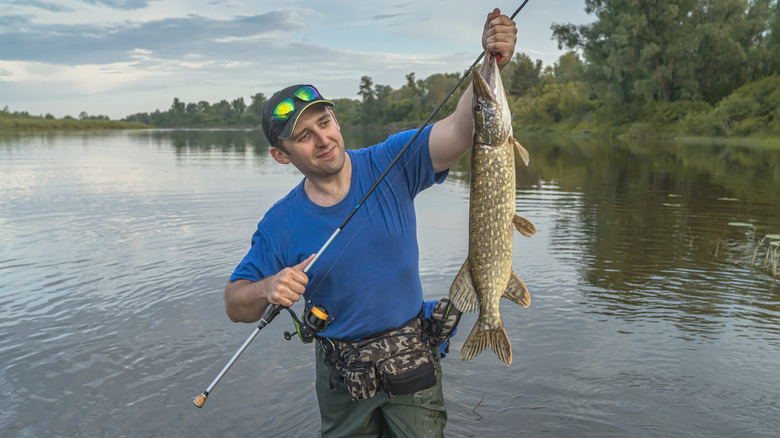
With around 24 recorded fish species calling its waters home, Tippecanoe Lake is a haven for anglers. Varieties of fish include walleye, northern pike, largemouth and smallmouth bass, crappie, bluegill, perch, and muskie. For muskies — which can grow to more than 40 pounds in size — large lures tend to work best since these lunkers don't often bother with small fish. Walleye hit smaller lures, while fishing the coves and weeds near the shore may be most productive for bass and other species, especially in early mornings and evening time.
Tippecanoe Lake also offers great ice fishing in the winter, though given its depth, it's one of the last lakes in the area to safely freeze over. While public access is limited, it also keeps the pressure down, which means there are more fish to catch. The best way to find them is to find the green weeds, where fish — especially bluegill and crappie — tend to congregate. Buffalo fish are also abundant in the greater Tippecanoe River — in fact, the word "tippecanoe" means "place of the buffalo fish" in the Miami Native American language. For more angling opportunities, head an hour west to Koontz Lake, Indiana's charming community with a scenic lake for fishing.