
How To Avoid Looking Like A Tourist In Paris, According To Locals
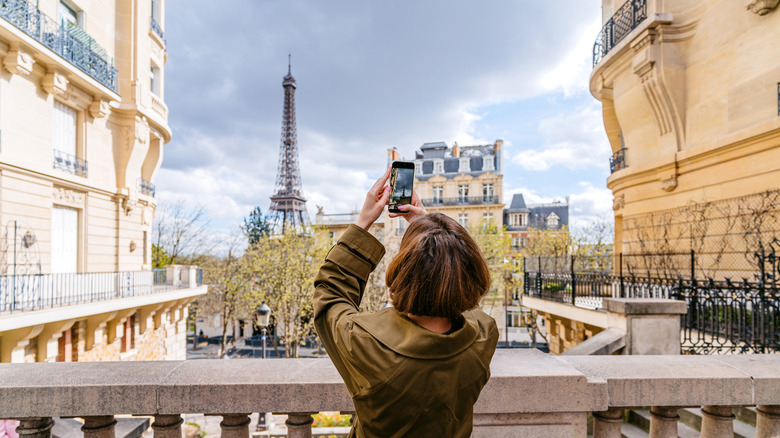
In Paris, the line between being an "outsider" and a "temporary local" is drawn with a sharp silhouette and a polite "Bonjour." Sure, it's difficult to avoid a tourist tag when waiting in long lines for overpriced macarons or taking selfies in front of the Eiffel Tower, but for the rest of your trip, ditch the beret and oversized backpack to avoid being outed so easily.
Even if you fly the tourist flag with pride, it helps to adopt a few non-touristy behaviors so you can be a better guest in the French capital. Staying hip to the dress code and avoiding the obvious tourist attractions are just a few of the ways to blend in with the local crowd. There are also several behaviors to consider that can make a person stand out. These are especially important to know, as tourists' actions often annoy residents.
To help you avoid looking like a full-blown tourist in France, we looked at online blogs from experienced travelers and comments from Parisian locals about what to do and say to blend more seamlessly into the City of Light. The following are some of the looks, behaviors, and attitudes that you can adopt to fit in better with the local population. Ultimately, it might be difficult to hide your tourist status completely, but there is a more important goal to pursue: Strive to be a good tourist.
Wear neutral tones for a timeless look
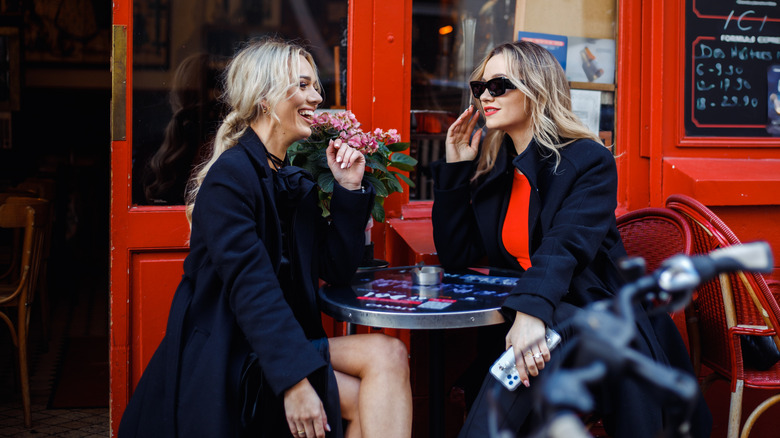
If tourists are to follow by example, then they should pack darker clothes without lots of color when visiting Paris. According to a Reddit user on r/ParisTravelGuide, "The Parisian women were all in black or very dark colors — it was like being in NYC." While looking like a tourist is not necessarily a bad thing, darker clothes are a simple style choice to fit in better with the local aesthetic. The user adds, "I have to say, they look very elegant."
This isn't to say the French never wear any color, but don't expect over-the-top hues of neon. Instead, locals follow a more timeless look, which includes avoiding colors that quickly go in and out of fashion trends. While winter is the perfect time for darker shades of grey, black, and tan, for the warmer months, the blogs My Private Paris recommends neutral tones and soft pastels. And a more muted color palette certainly doesn't mean your outfits have to be bland, just that they shouldn't be tasteless — after all, you're in a city renowned for its fashion scene.
Lean into the French style and out of the American
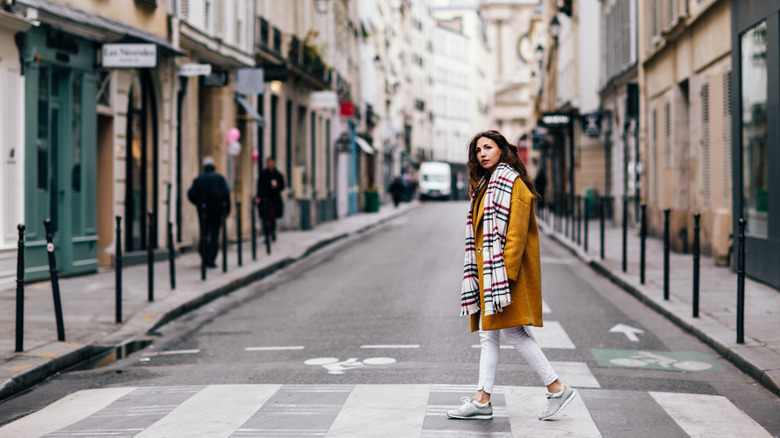
Along with the color of your clothes, you'll want to consider what items you're packing. In 2022, a fashion critic at the New York Times surveyed locals about American tourist stereotypes, and one thing to avoid was "anything too 'Emily in Paris.'" The Netflix show is criticized for its stereotypical depictions of French culture, and locals recommend avoiding clothing and accessories that are too loud or styles that appear to be trying too hard — think Emily's exaggerated hairdos, excessive makeup, and gaudy accessories.
In the same NYT article, locals claim the fashion item that most commonly sounds the American tourist alarm is leggings (or any kind of workout clothes worn outside the gym, for that matter). Instead, fill your suitcase with clothing that can be found in any French person's closet. Pack a trench coat, long skirts, white shirts for layering, a black blazer, and casual sneakers or flats. If you're surprised by the last recommendation, take note that Paris has many car-free zones to increase foot traffic, so you'll want to bring comfortable shoes. As for accessories, go with just one (be it a scarf, big earrings, or a wide belt), and never wear more than one item with an obvious fashion logo.
Take public transportation in Paris
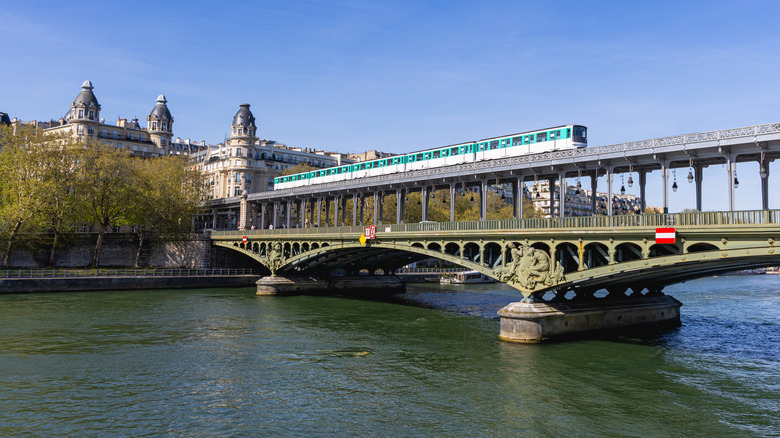
A case can be made that tourists should completely avoid taxis in Paris. Shady drivers and scams are one reason to embrace public transit, as long as you don't make the common and pricey mistake of throwing away your paper ticket. But another more important reason for forgoing taxis is to experience the city like a Parisian, since this is how most people get around town.
Acting like a local doesn't always mean you look like a local, and there are a few ways to be less touristy on the Paris Metro. Maintain your indoor voice in the subway, even if it's crowded. Similar to fashion, you don't want your volume to be too loud, and this goes for restaurants as well. On a Quora forum, a Paris resident says, "Parisians typically value a quieter, more respectful atmosphere in public spaces. It's best to keep conversations at a low volume to avoid disturbing others."
In general, Parisians feel safe on public transport, even late at night. But rocking a gold chain on Line Four can make you look like both a tourist and a target for pickpockets, especially during rush hour when the train cars are crowded. Locals avoid metro thieves pretty easily by simply holding onto their belongings and storing away any valuables. Instead of putting your phone in your pocket, keep it tucked away in your purse or bag.
Just chill out
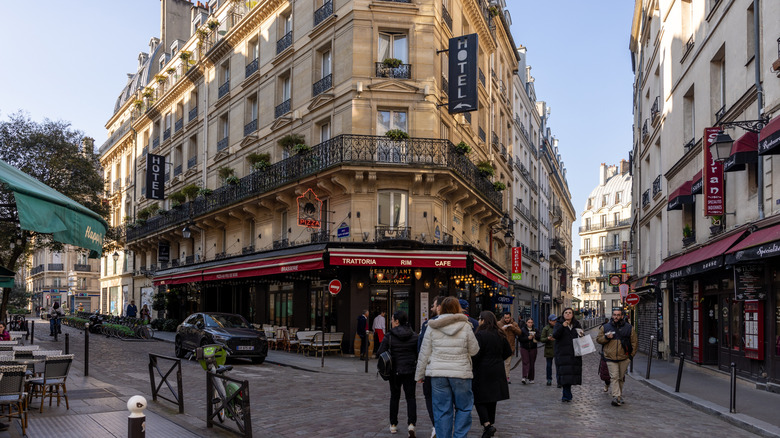
Finally, to act like a true local, start by mastering the art of flâner. A flâneur, a noun coined by 19th-century poet Charles Baudelaire, refers to a person who walks through the city without a purpose or destination in mind, simply observing the moment. This no-rush attitude represents the best way to experience the local culture and atmosphere in Paris.
Being a flâneur or flâneuse (for a woman) means soaking in the present rather than rushing to check a bunch of bucket-list boxes. For example, treat your morning coffee as a ritual, not a quick caffeine fix before visiting four churches and three museums in a single day. The same goes for restaurants, as locals enjoy slower-paced meals rather than rushing through plates to make your timed entry for the Louvre. The idea of flâneur suggests that if you always seem like you're in a hurry, you'll lack the cool calm that many French locals often possess. Plus, it helps reduce the stress that many tourists experience when trying to do too much in a short period of time.