
5 Of The Safest Countries To Travel In Europe This Year, According To A New Study
In addition to fun, safety should be a priority for travelers when planning a trip, and one company has made it easier for globetrotters to find the safest destinations. An annual study conducted by Berkshire Hathaway Travel Protection collects data from American tourists by asking them questions related to their safety while traveling the world. The company also sources safety-risk indexes such as GeoSure Global, Numbeo's safety index, and the Global Peace Index to paint a clear picture of how safe countries truly feel to visitors. The results for 2026 were reassuring, with most of the same destinations claiming the top spots two years in a row. But what actually makes these countries safe?
Today's travelers aren't just questioning if a place is safe — they're asking in what ways is it safe. What are the crime rates? How common is pickpocketing? Is it safe and legal to be LGBTQ+? Are there laws against gender-based street harassment? Do visitors from diverse racial and cultural backgrounds genuinely feel welcome? While the 2026 study includes countries from all around the world — and breaks down safety into different categories, such as safety from violent crime and transportation safety — we specifically highlighted the top five European nations on the list that stand out for their commitment to making travelers feel secure, respected, and at ease from the moment they arrive. We also carried out our own investigation into the safety status of each country, and included the methodology behind our research at the end of this article.
The Netherlands
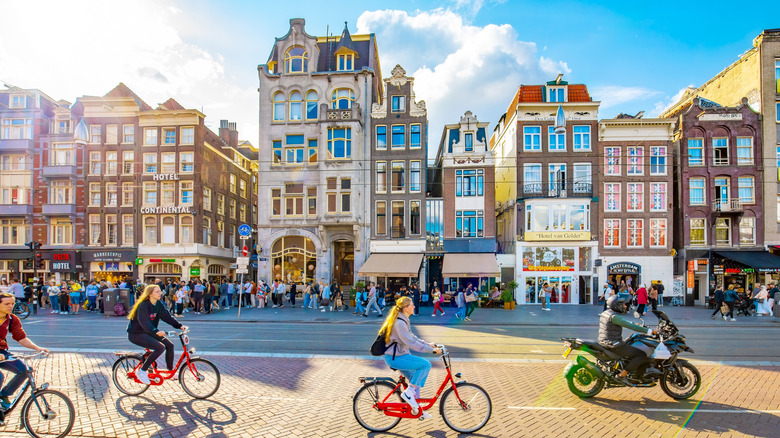
Located in northwestern Europe, the Netherlands claimed the No. 1 spot in the study as the overall safest country in the world in 2026, a testament to how travelers perceive its security and inclusivity. The nation maintains a low violent-crime rate, though it's still advised to be mindful of theft and pickpocketing in busy urban centers like Amsterdam and Rotterdam, particularly around transport hubs and tourist sights. In terms of traffic safety, the country is one of the best cycling destinations in Europe for bike-lovers, so tourists generally feel safe exploring Dutch towns and cities on two wheels.
On the topic of street safety, the Netherlands made strides against gender-based discrimination in 2024 by criminalizing sexual harassment in public and promoting a Safe Cities program to ensure Dutch public spaces are safer for women. As for inclusivity, the Netherlands is one of the safest European countries for LGBTQ+ couples. As the first country in the world to legalize same-sex marriage in 2001, along with its longstanding laws protecting the Queer community, the Netherlands is a place where LGBTQ+ travelers can feel legally protected and socially accepted while visiting. Public visibility, inclusive spaces, widespread social support, and ample gay bars in major Dutch cities further reinforce the country's reputation as a welcoming destination.
The Netherlands is also one of Europe's most multicultural countries, with 1.5 million expats contributing to the population as of 2024. Major cities are especially diverse, with residents representing dozens of nationalities and cultural backgrounds. This diversity is reflected in daily life — from international cuisine to festivals — creating a cosmopolitan atmosphere that global visitors may find welcoming while traveling here.
Austria
Austria appeared in the Berkshire Hathaway Travel Protection study for the first time in 2026 and came in third place out of all the countries in the world, ranking as the second-safest European nation. Besides its majestic Alps and historic cities, tourists seems to also favor this country for its security and peacefulness.
Official safety advisors describe the country as having minimal violent crime and excellent public safety infrastructure. The United States Overseas Security Advisory Council classified Austria and its capital of Vienna as a "low-threat location" and maintained that any theft or pickpocketing in busy urban areas was "overwhelmingly non-violent and seldom involved weapons." Since 2005, the nation has enforced strict anti-discrimination laws protecting people from harassment based on ethnicity, religion, disability, gender, and sexuality, which contributes to an environment where tourists can feel comfortable and secure roaming city streets and riding public transport. In a 2025 Facebook post from a Vienna Travel Tips public group, one anonymous participant inquired about the city's safety status for women traveling alone. Several women who had traveled solo around the City of Music replied to the post attesting to feeling comfortable walking around unaccompanied — even at night — but still issued words of advice to stay vigilant.
In terms of inclusivity, an important part of researching a new destination for LGBTQ+ travelers is checking if the country has discrimination laws or if same-sex marriage is legal or not; these answers will say a lot about potential safety. Luckily for Queer visitors, Austria ruled in favor of marriage equality in 2017, meaning LGBTQ+ travelers can feel a level of protection as soon as they pass through customs.
Iceland
Iceland came fourth in the study of safest countries worldwide in 2026 and ranks as the third-safest European country — and it also claimed the No. 1 spot in the overall study the previous year. This European nation's consistent presence near the top of travel safety indexes isn't by accident; it's long been ranked as one of the world's most peaceful countries thanks to political stability, cultural inclusiveness, and low crime.
Violent crimes are minimal, and murder rates are extremely low in a population of fewer than 400,000. On the streets of Reykjavík and in rural villages, visitors report feeling comfortable exploring late into the evening. When one Reddit user asked if women in Iceland were afraid to walk alone after dark, the general consensus was that most women do feel safe at night, especially in urban areas, though some extended a degree of caution in quiet neighborhoods during late hours. Furthermore, Iceland participates in the global Gender-Responsive Policing network, reinforcing its commitment to inclusive and sensitive policing practices.
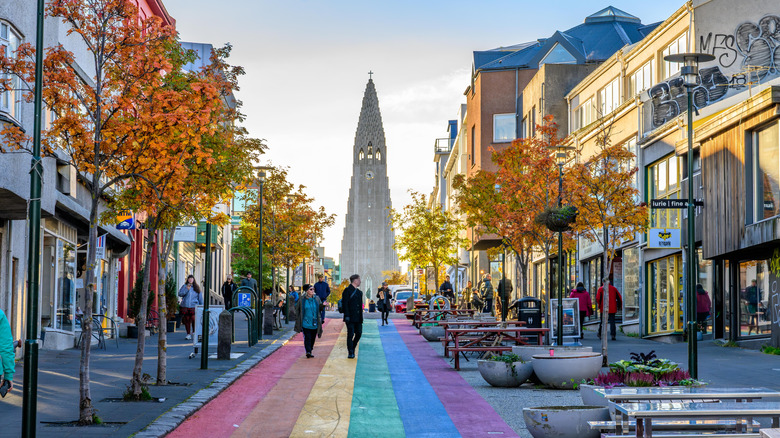
In terms of nightlife, Reykjavík implements the Safe Entertainment Venues project with the police, fire services, travel associations, and the city to ensure a safe late-night scene that protects against harassment and violence. Additionally, safety for LGBTQ+ travelers is reinforced by Iceland's welcoming environment. Reykjavík's iconic Rainbow Street has been designed to celebrate the country's Queer community, fostering visibility, pride, and open arms for both locals and visitors. Moreover, marriage equality has been in place in Iceland since 2010, and laws protecting gender identity and expression ensure that respect and security are embedded in everyday life.
Switzerland
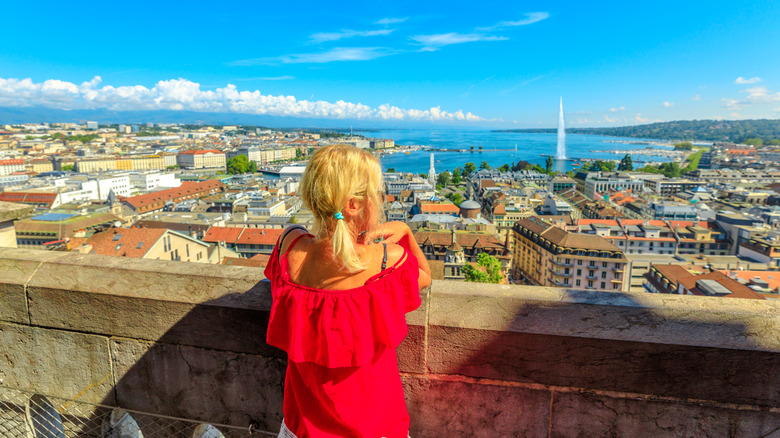
Switzerland comes in at eighth place on the global study and ranks as the fourth-safest European country. As of this writing, the U.S. State Department marks Switzerland as "Level 1 – Exercise normal precautions," noting that the country is "generally a safe destination for travelers." The U.S. Overseas Security Advisory Council, however, warns that Zurich, Basel, and Geneva have slightly higher crime rates with more petty offenses, such as pickpocketing and theft, in comparison to smaller urban centers like Bern.
Switzerland also consistently ranks among the world's safest nations on international indexes like the Global Peace Index and Numbeo Crime Index, and violent crimes like homicides remain low by European standards at roughly one murder per 100,000 people. In one Reddit thread, a female traveler who asked about exploring Switzerland solo was met with generally positive feedback about the country's safety. While most still encouraged her to exercise caution, they also had shared they personally felt safe while navigating the country alone.
Switzerland's major cities can be traffic heavy, which is another safety factor the country has taken into consideration. Zurich has experimented with an "airbag tram" that deploys upon contact with pedestrians and cyclists, further demonstrating the country's rigorous commitment to safety. Safety on Switzerland's streets continues with laws prohibiting discrimination based on race, ethnicity, and nationality — protections that help foster a society where global visitors can feel welcome. LGBTQ+ travelers can also feel safe knowing the country voted in favor of the "Marriage for all" act in 2021.
Ireland
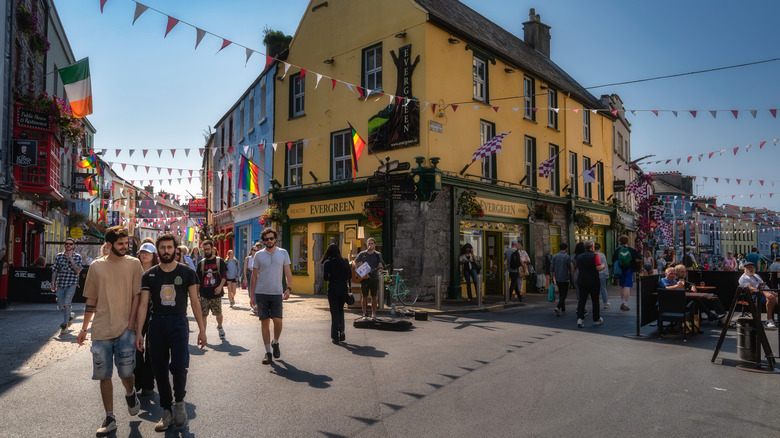
Rounding out this European quintet is Ireland, which came in at No. 10 in the study of safest countries in the world to visit in 2026, and ranked as the fifth-safest European nation. Rick Steves once called Ireland one of his favorite destinations in Europe because of the friendly locals, possibly contributing to the sense of security visitors experience.
In terms of the country's safety, violent crimes like murder and manslaughter remain low in Ireland. Petty theft can occur in crowded areas, but such incidents are infrequent compared to larger metropolises elsewhere in Europe. On the streets, local politicians have pushed to criminalize gender-based street harassment, or "catcalling," to prioritize everyday safety and dignity in public. For a country that benefits significantly from tourism, such measures are crucial for making sure Ireland remains a top choice for vacationers. Moreover, a Visibility Policing Plan implemented by An Garda Síochána (Ireland's police force) in Dublin saw a decrease in theft, assaults, and the obstruction of peace since patrolling measures were enforced.
From an inclusive perspective, Ireland has made notable strides. On Reddit, LGBTQ+ travelers generally report feeling safe across much of the country, even in rural areas. In 2015, Ireland made history by becoming the first country in the world to legalize marriage equality by popular referendum, demonstrating the broad public support for LGBTQ+ travelers among Irish locals. Additionally, Ireland prides itself on its multiculturalism, welcoming a growing diaspora of immigrants from around the world.
Methodology

The Berkshire Hathaway Travel Protection study identified 15 of the safest countries worldwide in 2026, and we've highlighted the top five European destinations from that list for readers seeking secure travel across the continent. After combing through the study's data, we further analyzed each European country's safety status by examining safety indexes; government data; firsthand traveler accounts from social media and online forums; and each nation's laws on crime, protection, and anti-discrimination. Our research included a nuanced perspective on crime, inclusivity, and traveler well-being, ensuring an accurate presentation on why each country earned its ranking.